19,059 people live in Pacific Heights, where the median age is 39 and the average individual income is $164,116. Data provided by the U.S. Census Bureau.
Total Population
Median Age
Population Density Population Density This is the number of people per square mile in a neighborhood.
Average individual Income
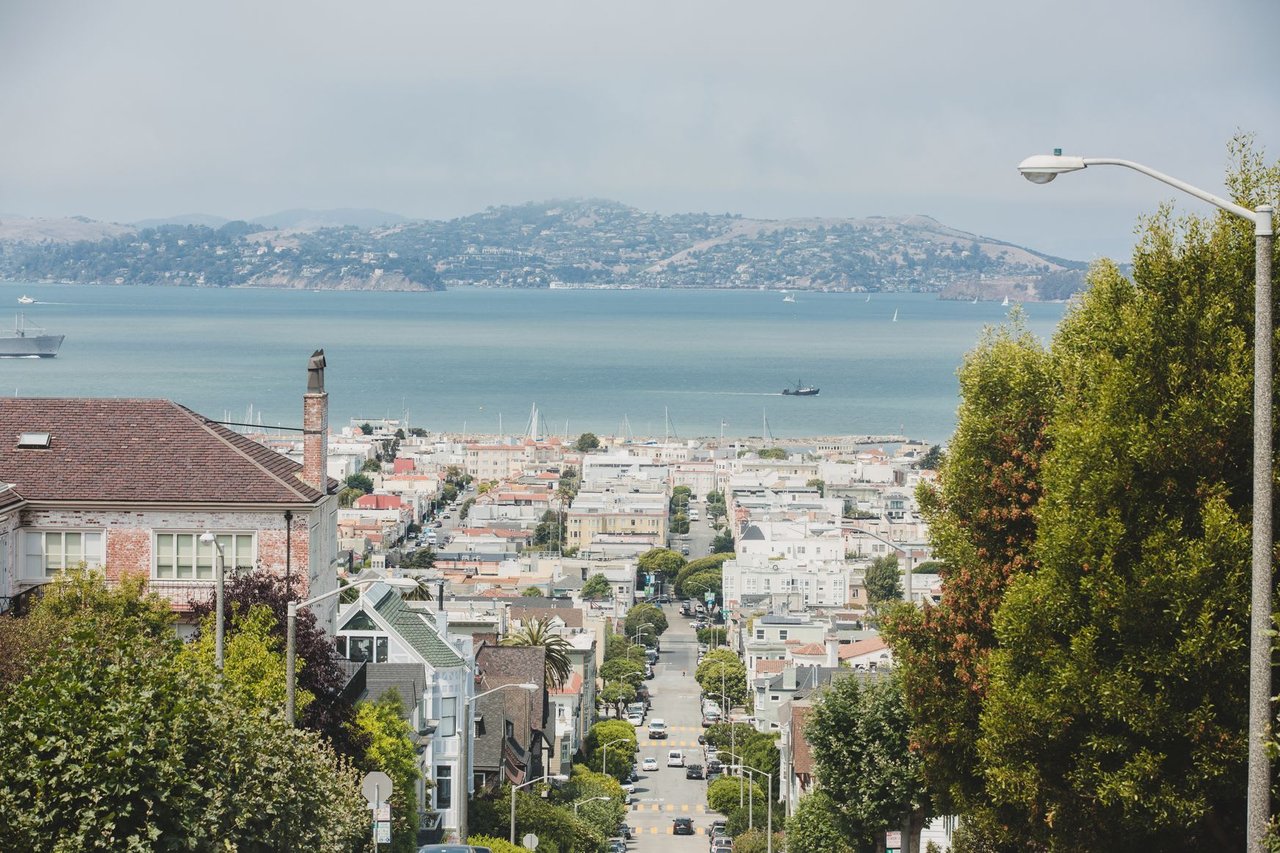
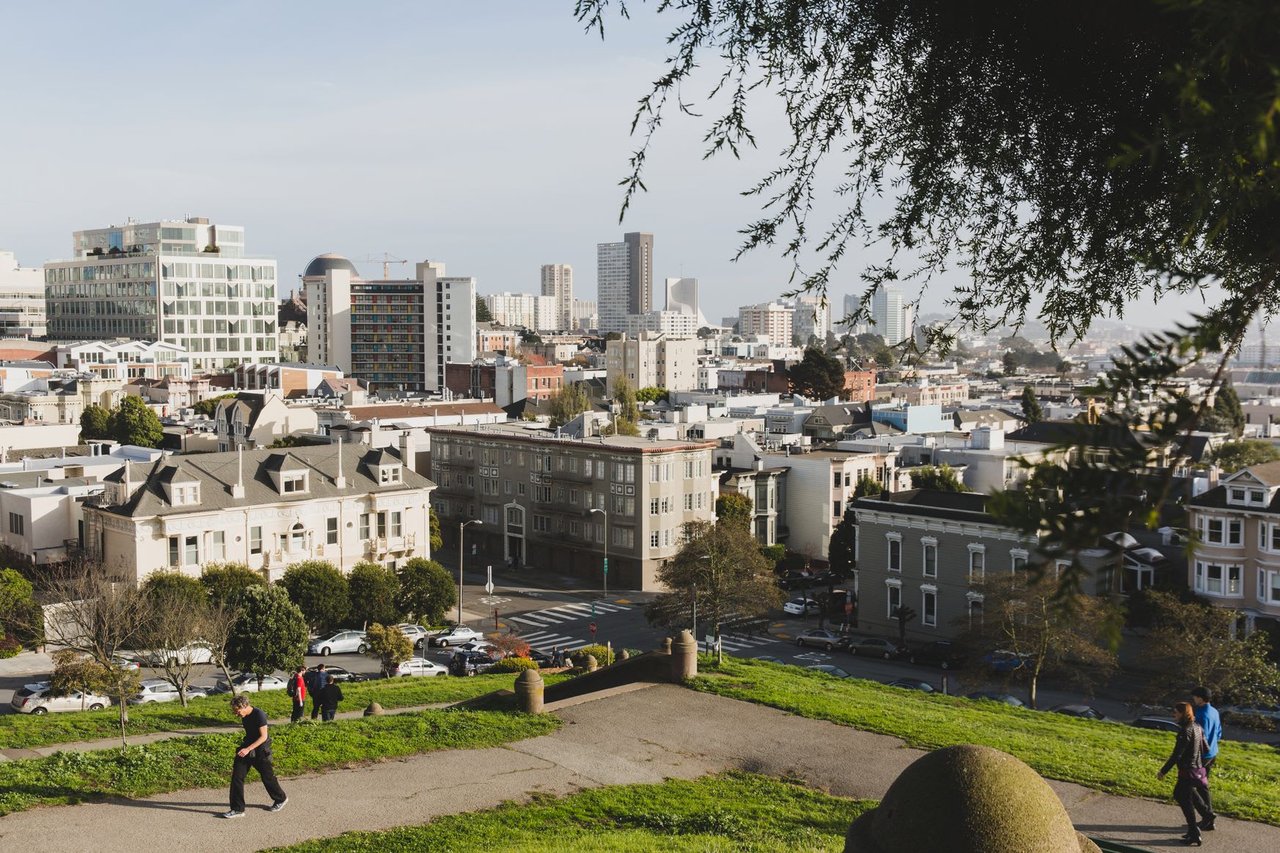
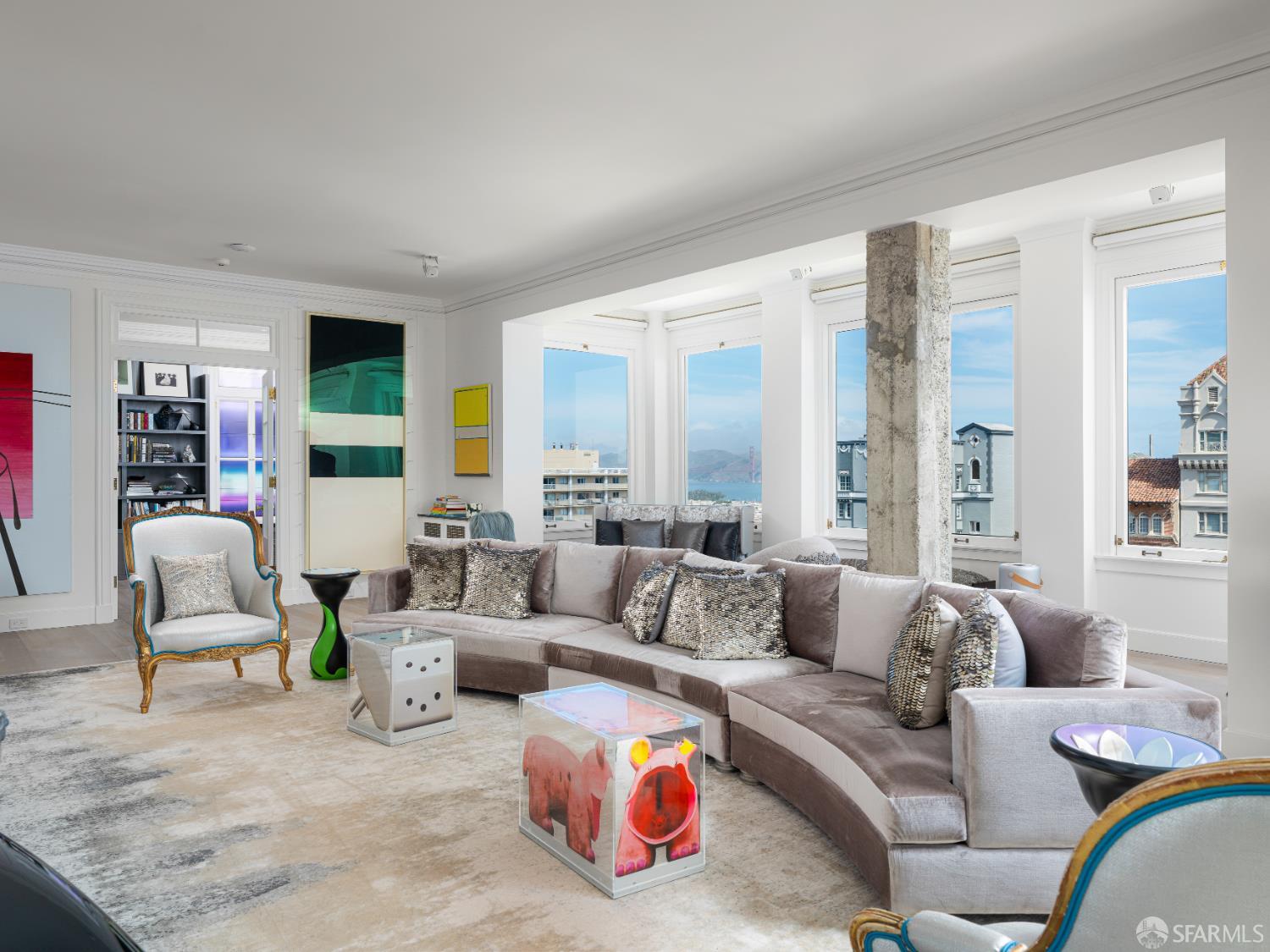
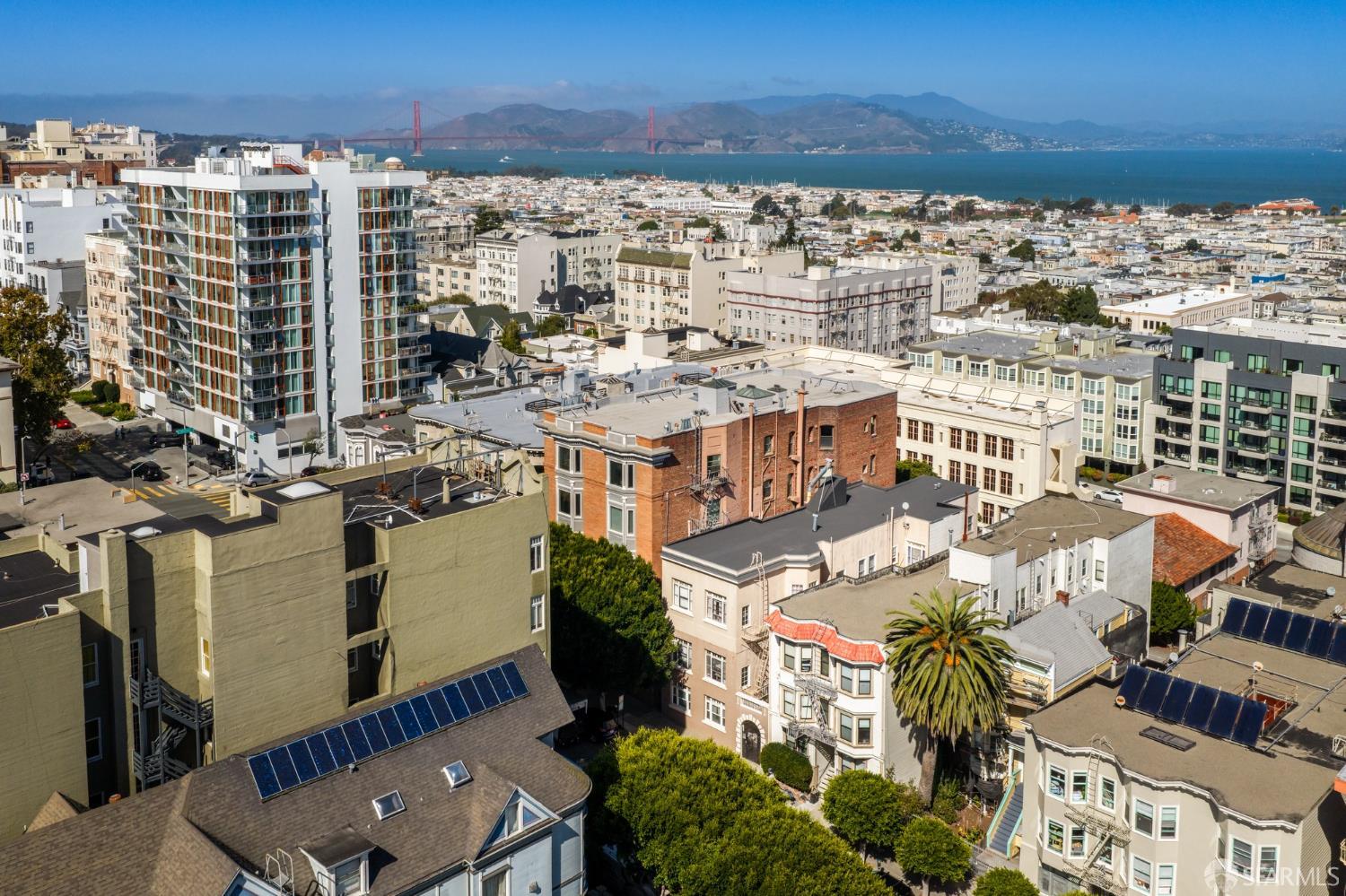
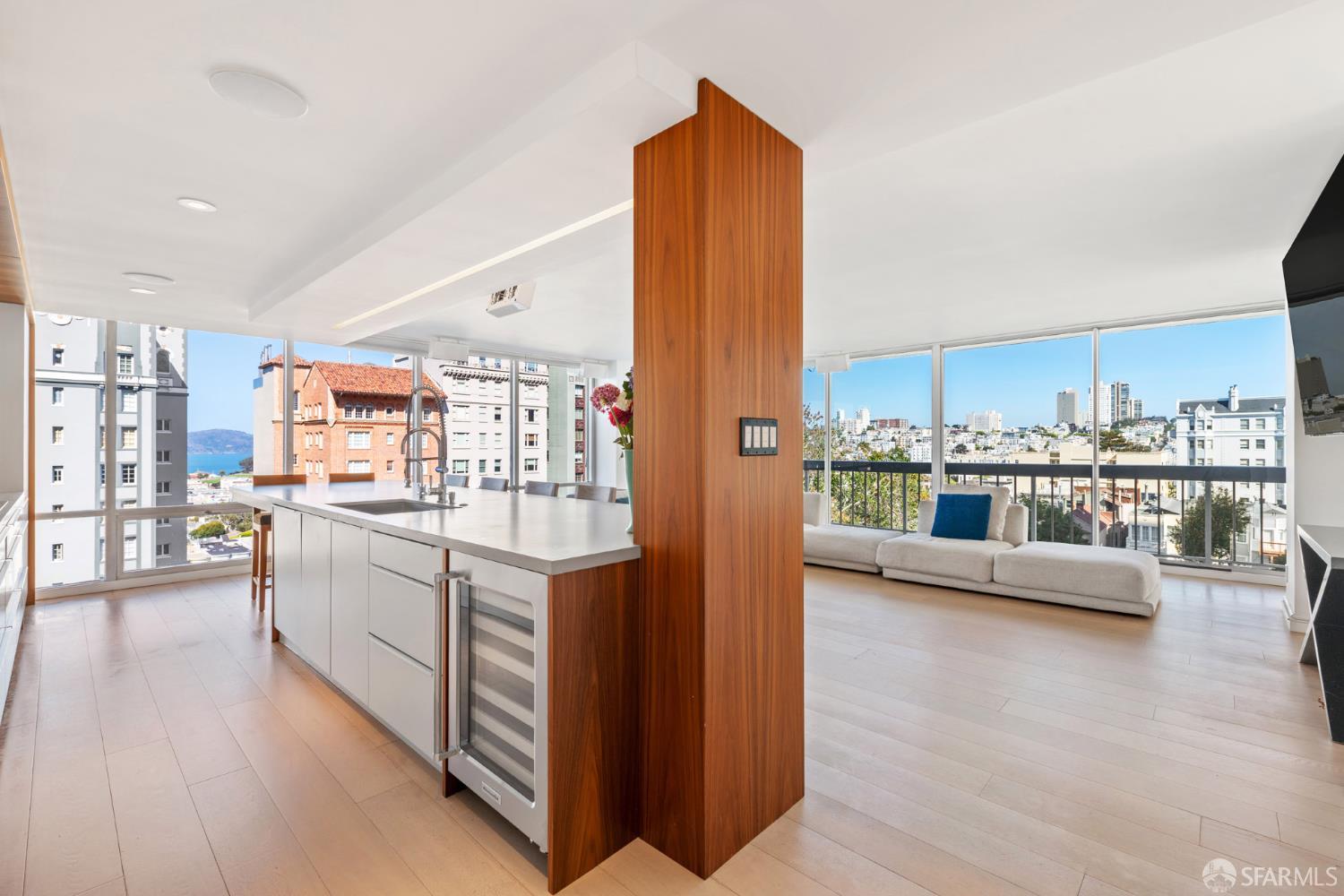
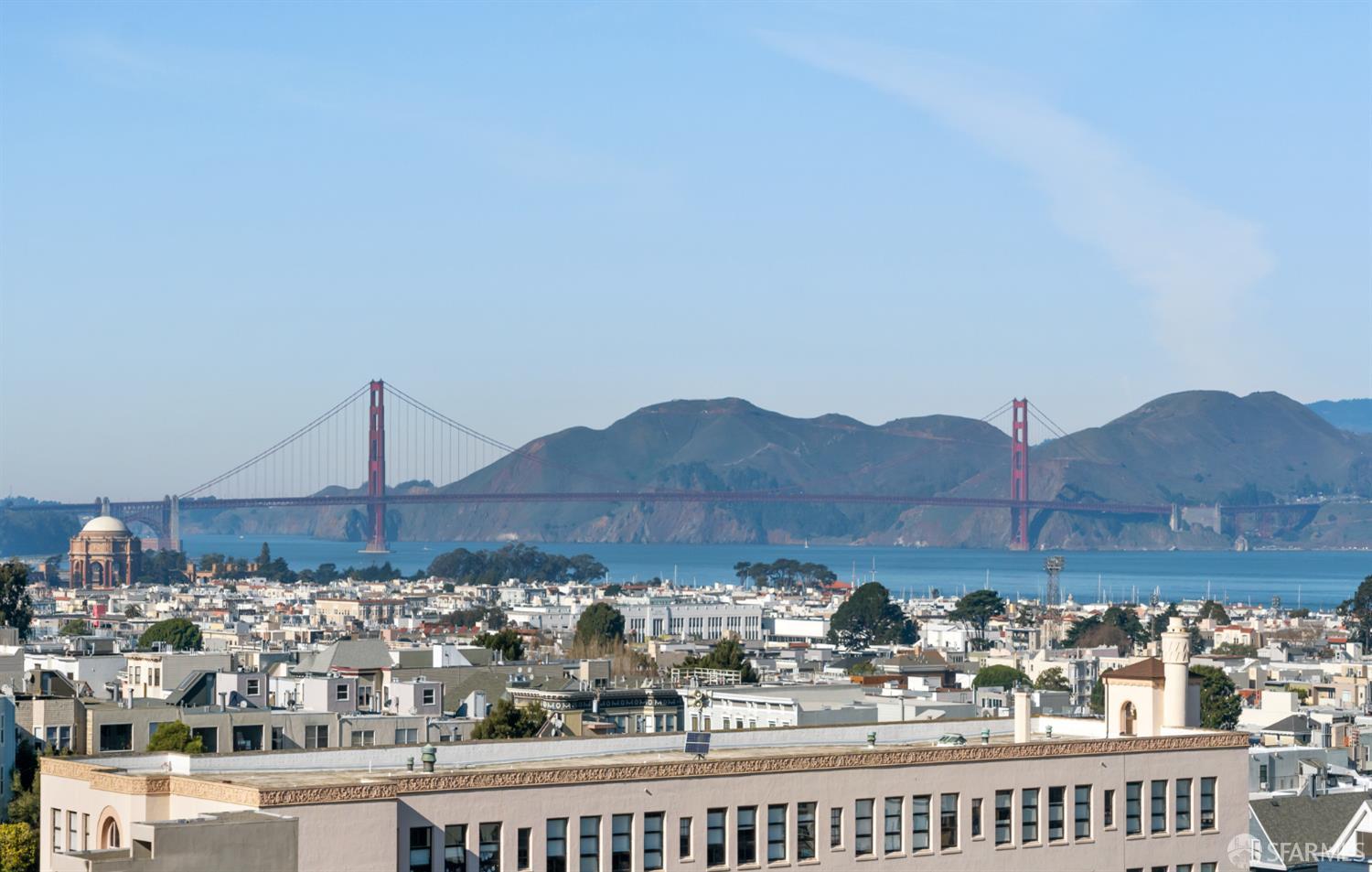
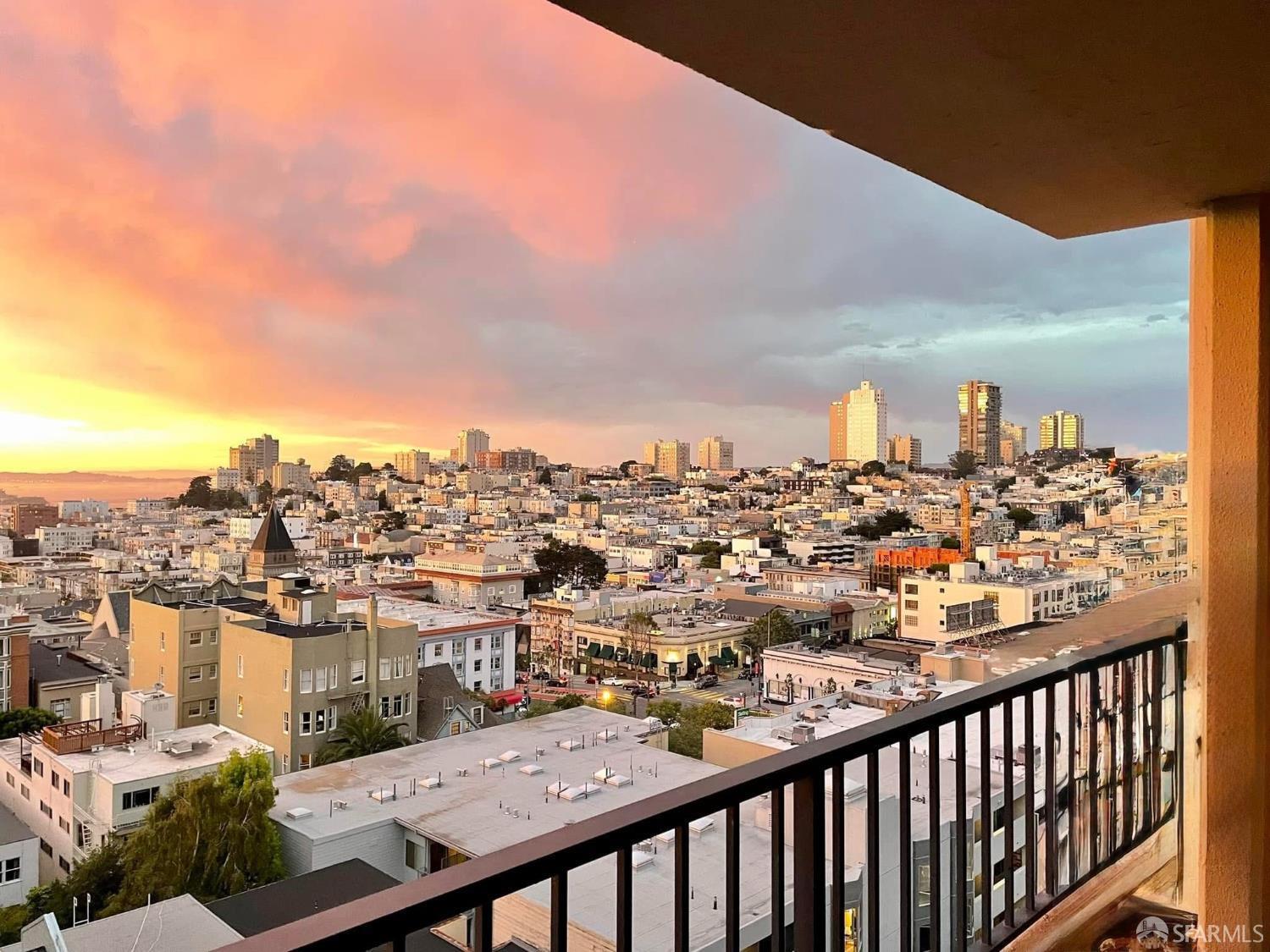
Pacific Heights is the address San Francisco measures other neighborhoods against. Sitting high on a northern ridge, it pairs panoramic views of the Golden Gate Bridge, Alcatraz, and the Bay with a concentration of architectural grandeur you won't find anywhere else in the city. It is quiet where much of San Francisco is loud, manicured where other districts are gritty, and consistently ranked among the most affluent residential enclaves in the United States.
What makes the neighborhood distinct isn't just the wealth, though. It's the layering of eras: silver-baron mansions, post-earthquake châteaux, tech-founder estates, and foreign consulates all share the same few blocks. Below, I'll walk you through how the neighborhood came to be, what living here actually costs and feels like, and whether it's the right fit for you, drawing on what I see in this market day to day.
Pacific Heights didn't begin as a playground for the wealthy. In the mid-19th century it was an isolated, wind-swept ridge of coastal scrub and sand dunes, used mostly for small-scale farming and dairy ranching. Its transformation hinged on a single piece of technology: the cable car.
Before the 1870s, the ridge's punishing 20% grades made routine horse-drawn travel nearly impossible. That changed in 1873 when Andrew Hallidie invented the cable car, and by late 1878 the Pacific Avenue line had opened the hilltop to development. San Francisco's silver barons, railroad tycoons, and shipping magnates quickly recognized that the crest of the ridge offered the best and least-foggy views in the city.
The defining moment came in 1906. Before the earthquake, Nob Hill was the undisputed crown of San Francisco high society. The quake and the fires that followed leveled Nob Hill's wooden mega-mansions, but because Pacific Heights sat farther west, it largely escaped the fire line. Wealthy families abandoned the rubble and rebuilt on the ridge, and in the process the architecture shifted from ornate wooden Victorians to heavier masonry: Edwardian, Mission Revival, and French Beaux-Arts châteaux. Many still line Broadway today along the stretch famously nicknamed "Billionaire's Row."
Pacific Heights runs along the northern ridge of San Francisco, high enough to overlook the waterfront with sweeping views toward Alcatraz, the Marina, and the Golden Gate Bridge. While listings sometimes blur the lines, the traditionally accepted boundaries form a clean rectangle:
That ridge-top placement means the neighborhood is ringed by very different micro-neighborhoods: flatter, younger, more commercial Cow Hollow and the Marina to the north; historic, dense Nob Hill and Russian Hill to the east; the vibrant shopping and dining of the Fillmore District to the south; and the quiet, wooded calm of the Presidio and Presidio Heights to the west. Few neighborhoods give you this much variety within a ten-minute walk in any direction.
Pacific Heights operates on a scale of wealth that treats homes more like fine art than standard housing stock, and three dynamics drive nearly everything here.
The first is the premium of the view. Pricing is dictated by topography and sightlines, plain and simple. North-facing properties on the high blocks of Broadway, Vallejo, and Pacific Avenue, the ones with unobstructed views of the bridge and Bay, command enormous premiums over homes just a few blocks south at the same square footage.
The second is Billionaire's Row, the three-block stretch of Broadway between Divisadero and Lyon. Home to tech founders, venture capitalists, and old-money families, its mega-mansions routinely trade off-market somewhere between $30 million and north of $40 million.
The third is scarcity. Turnover is remarkably low. Many of these estates pass down through generations or sell quietly via pocket listings, unlisted private sales designed to protect privacy. That's a critical point for buyers: a meaningful share of the best inventory here never hits the public market, which is exactly where a well-connected local agent earns their keep.
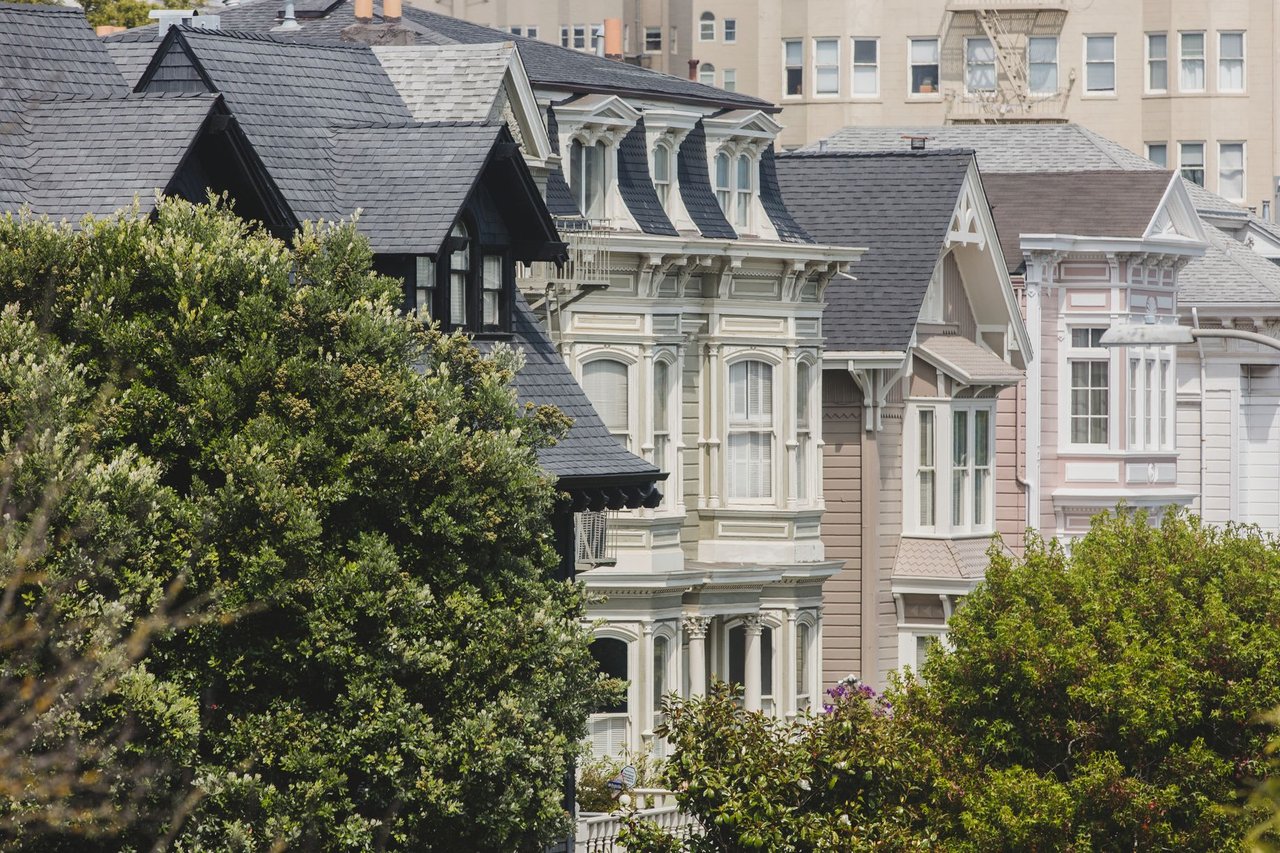
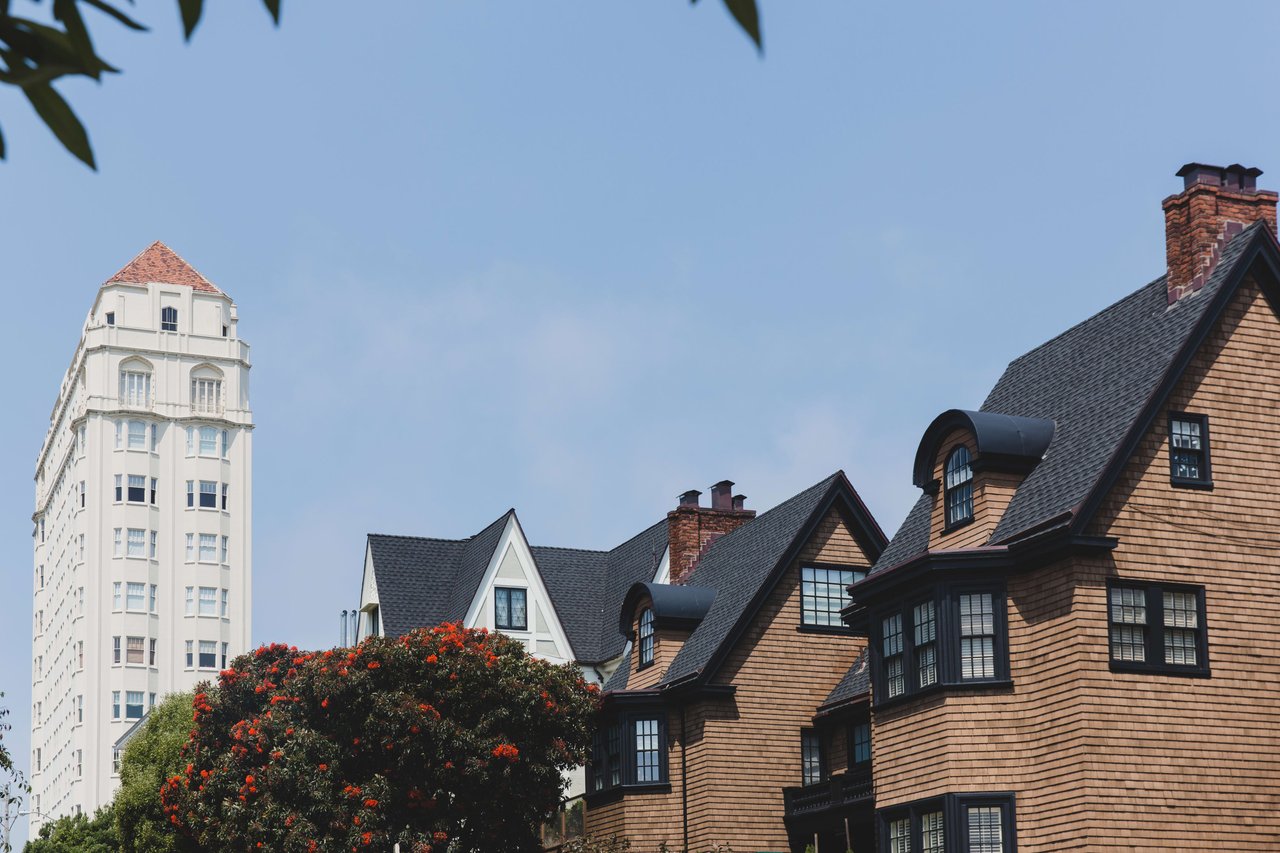
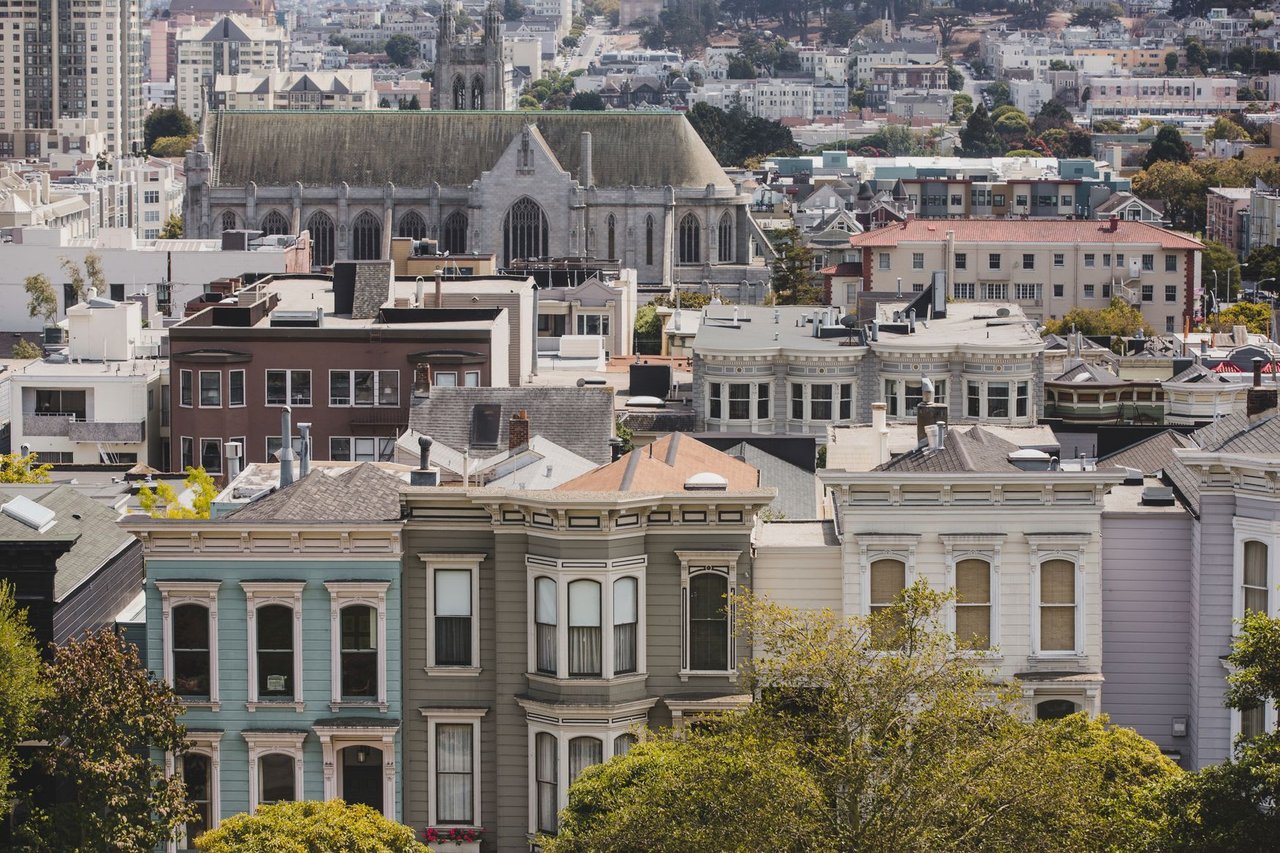
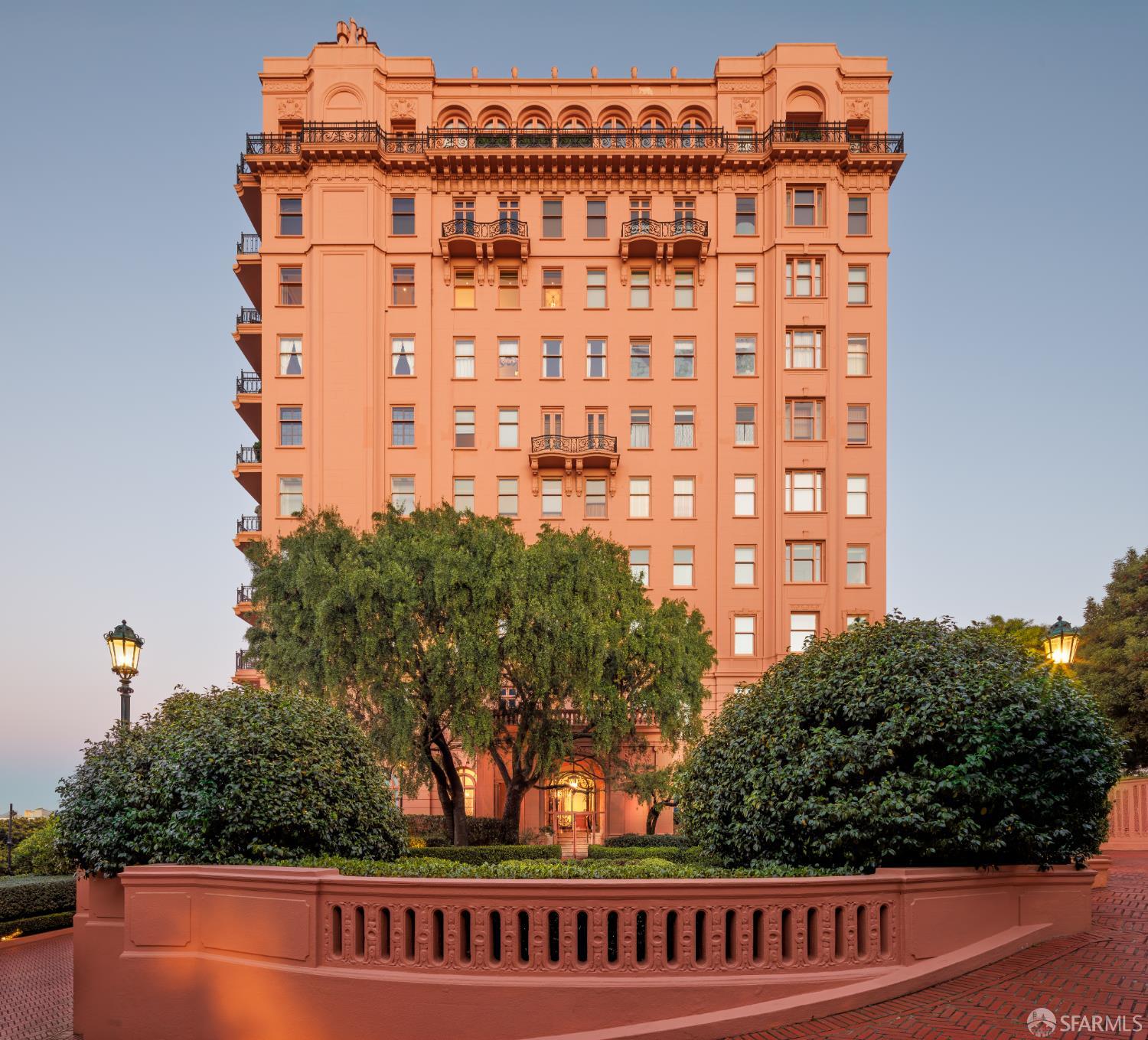
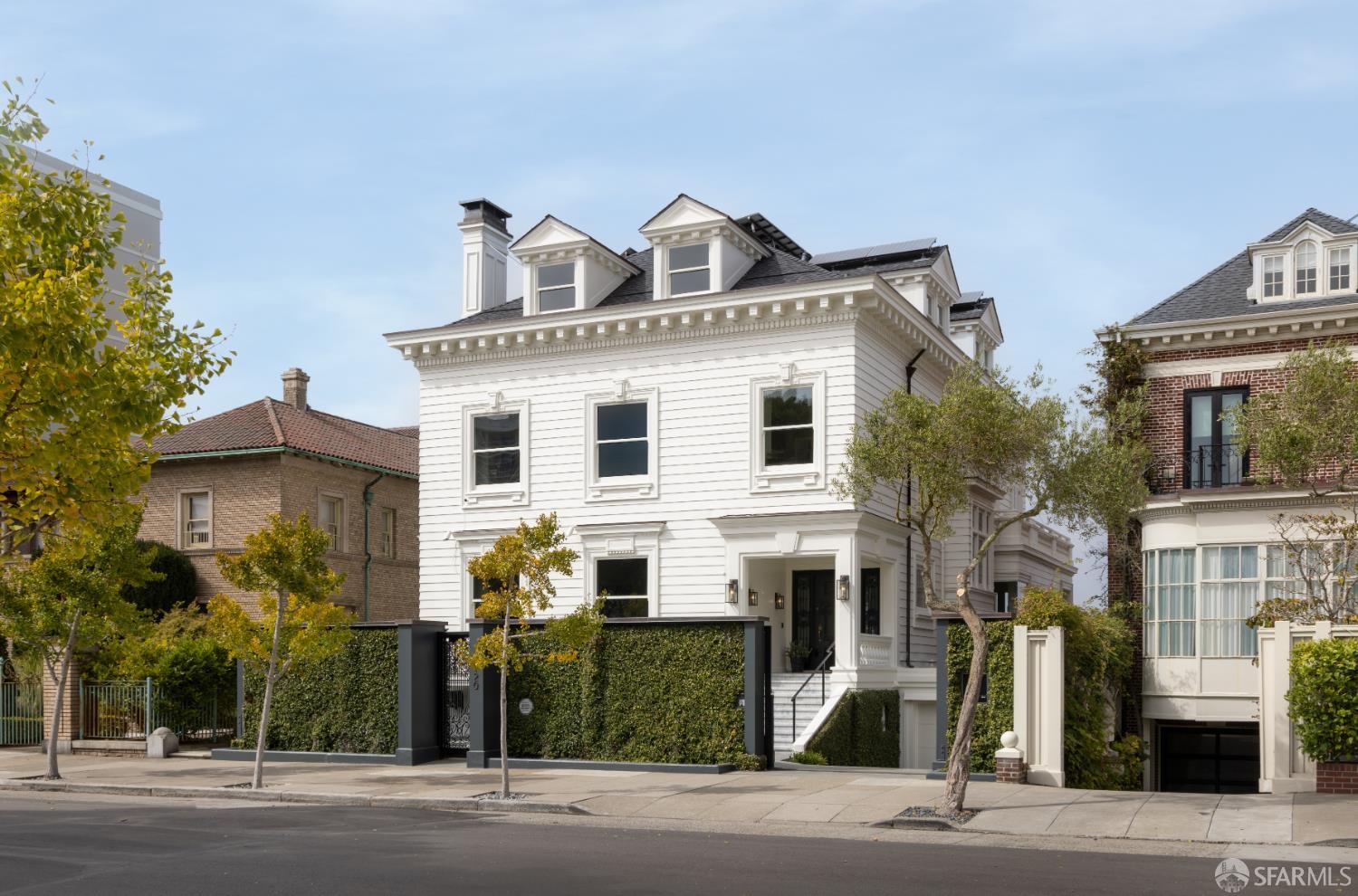
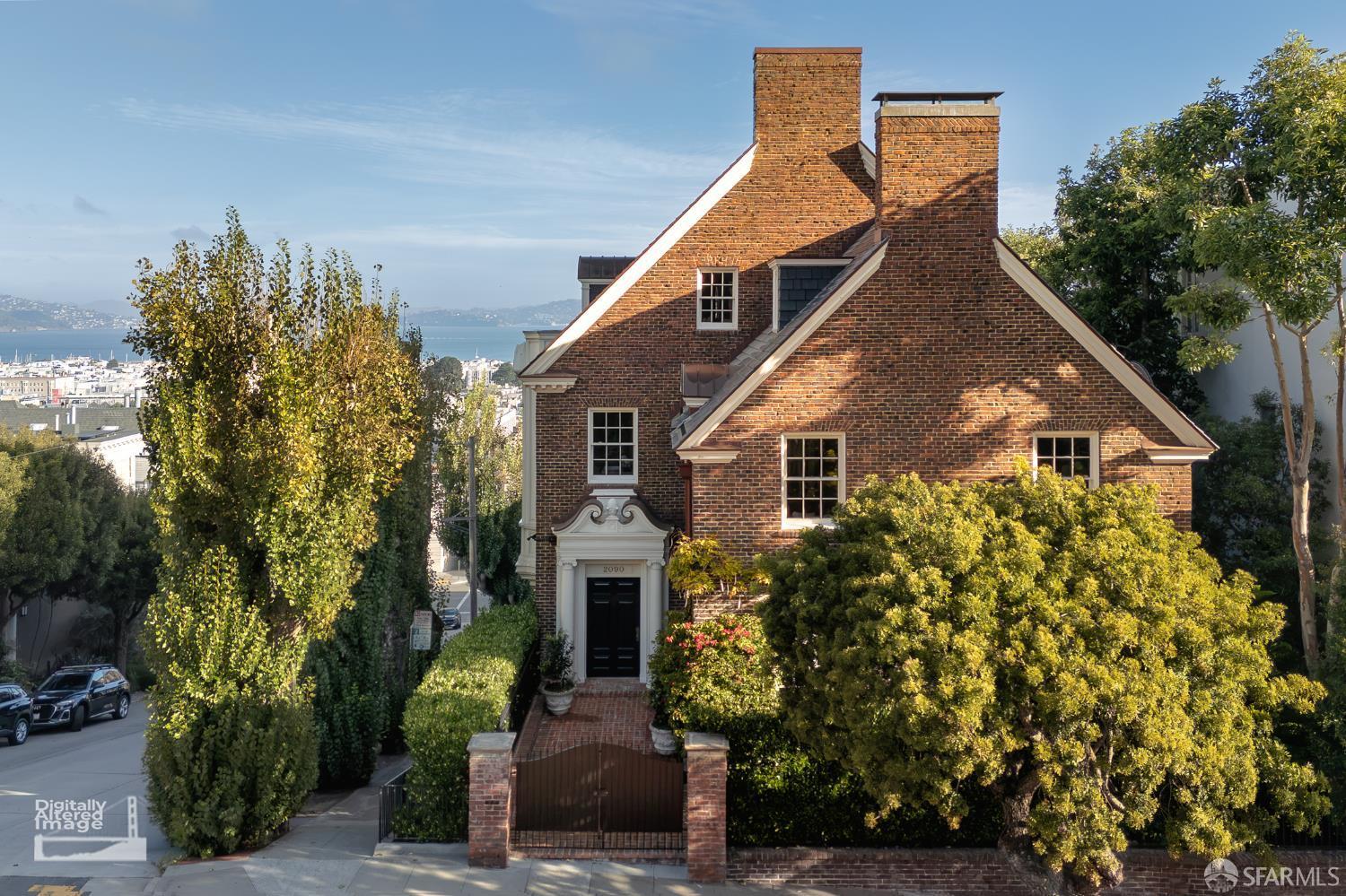
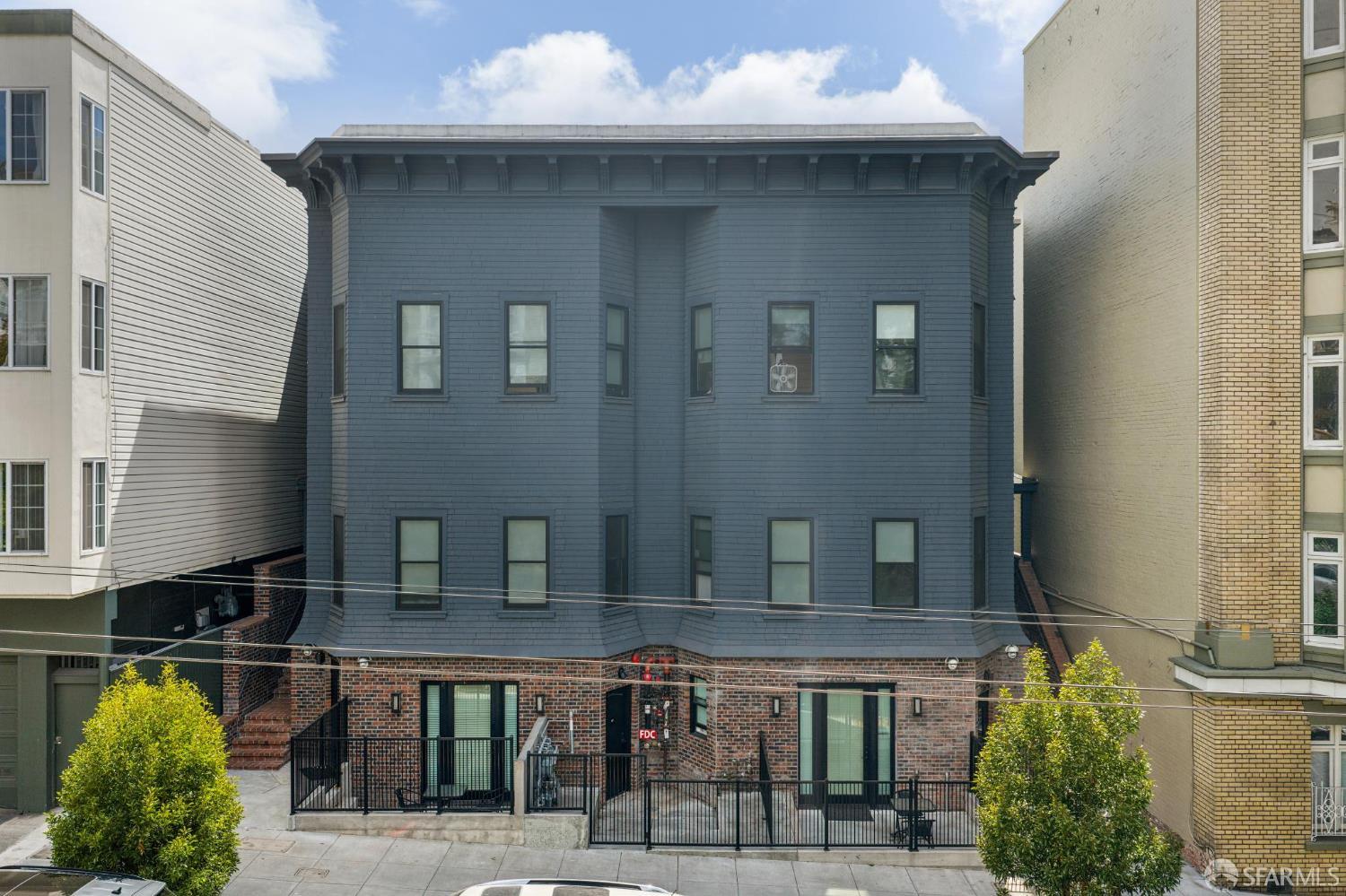
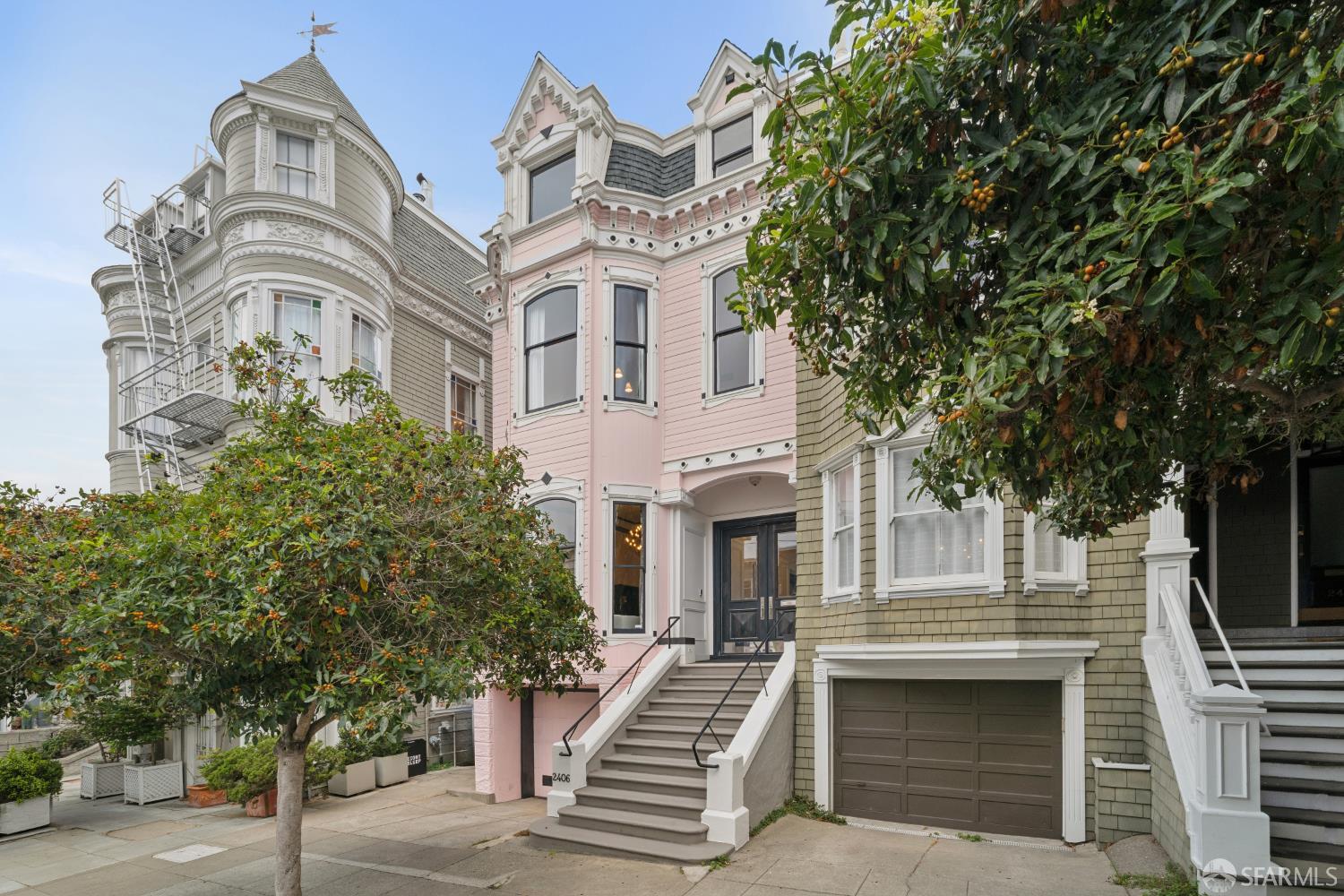
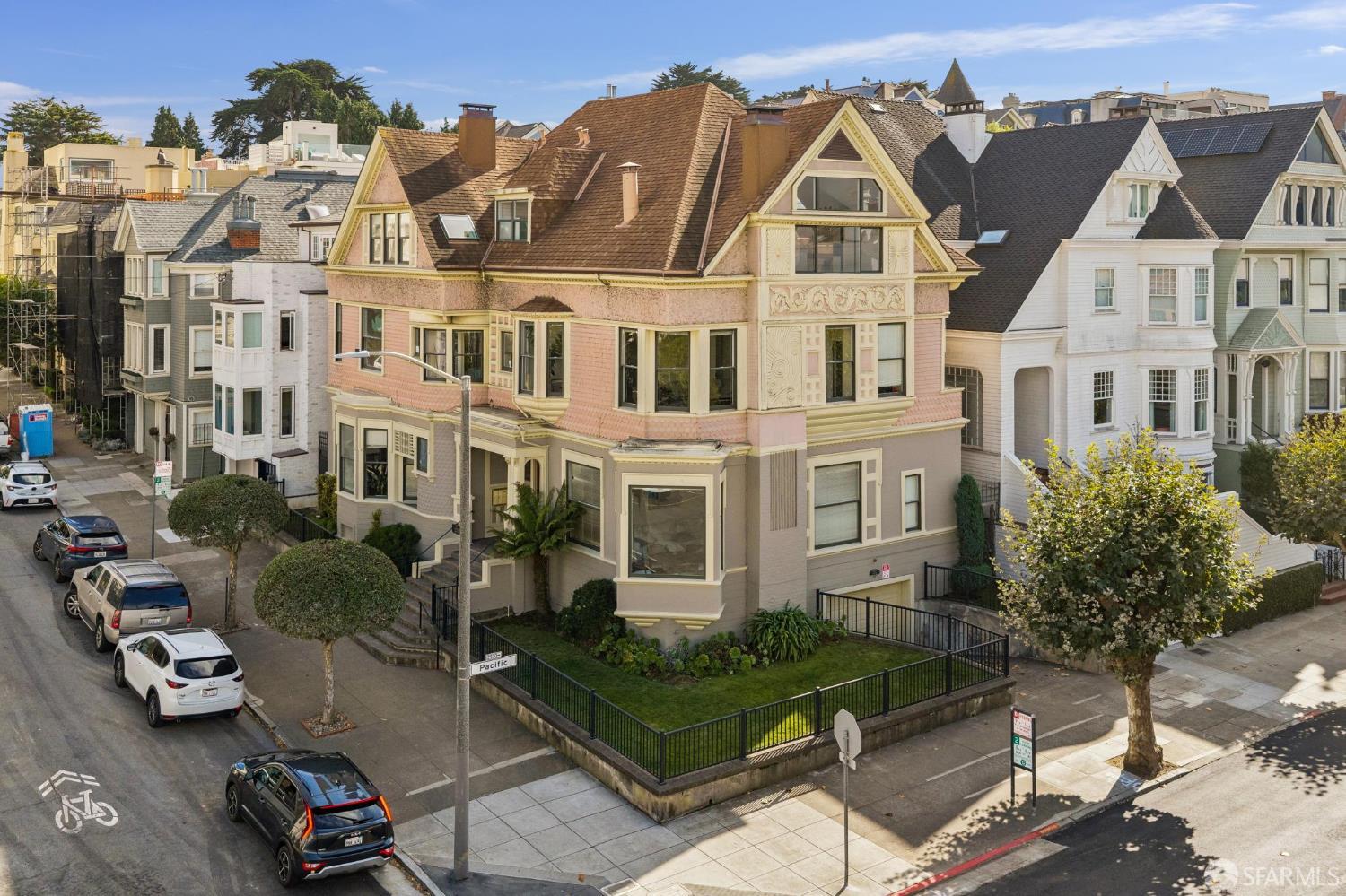
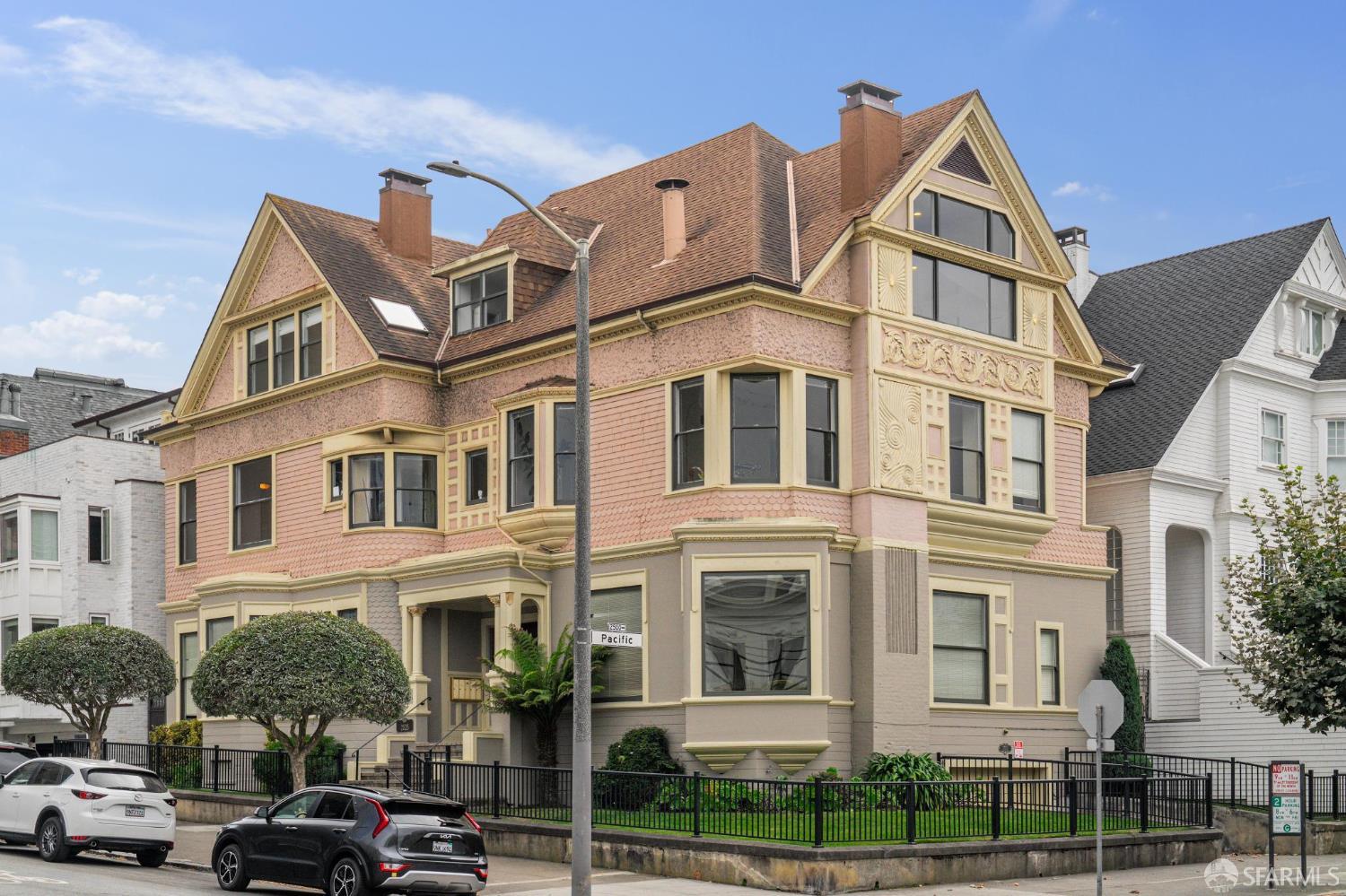
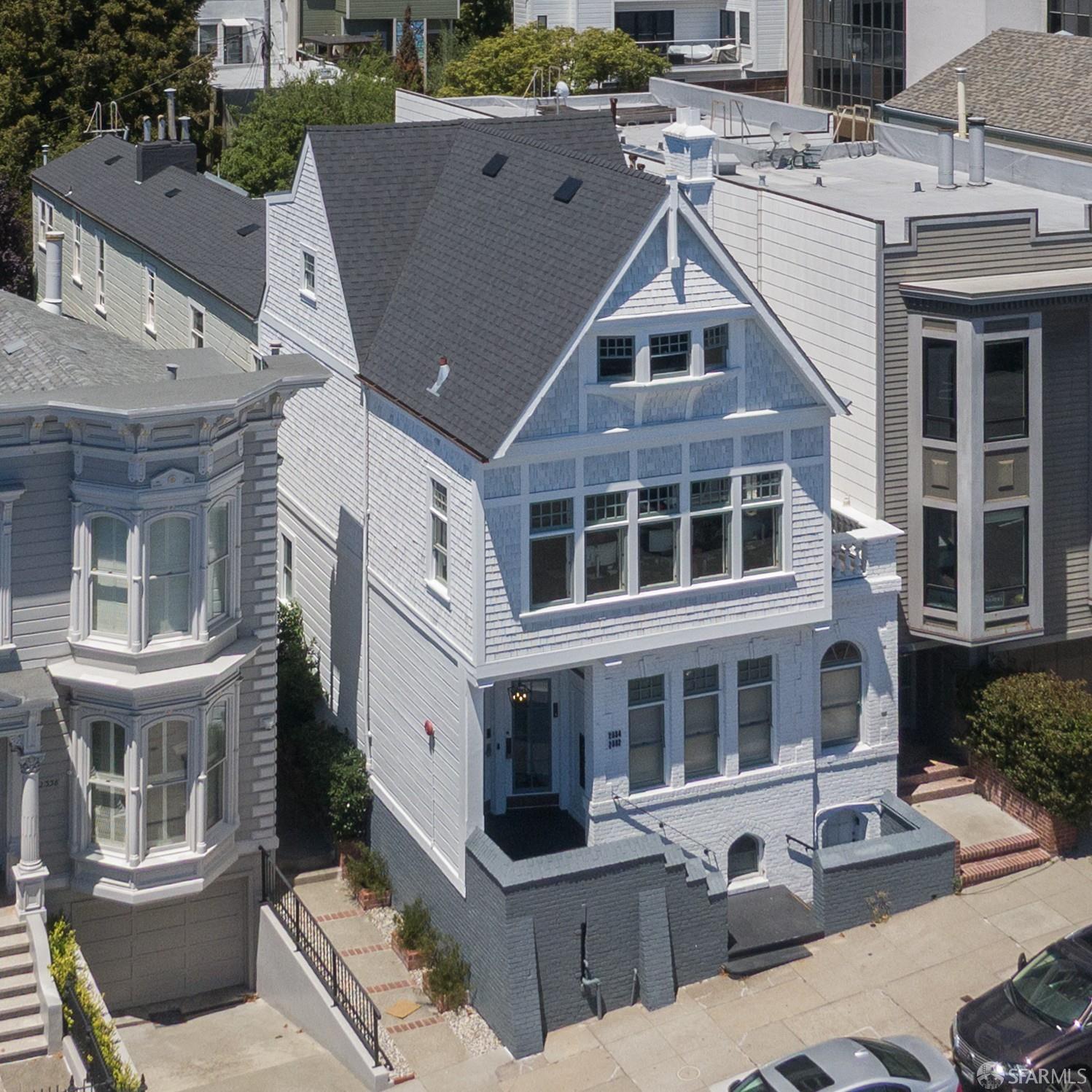
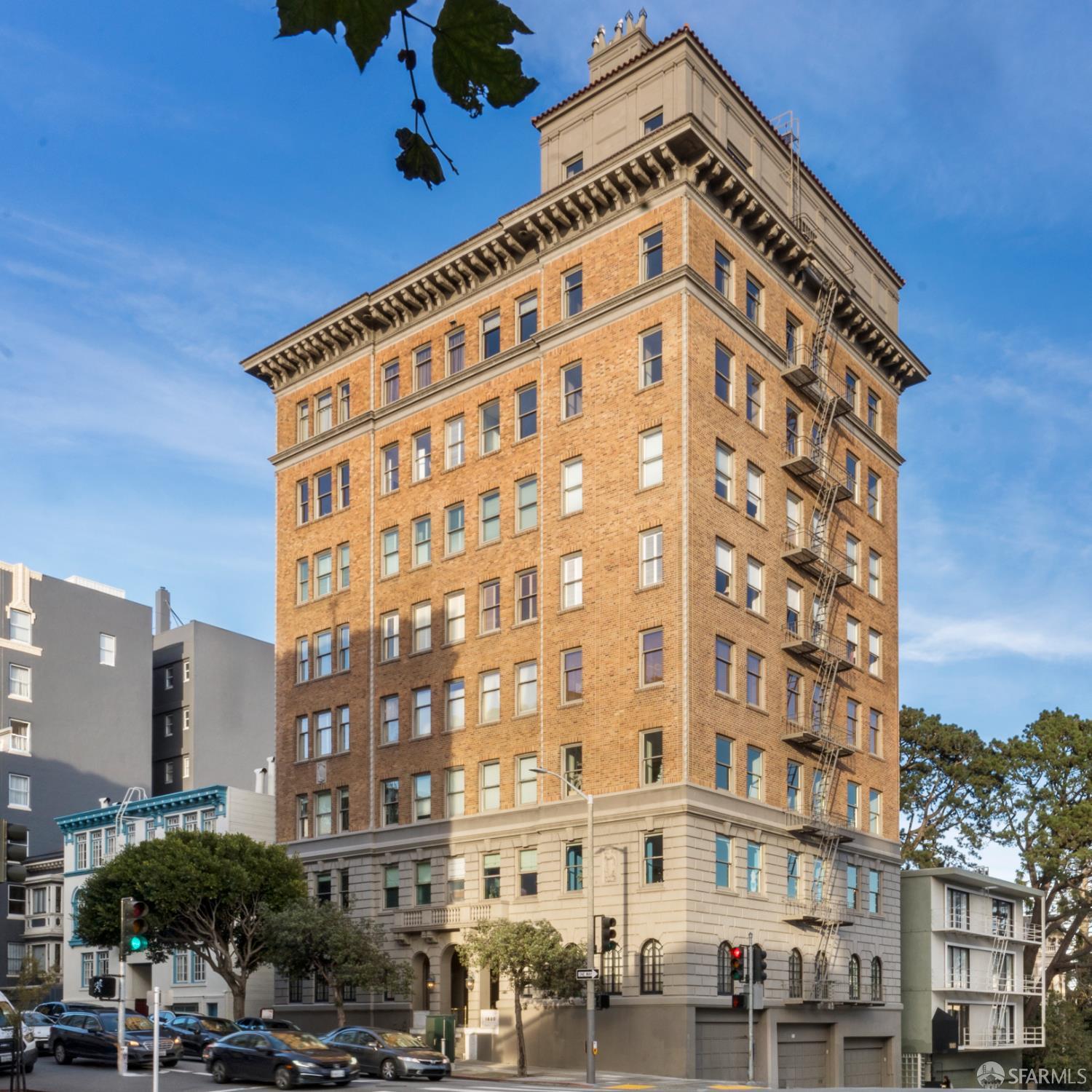
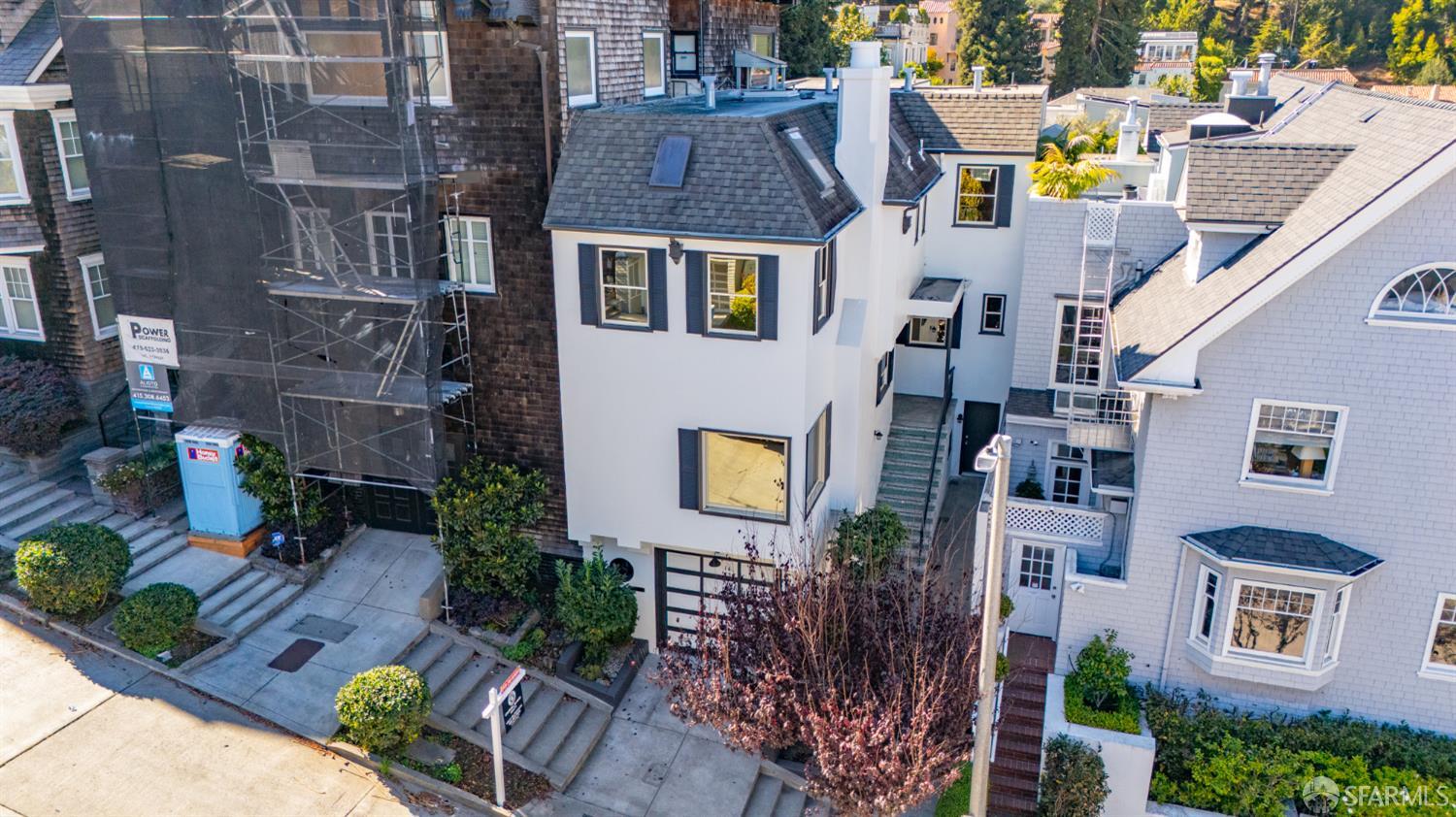
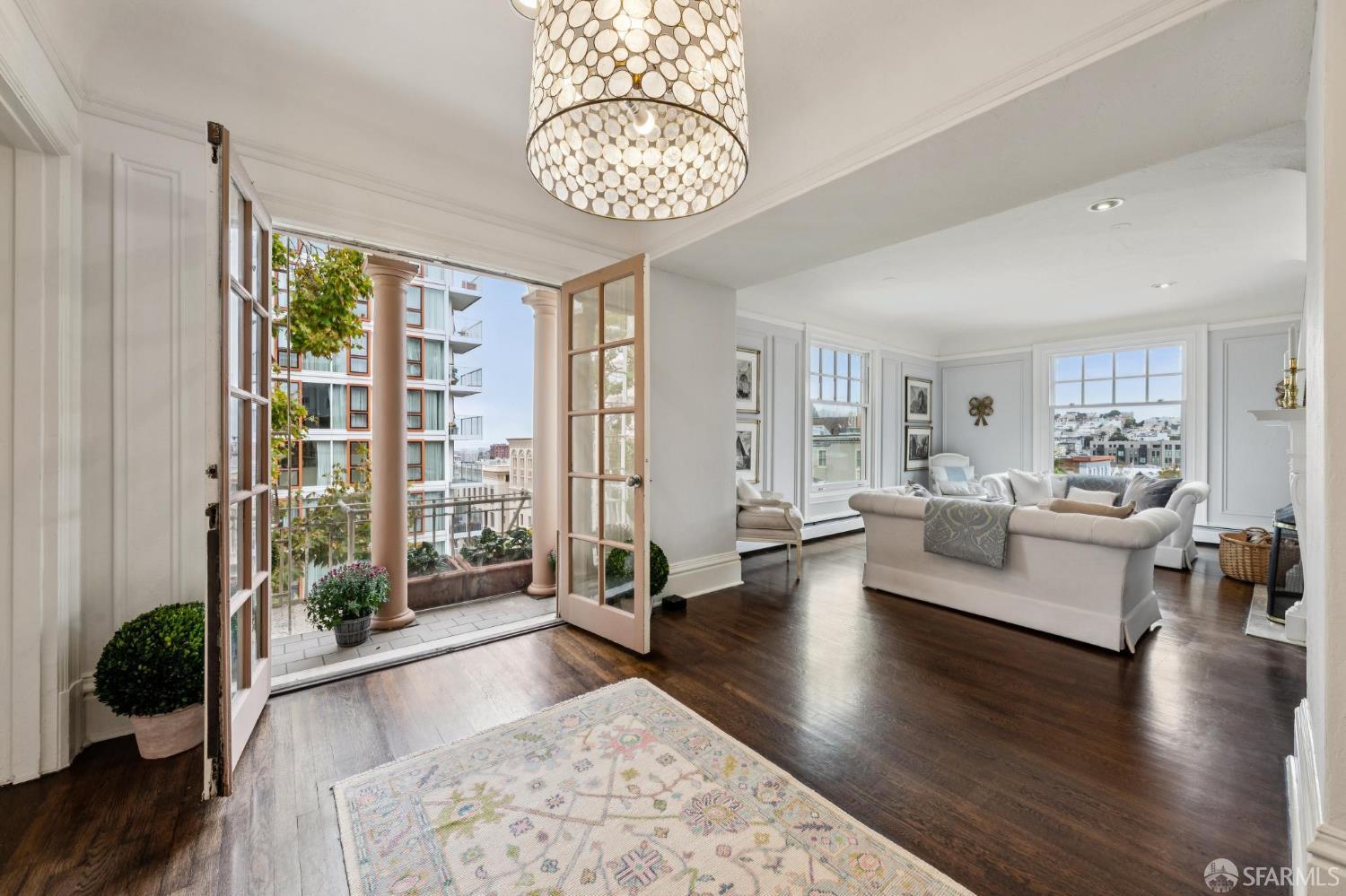
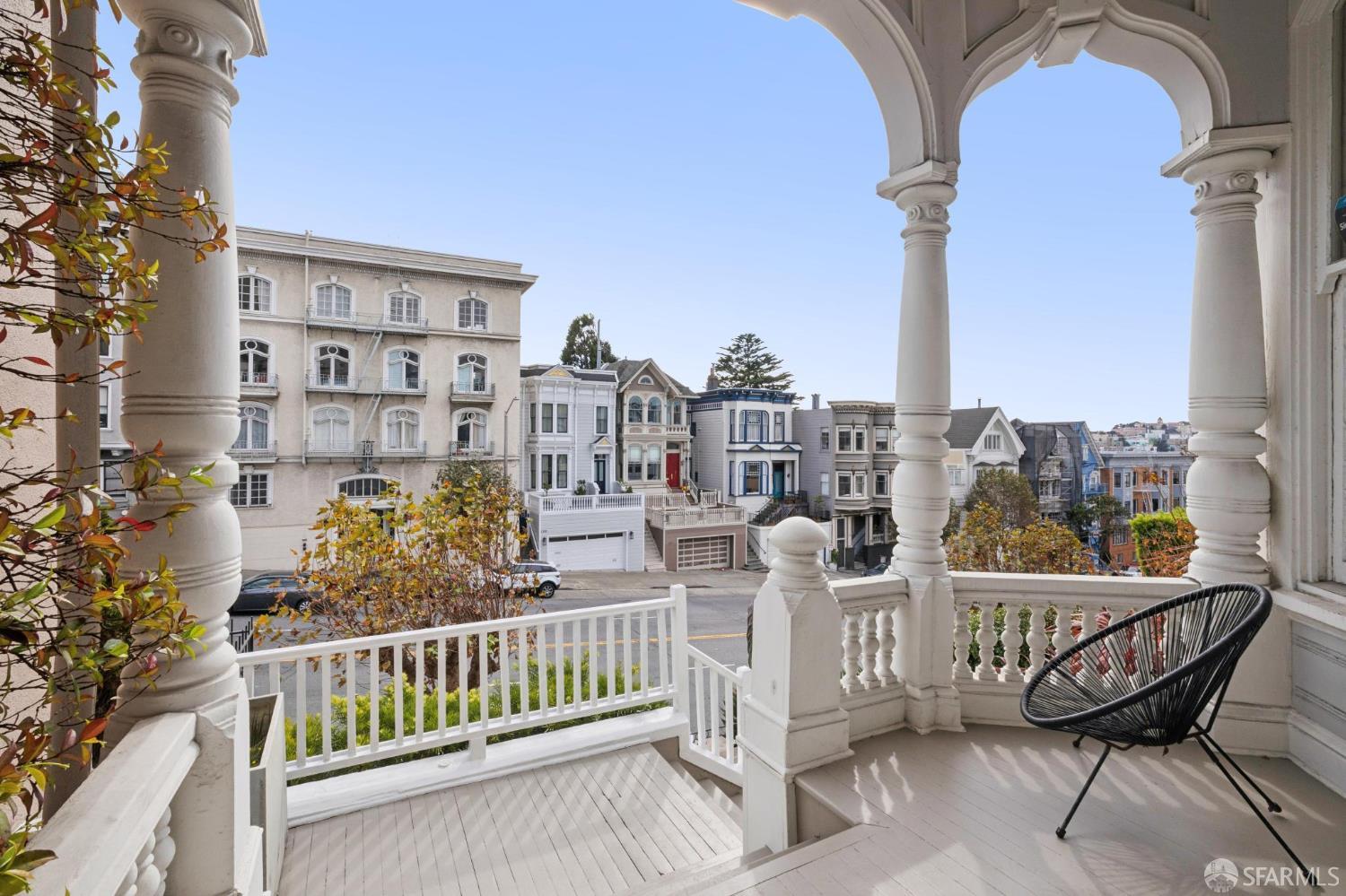
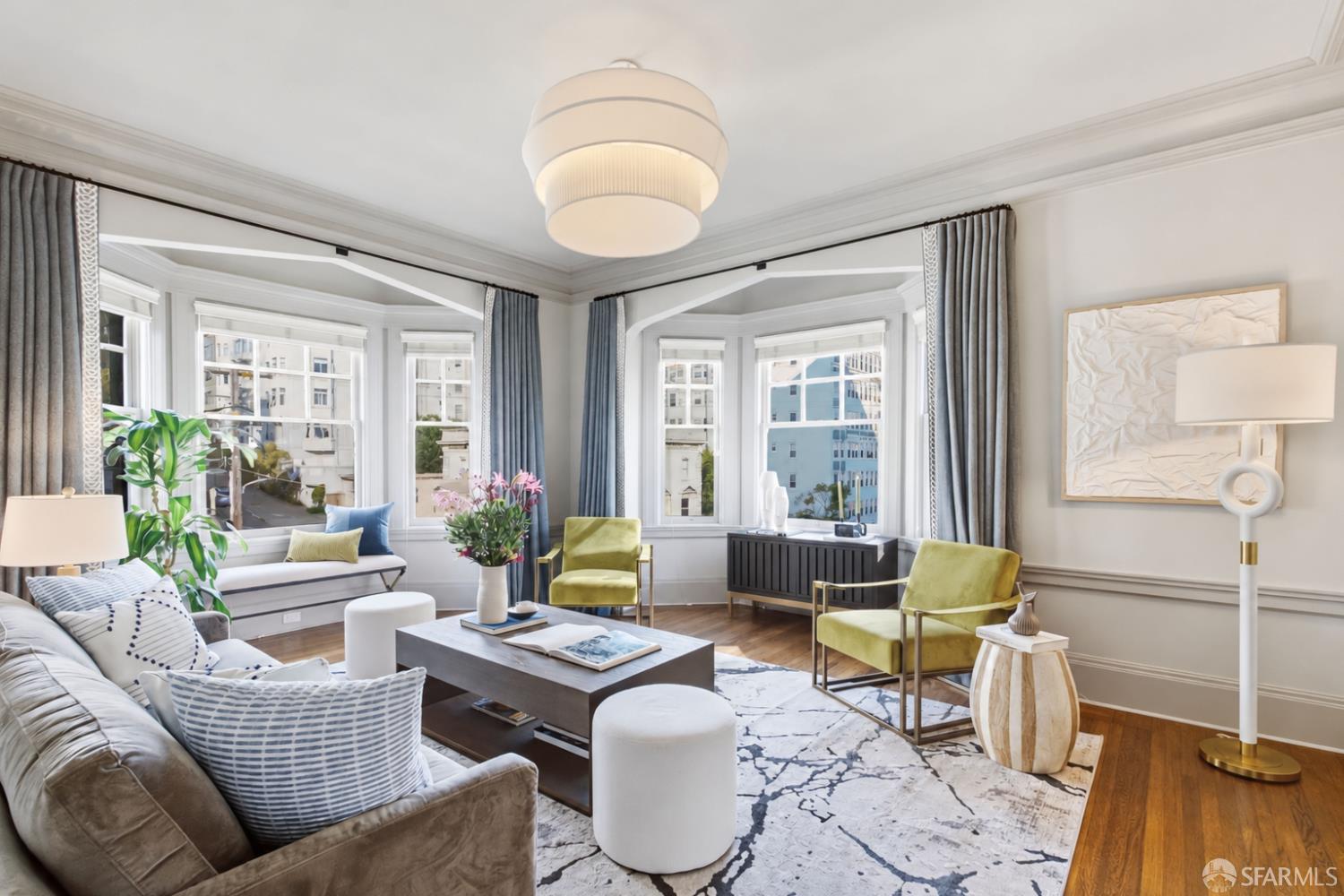
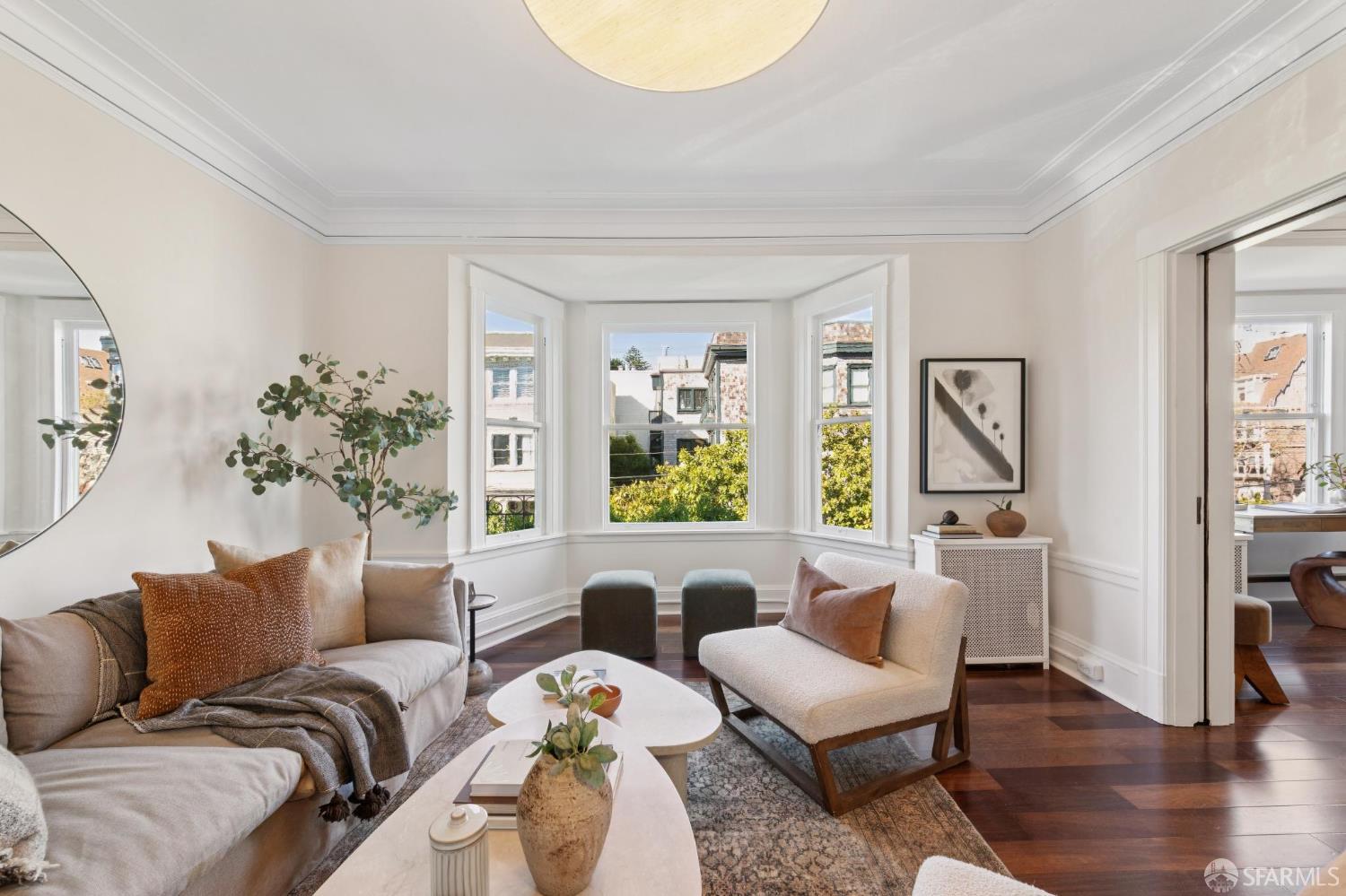
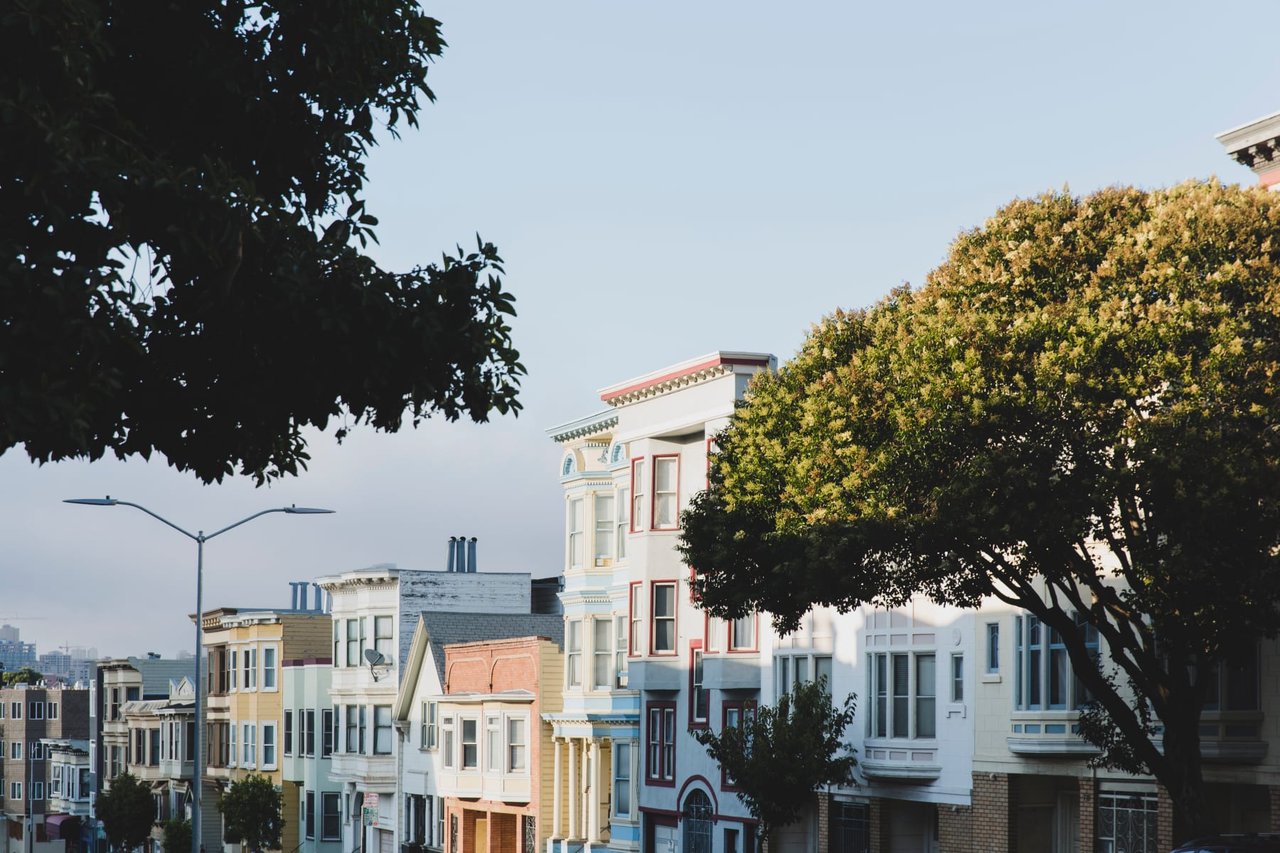
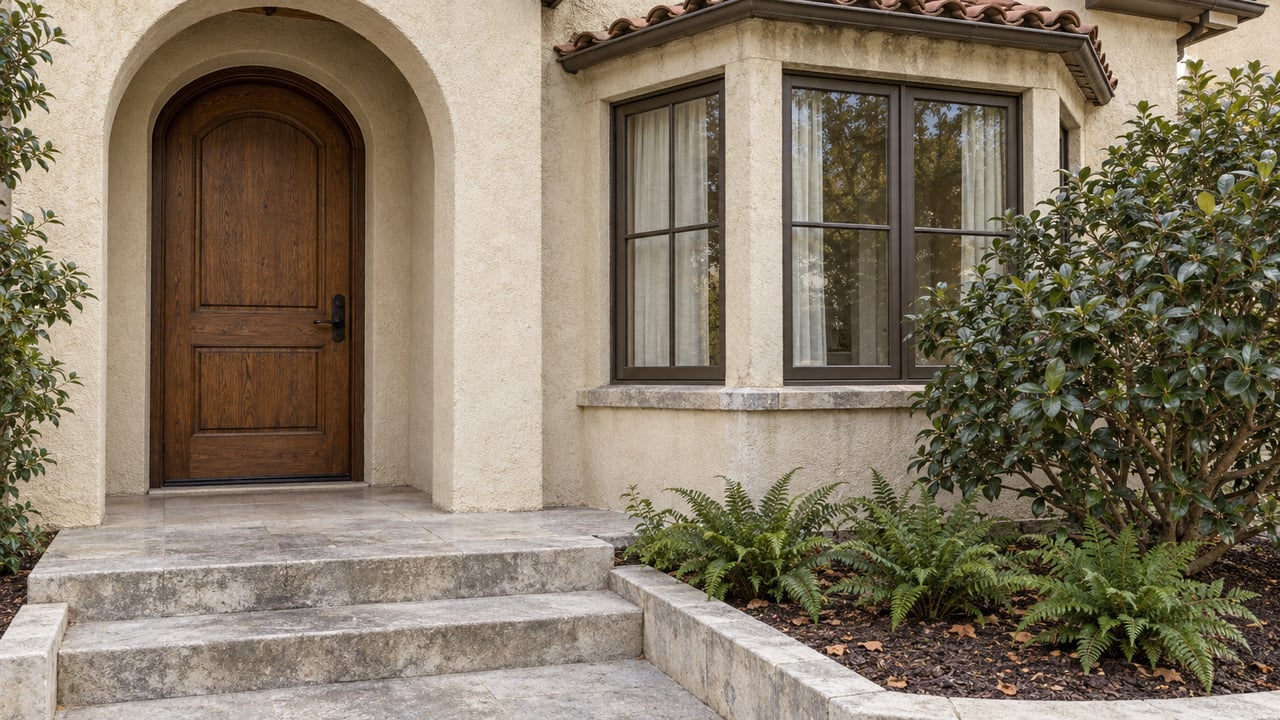
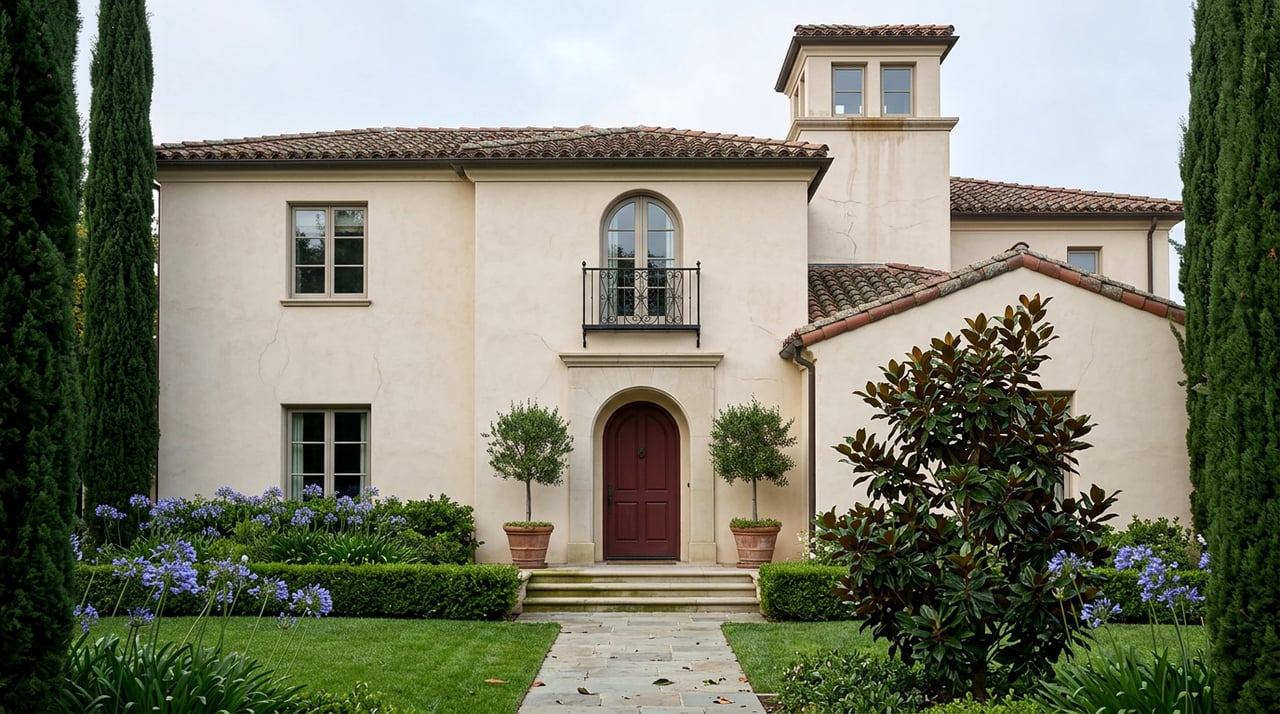
The architecture of Pacific Heights reads like a living museum of late-19th and early-20th-century design. The lower sections hold classic Victorian multi-unit buildings, while the crest of the hill showcases massive detached estates built of stone, brick, and stucco to withstand seismic activity. You'll move from Italianate and Queen Anne Victorians (soaring bay windows, intricate millwork, asymmetrical facades) to post-1906 French Beaux-Arts châteaux (limestone, mansard roofs, classical symmetry) to Georgian and Tudor Revival homes (brick exteriors, multi-paned windows, formal entries), sometimes on the same block.
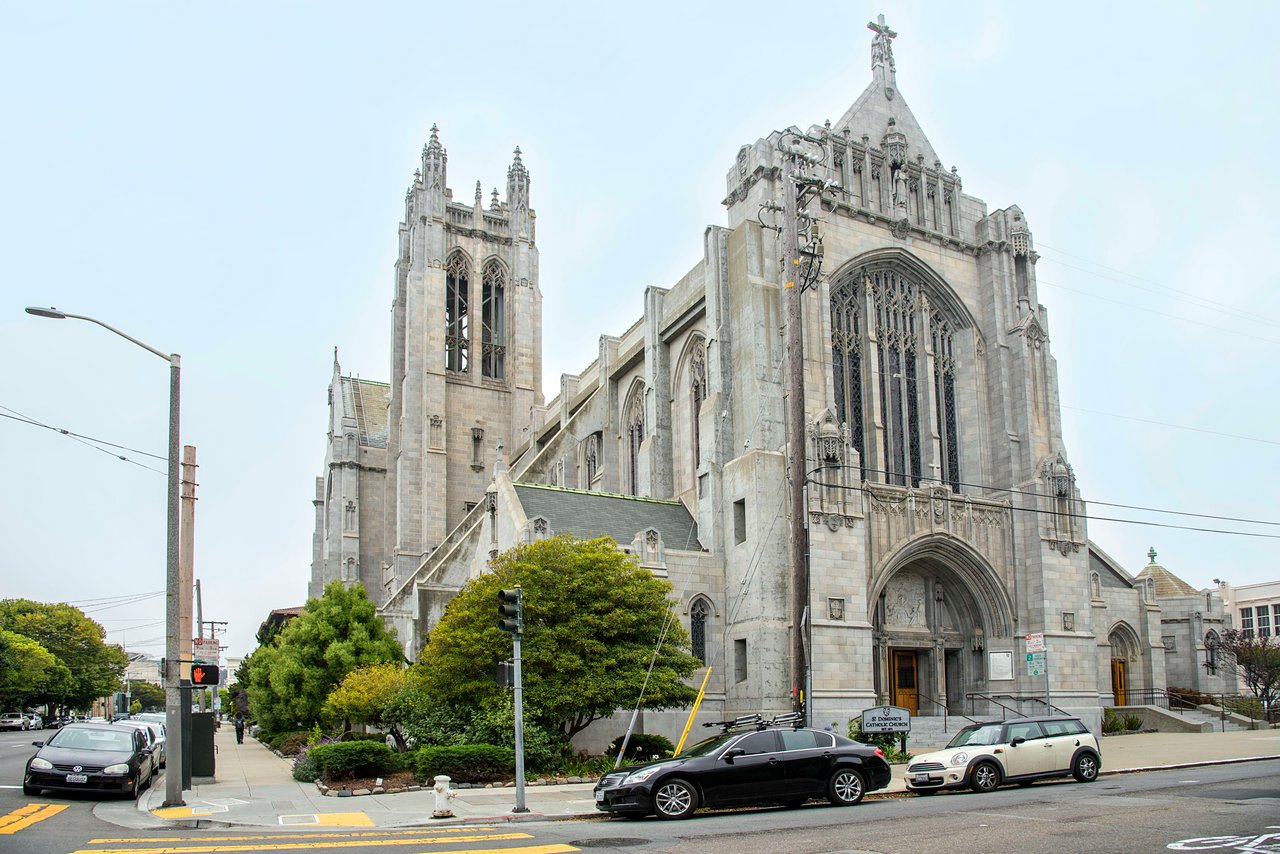
A few houses anchor the neighborhood's reputation:
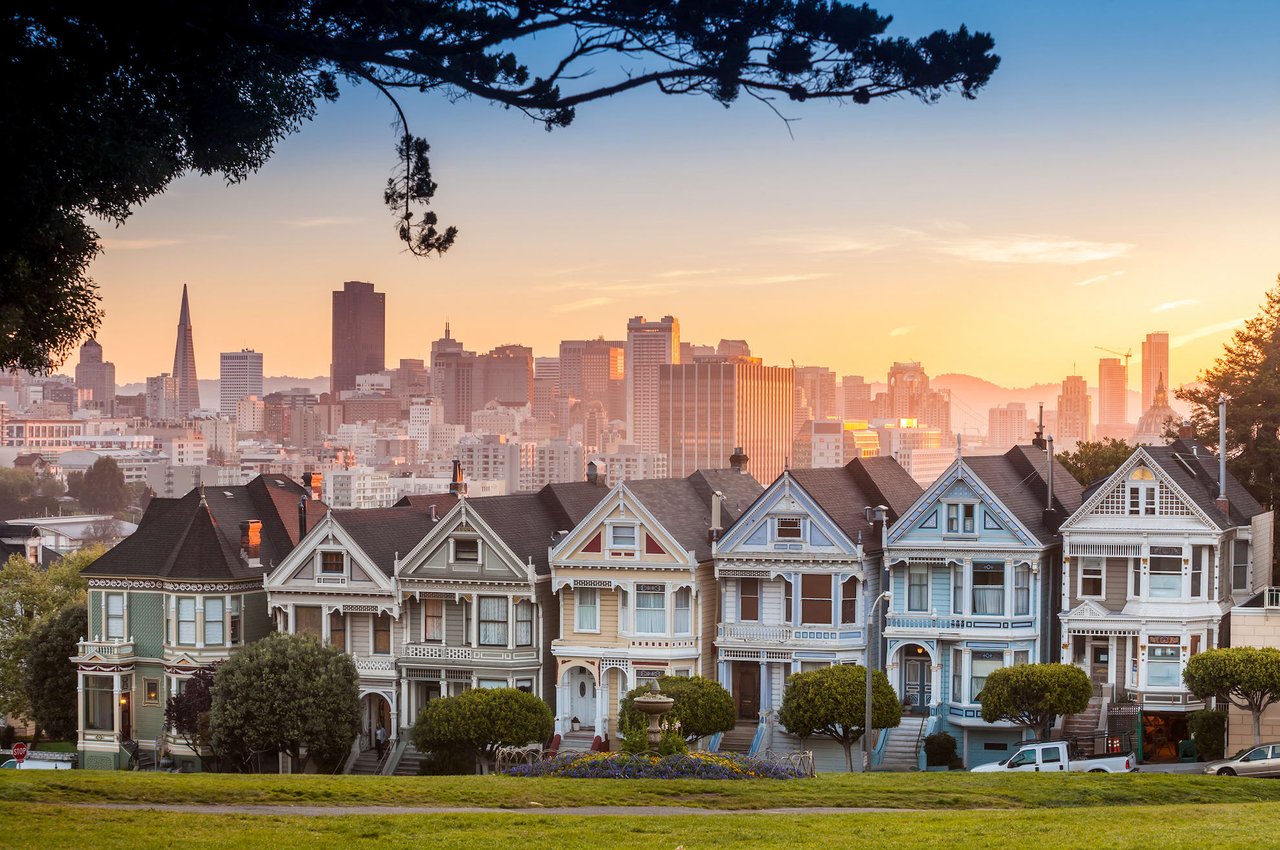
One clarification I find myself making constantly: the world-famous "Painted Ladies" from the Full House opening credits, the colorful row on Postcard Row, are not in Pacific Heights. They sit about 1.5 miles south along Steiner Street facing Alamo Square Park. Pacific Heights does, however, contain the actual Full House house (1709 Broderick Street), the Italianate Victorian used for exterior shots, located just south of the neighborhood's traditional border.
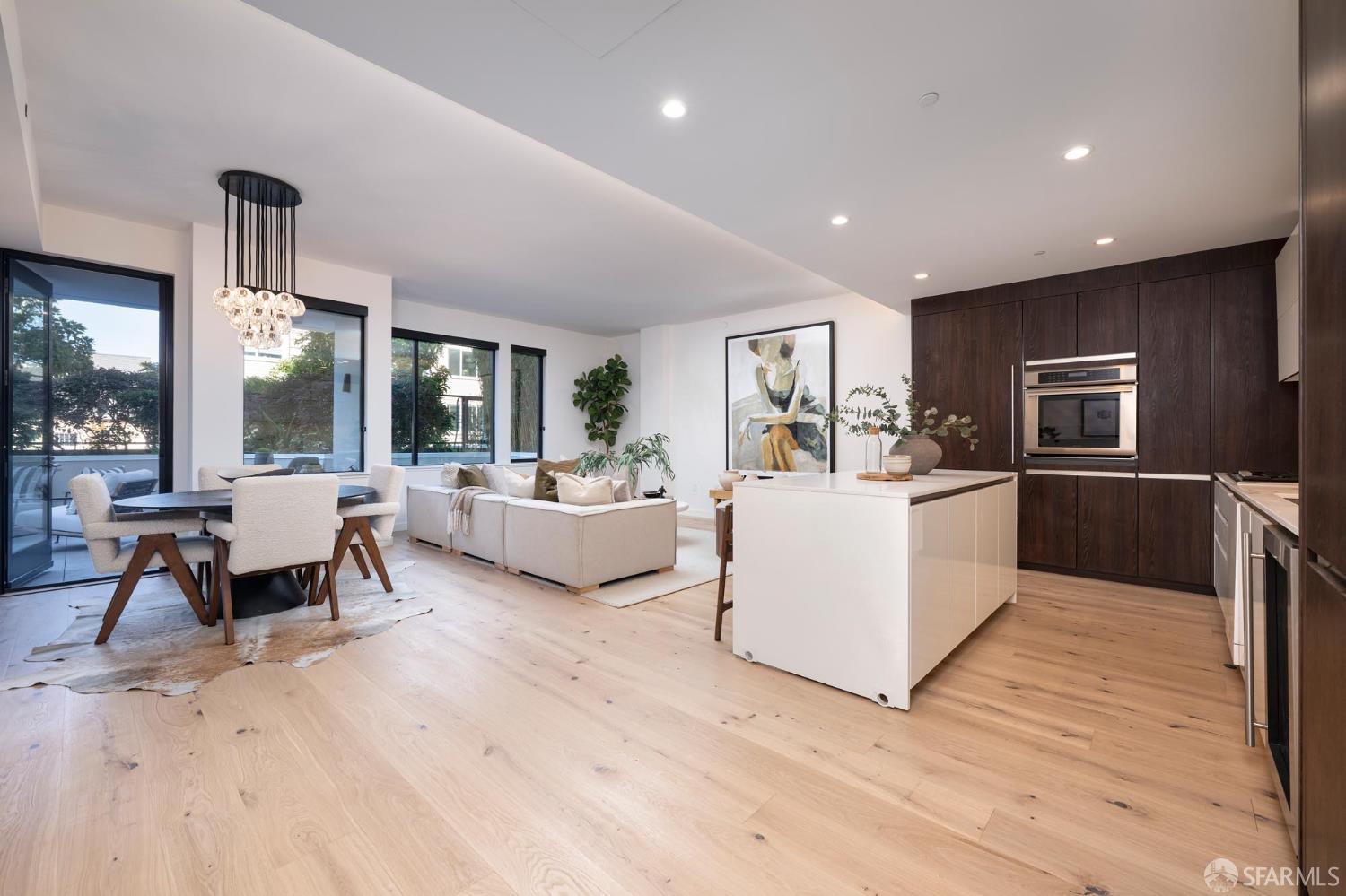
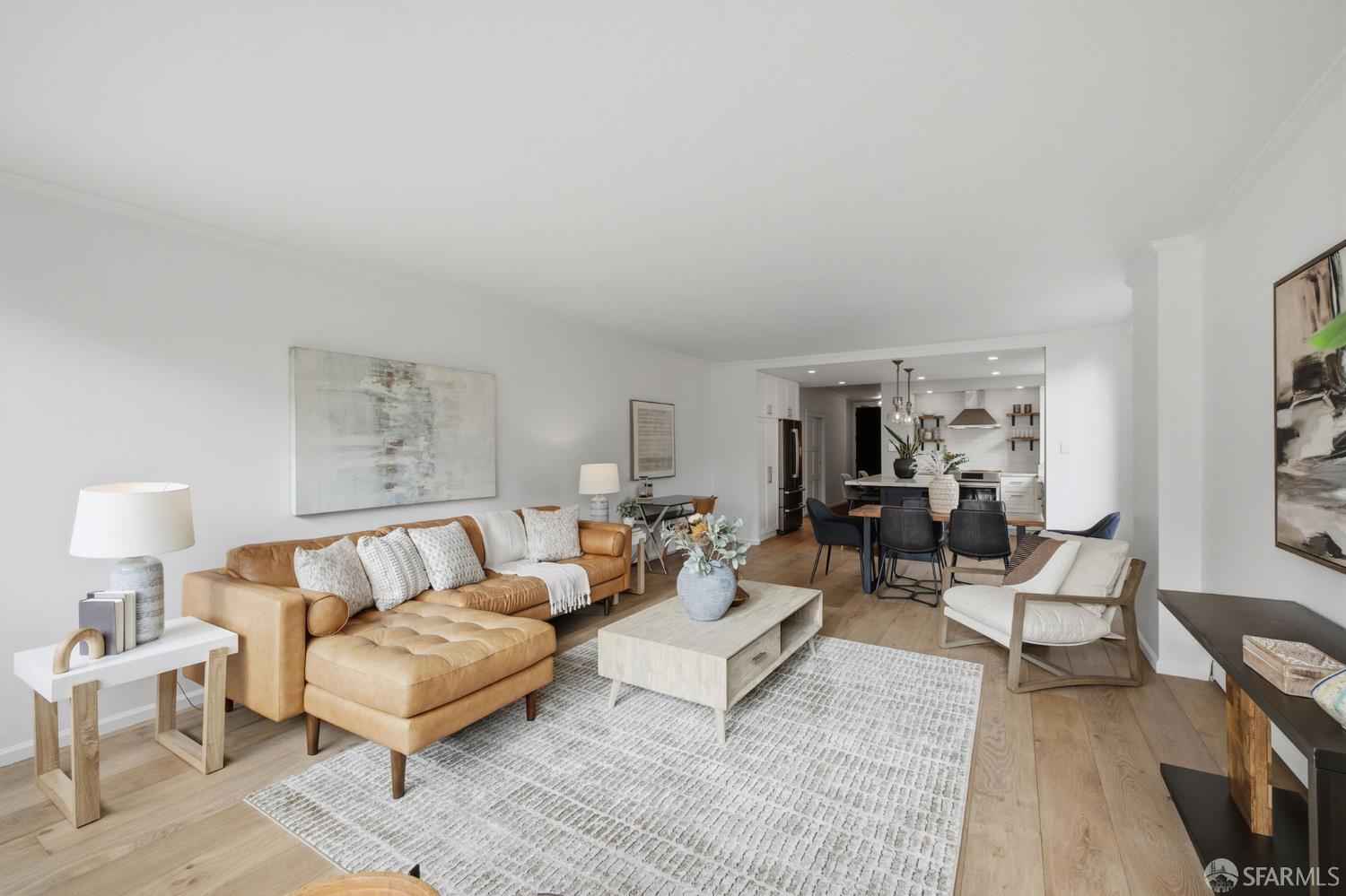
The cost of living here is exceptionally high, driven almost entirely by real estate. Everyday goods like groceries and dry cleaning track with San Francisco's already-steep baseline, but housing is on another level. Because the housing stock ranges from one-bedroom condos to multi-million-dollar legacy estates, the median lands around $1.8M to $2.4M.
Housing metric | Figure |
|---|---|
Median sale price | ~$2,429,000 |
Price per square foot | $1,200 – $1,450 |
Average monthly rent | ~$3,800 – $5,200 (depending heavily on Bay views and parking) |
One line item deserves its own mention: parking. A dedicated garage space can add tens of thousands of dollars to a purchase price, or $300 to $500 to monthly rent. Street parking is tightly regulated with two-hour residential permits on 15% to 20% slopes, so a deeded space isn't a luxury here so much as a practical necessity that holds real resale value.
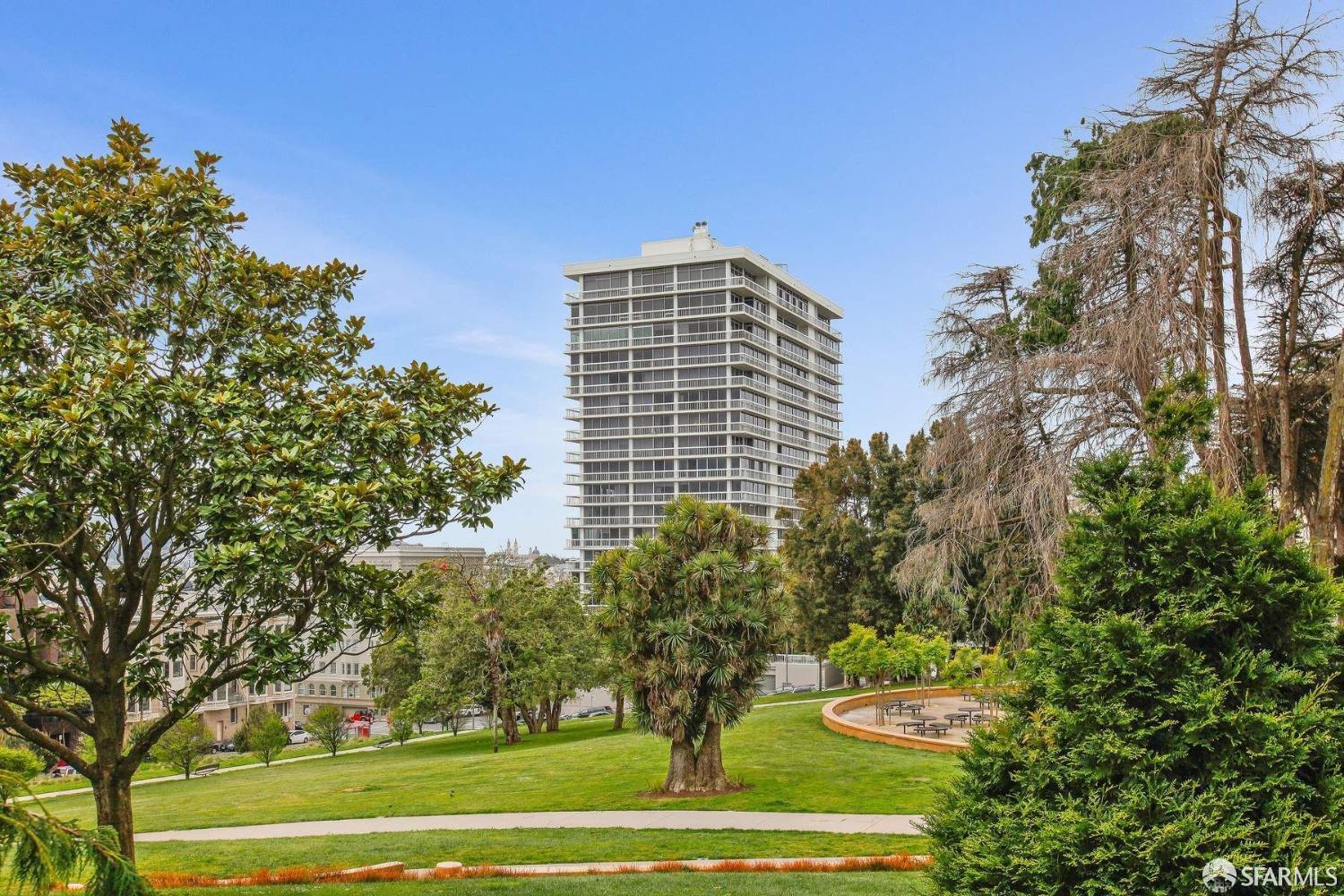
For a residential neighborhood, Pacific Heights packs in some of the city's most spectacular green space and vistas.
Alta Plaza Park, perched between Jackson and Clay on a multi-tiered hill, delivers sweeping 360-degree views, from the city to the south to the Marin Headlands to the north, along with tennis courts, a playground, and stepped terraces popular with locals reading or walking dogs. A few blocks east, Lafayette Park spreads over 11 acres of rolling lawn directly across from the Spreckels Mansion, with winding paths, a beloved off-leash dog area, and downtown views.
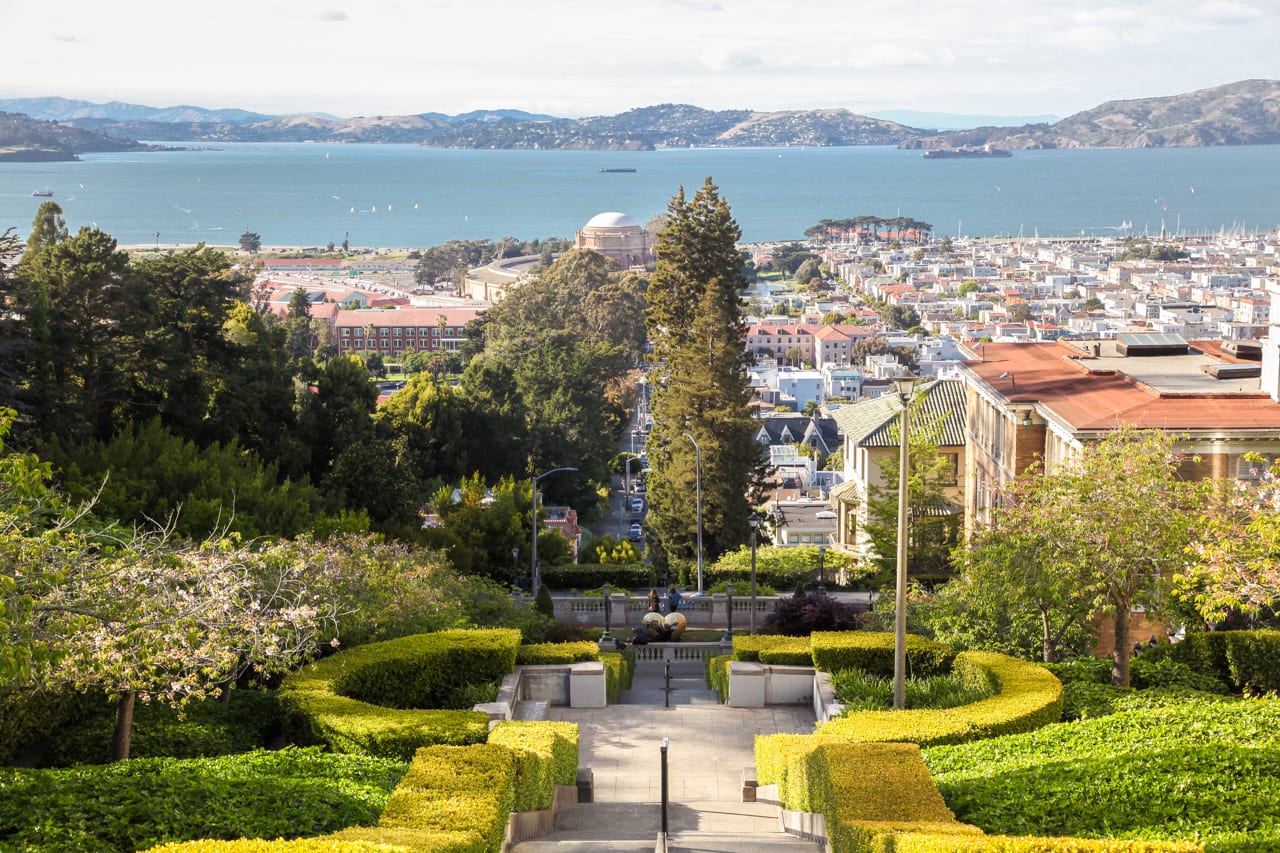
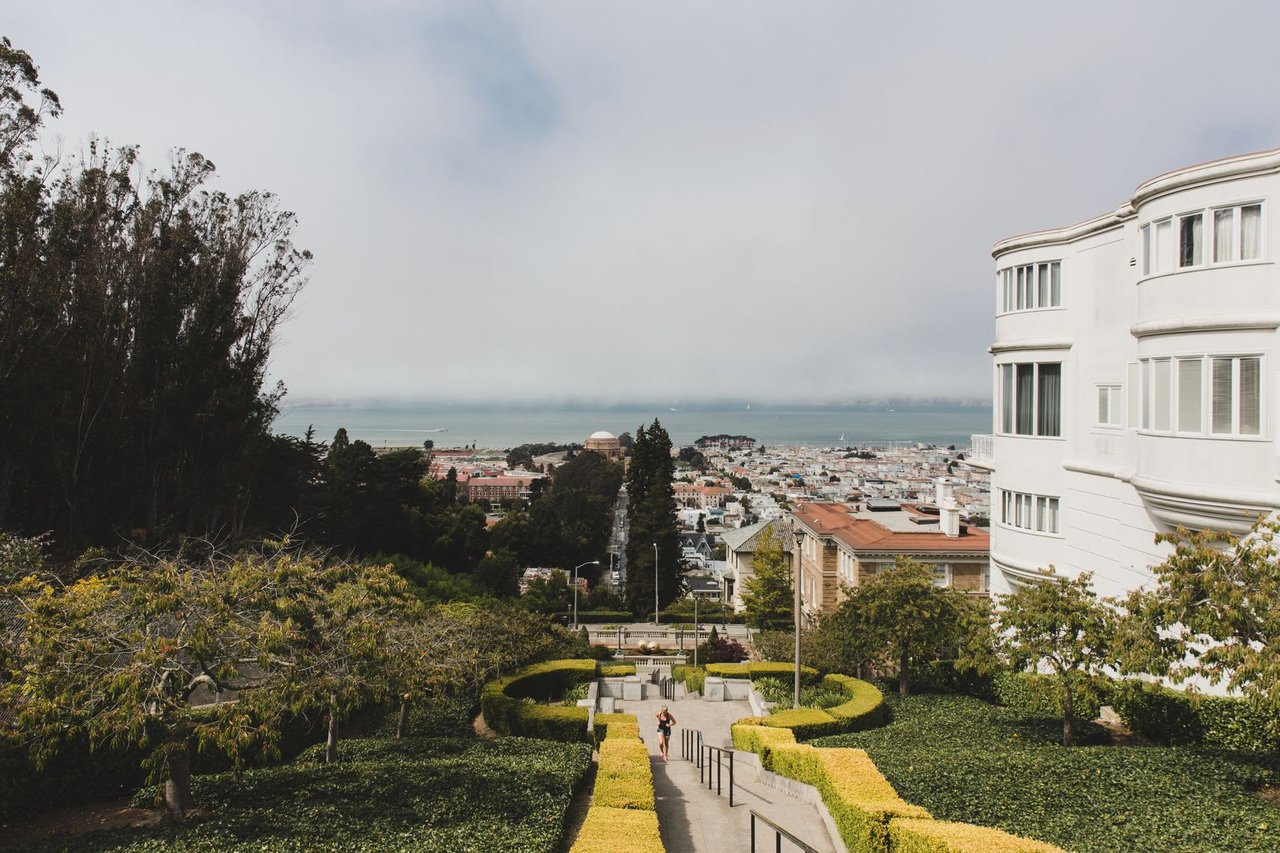
The neighborhood's most famous workout is the Lyon Street Steps on the western edge at Lyon and Green: 288 concrete steps dropping toward the Marina, lined with manicured hedges, flower gardens, and a heart sculpture, with the dome of the Palace of Fine Arts framed below. It's equal parts fitness mecca and photo opportunity.
For shopping and dining, everything converges on the Fillmore Street commercial district between Jackson and Bush, a walkable stretch of high-end boutiques, acclaimed eateries and bakeries, and historic theaters like the structurally preserved Clay Theatre, one of the city's oldest single-screen cinemas.
The area's commercial pulse runs along two corridors with distinct personalities: refined Fillmore Street and the more social Union Street just down the hill in Cow Hollow.
Upper Fillmore (between Jackson and Bush) is sophisticated but welcoming. Mornings start at Jane on Fillmore for coffee, house-made pastries, and breakfast bowls, while brunch crowds queue at Sweet Maple for its famous thick-cut "Millionaire's Bacon." For dinner, SPQR draws acclaim for its house-made pastas, The Tailor's Son leans into Northern Italian risottos and fresh pasta, and Florio Bar & Café nails the timeless European bistro vibe with steak frites and martinis. Nightlife here is conversational rather than clubby; The Snug is the local favorite, a sleek bi-level space with a serious cocktail menu and a deep beer list.
Union Street runs younger and louder and pulls weekend crowds from across the city. Balboa Cafe, the anchor since 1913, still serves burgers on sourdough baguettes from its classic brass-and-wood bar. The rest of the strip mixes health-conscious salad and juice spots with lively patios built for bottomless-mimosa brunches, and the bars run late, from country-themed Westwood with its mechanical bull to upscale sports bars and wine lounges.
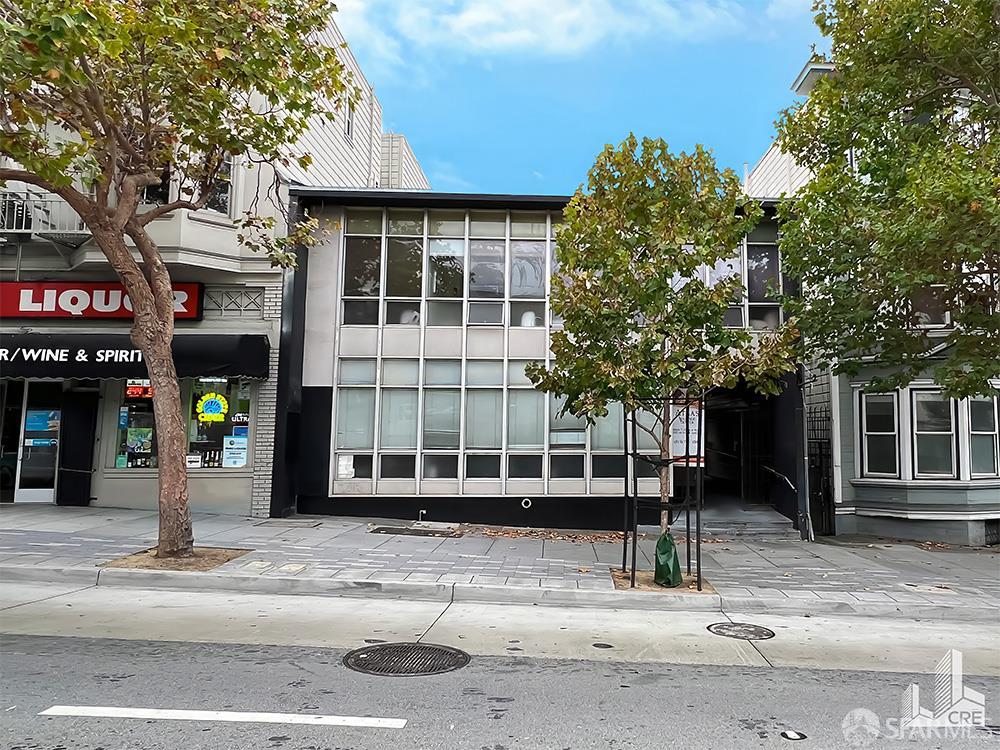
Shopping here is about luxury labels, independent designers, and specialty curators, not mega-malls. The experience is walkable and storefront-style, concentrated on upper Fillmore, one of the premier retail stretches in San Francisco.
On the fashion side you'll find boutiques like Alice + Olivia, Veronica Beard, and Rag & Bone alongside SF-born sustainable footwear label Rothy's, while the corridor doubles as a haven for premium beauty with brick-and-mortar shops for Aesop, Le Labo, and Credo Beauty.
What gives the area its character, though, is the heritage businesses tucked between the fashion houses. Browser Books has been packing its floor-to-ceiling shelves with carefully curated literature since 1976. Independent jewelers, custom gem designers, and high-end home-decor showrooms dot both Fillmore and Union, and the neighborhood's active streak shows up in a dense cluster of boutique fitness concepts, from Pilates and barre studios to premium gyms, especially along Union.
Few neighborhoods in the country hold this density of prestigious schools, and the landscape skews heavily toward selective independent institutions.
The marquee names include Convent & Stuart Hall (Schools of the Sacred Heart), a K-12 Catholic institution operating partly out of the historic Flood Mansion on Broadway with single-sex education across co-educational campuses; San Francisco University High School (UHS) on Jackson Street, one of California's most highly rated independent college-preparatory high schools; Town School for Boys, a well-regarded K-8 day school near Alta Plaza Park; and San Francisco Day School, a respected co-educational K-8 on the neighborhood's edge.
On the public side, the neighborhood is served by the San Francisco Unified School District (SFUSD). It's worth understanding that San Francisco uses a citywide lottery assignment system, so living here does not guarantee a seat at the nearest school. Notable nearby public options include Claire Lilienthal Elementary (a popular K-8 with campuses in the Marina and Presidio Heights) and the San Francisco Public Montessori program.
Pacific Heights blends a quiet residential feel with genuine urban accessibility. It carries an outstanding Walk Score of 97, meaning daily errands along Fillmore or Union rarely require a car.
The catch is the ridge. Walking within the neighborhood along east-west streets like Jackson or Pacific stays relatively flat, but heading north toward Cow Hollow or south toward the Western Addition means tackling 15% to 20% inclines. Plan your routes with gravity in mind.
Transit is strong because the area serves daily commuters, not just tourists. The 1-California is the backbone, running along California Street straight into Chinatown, downtown, and the Financial District. The 22-Fillmore connects north to the Marina and south to the Mission, while the 24-Divisadero runs along the western edge down toward the Castro and Noe Valley. The historic California cable car line terminates at Van Ness on the eastern boundary, offering a scenic and surprisingly uncrowded ride over Nob Hill.
As for driving: it's manageable, but street parking is a notorious challenge. Steep hills require curbing your wheels, most streets cap at two-hour limits without an Area S Residential Parking Permit, and that's precisely why homes with private garages carry such a premium.
The neighborhood is a fascinating blend of old-money San Francisco, tech-industry wealth, and international diplomacy. In recent decades it has become the preferred enclave for Silicon Valley's top tier, with founders, venture capitalists, and early startup executives owning many of the estates on Billionaire's Row. They live alongside legacy families whose roots trace back to the post-1906 rebuild and who heavily support the arts, philanthropy, and private clubs.
There's also a notable diplomatic presence. Thanks to the area's safety, scale, and architecture, Pacific Heights houses a high concentration of foreign consulates, and you'll regularly spot international flags outside secured historic mansions. Rounding out the mix are wealthy families and high-earning professionals drawn by the safety and proximity to elite private academies.
The daily rhythm is healthy, quiet, and polished: early-morning runs up the Lyon Street Steps, purebred dogs circling Alta Plaza, weekends lingering over lattes on Fillmore and dining at neighborhood bistros. It lacks the gritty counterculture of other SF districts, and for residents here, that's the entire appeal.
Whether the neighborhood fits comes down to a few clear trade-offs.
In its favor: It's consistently ranked among the safest, quietest, and most pristine neighborhoods in San Francisco. The views, stretching across the Golden Gate Bridge, Alcatraz, and the Bay, are among the finest urban vistas anywhere. Fillmore Street at your doorstep means car-free access to top-tier dining, boutiques, bookstores, and parks. And for families, the cluster of elite K-12 private schools is hard to match.
The honest downsides: The financial barrier is steep, with a median around $2.4M and view-and-parking premiums among the highest in the country. The hills are a literal physical barrier; a walk home from the Marina is a punishing climb. Nightlife is sleepy, with most businesses winding down by 10 p.m. And parking and traffic rules are strict enough to frustrate guests and test your driving on tight, steep streets.
In short, Pacific Heights is San Francisco's gilded ridge, ideal for high-earning professionals, established families, and retirees who prize historic architecture, absolute safety, and manicured green space over bohemian energy or late-night scenes. If the budget works and your knees can handle the hills, it remains one of the most prestigious addresses in the country.
Pacific Heights rewards local knowledge more than almost any neighborhood in San Francisco, in large part because so much of its best inventory moves quietly off-market. That's where the team at Nob Hill Compass comes in. With a track record that includes notable Pacific Heights and adjacent sales, from a $24M trophy property on Jackson Street to estates across Green, Washington, and the surrounding blocks, the team understands how pricing, views, and pocket listings actually work here, and how to position you whether you're buying, selling, or simply getting your bearings.
If you'd like a candid read on the market, a home valuation, or a quiet conversation about what's available before it's listed, reach out to the Nob Hill Compass team. You can call (415) 226-9387, email [email protected], or visit the office at 1177 California Street, San Francisco, CA 94108. Consider this guide a starting point, and the team a resource whenever you're ready to take the next step.
Pacific Heights has 10,844 households, with an average household size of 2. Data provided by the U.S. Census Bureau. Here’s what the people living in Pacific Heights do for work — and how long it takes them to get there. Data provided by the U.S. Census Bureau. 19,059 people call Pacific Heights home. The population density is 43,916.373 and the largest age group is Data provided by the U.S. Census Bureau.
Total Population
Population Density Population Density This is the number of people per square mile in a neighborhood.
Median Age
Men vs Women
Population by Age Group
0-9 Years
10-17 Years
18-24 Years
25-64 Years
65-74 Years
75+ Years
Education Level
Total Households
Average Household Size
Average individual Income
Households with Children
With Children:
Without Children:
Marital Status
Blue vs White Collar Workers
Blue Collar:
White Collar:
There's plenty to do around Pacific Heights, including shopping, dining, nightlife, parks, and more. Data provided by Walk Score and Yelp.
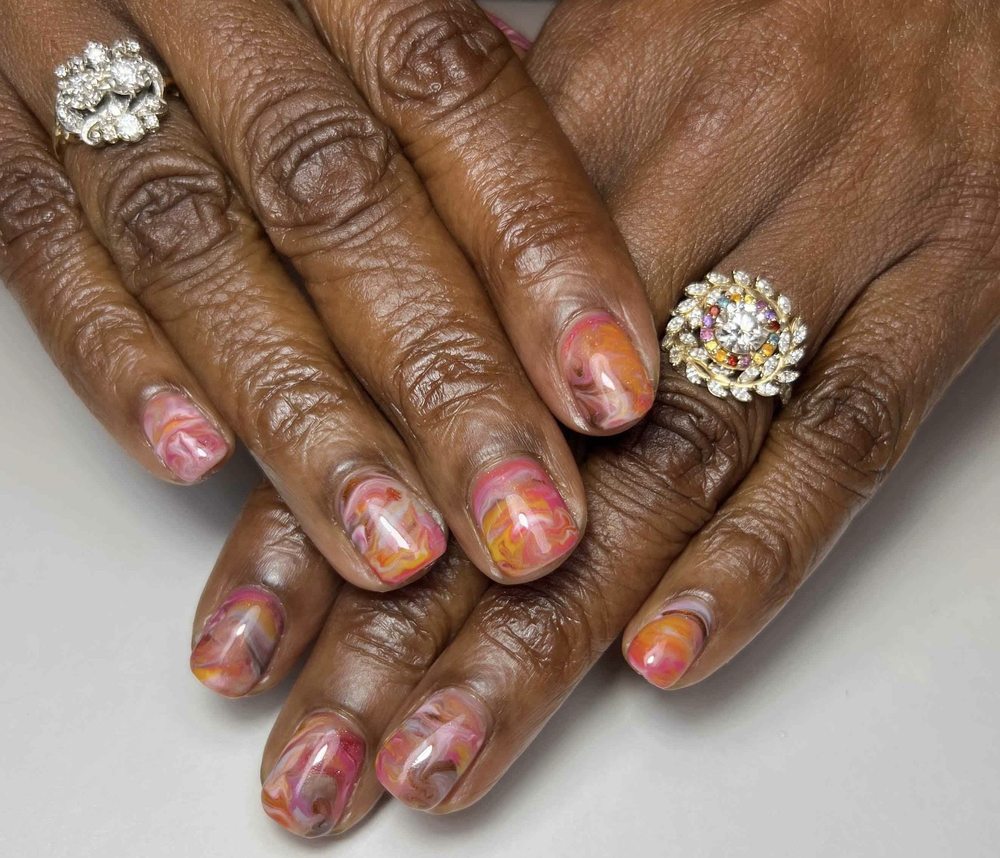
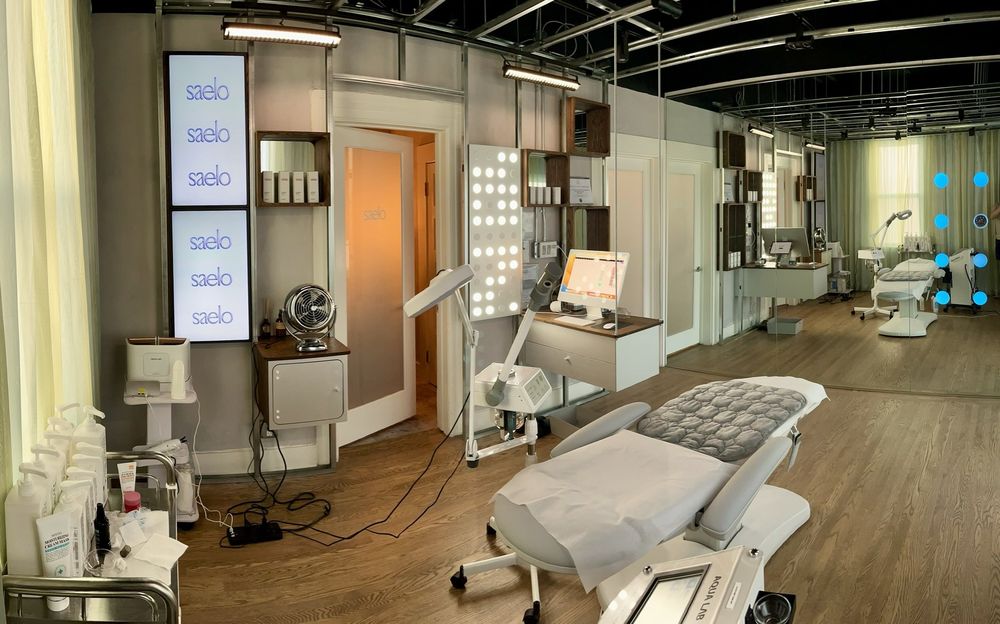
Explore popular things to do in the area, including PAIGE - San Francisco, Attirance Aesthetics, and The Nail Executive.
| Name | Category | Distance | Reviews |
Ratings by
Yelp
|
|---|---|---|---|---|
| Shopping | 0.15 miles | 5 reviews | 3.8/5 stars | |
| Beauty | 0.11 miles | 0 reviews | 0/5 stars | |
| Beauty | 0.12 miles | 25 reviews | 4.8/5 stars | |
| Beauty | 0.4 miles | 44 reviews | 5/5 stars | |
| Beauty | 0.48 miles | 4 reviews | 3.8/5 stars | |
|
|
||||
|
|
||||
|
|
||||
|
|
||||
|
|
||||
|
|