23,005 people live in Noe Valley, where the median age is 40 and the average individual income is $139,042. Data provided by the U.S. Census Bureau.
Total Population
Median Age
Population Density Population Density This is the number of people per square mile in a neighborhood.
Average individual Income
Noe Valley is one of San Francisco's most sought-after neighborhoods, and much of its appeal comes down to a rare combination the city doesn't often offer in one place: reliable sunshine, a genuinely walkable main street, and a quiet, residential calm that feels almost small-town. Tucked into a sheltered basin just south of the Castro and west of the Mission, it has earned its reputation as a "village within the city"—a place where you can run your daily errands on foot, know your baristas and shopkeepers by name, and still reach downtown in twenty minutes.
The neighborhood suits a specific kind of buyer especially well. Families are drawn to the calm streets, strong schools, and abundance of parks. Professionals and tech workers value the direct commute options south to Silicon Valley. And anyone tired of San Francisco's fog will appreciate that Noe Valley sits in one of the sunniest pockets in the entire city. What it offers, in short, is character without chaos—historic Victorian charm, a thriving independent commercial corridor, and a community that has held onto its identity even as home values have climbed into the millions.
The land that became Noe Valley began as part of Rancho San Miguel, a sprawling 4,443-acre Mexican land grant awarded in 1845 to Don José de Jesús Noé, the last Mexican alcalde (mayor) of Yerba Buena before the city was renamed San Francisco. Noé grazed cattle across terrain that reached from today's Castro all the way toward the Daly City line, and the neighborhood still carries his name.
The transformation from ranch land to residential grid began in 1854, when Mormon entrepreneur John Meirs Horner bought a large parcel from Noé, laid out a street grid, and named the tract Horner's Addition—a designation that still surfaces on local property deeds today. Over the following decades, public transit did the rest. The extension of the Castro Street cable car line in 1887 and the growth of transit along Church Street turned the agricultural valley floor into a practical streetcar suburb, putting downtown within reach of working families.
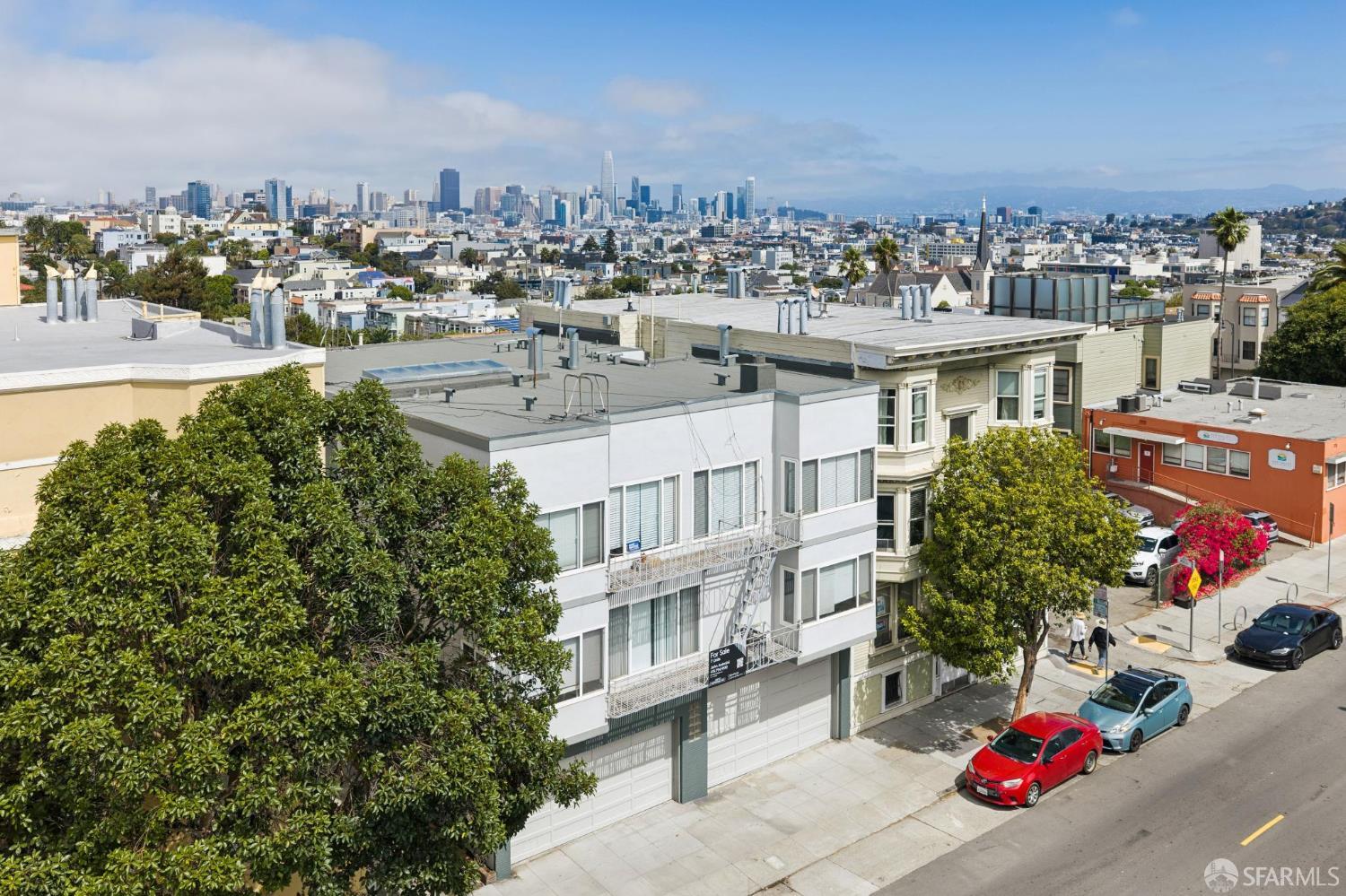
The 1906 earthquake proved to be a defining moment. Because Noe Valley sat far enough from the epicenter of the fires that devastated downtown, it escaped the worst destruction, and a building boom followed as predominantly Irish, German, and Italian blue-collar families put up the rows of Victorians and Edwardians that still line its streets. From the 1970s onward, the neighborhood gradually shifted from working-class enclave to a magnet for families, young professionals, and tech workers—the demographic mix that defines it now. That history is why Noe Valley today feels so architecturally intact: much of what was built after 1906 is still standing.
Noe Valley sits directly south of the Castro and west of the Mission, and its generally accepted boundaries run from 21st or 22nd Street in the north (bordering Eureka Valley and the Castro) down to 30th Street in the south (bordering Glen Park). To the east, Dolores or Guerrero Street marks the edge against the Mission, while Grand View Avenue and Diamond Heights Boulevard form the western boundary against Twin Peaks.
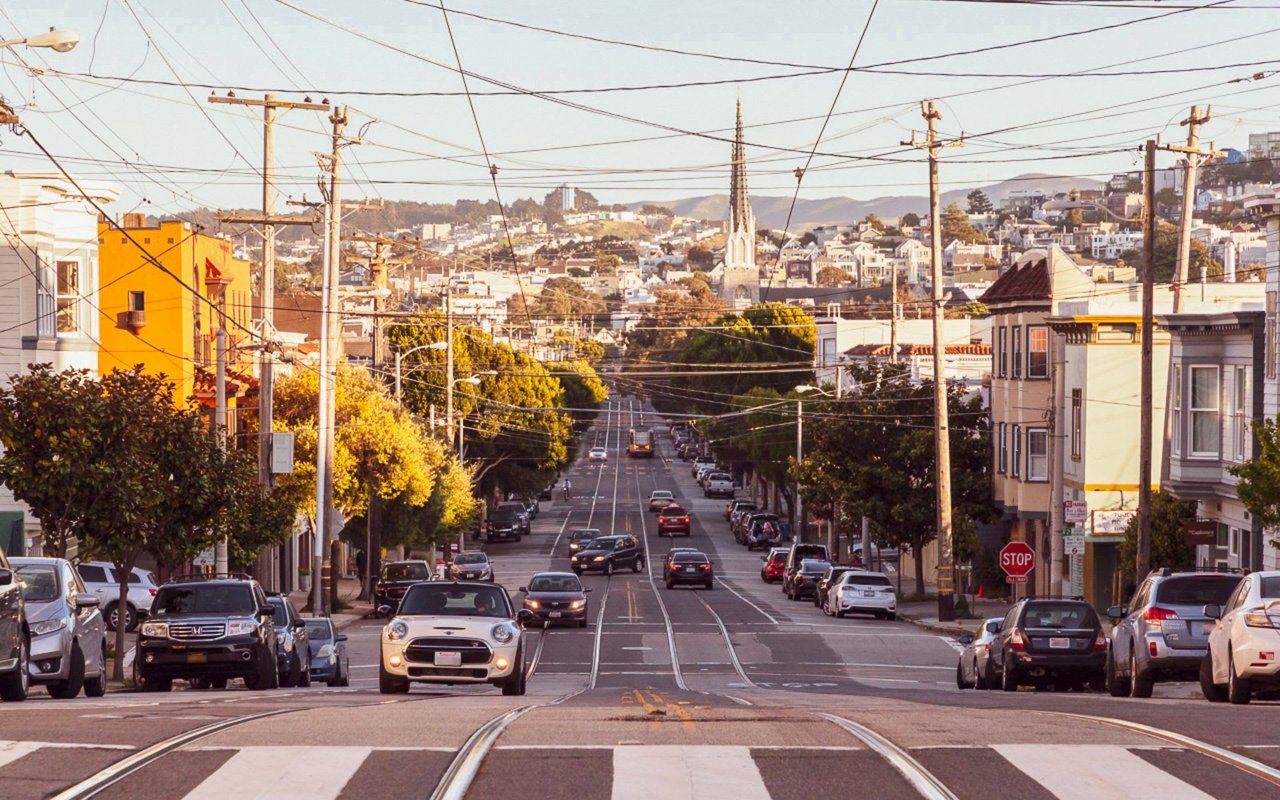
The neighborhood's transit backbone is the Muni J-Church line, a surface light rail that runs along Church Street and carries riders on a scenic route straight into the Market Street subway stations downtown. While BART doesn't run directly through Noe Valley, the 24th St Mission and Glen Park stations sit just outside the eastern and southern edges, reachable by a short ride on bus routes like the 24-Divisadero or 48-Quintara, or a brisk walk. For drivers, the neighborhood is unusually well positioned: I-280 is accessible via San Jose Avenue and 30th Street, and US-101 via Cesar Chavez Street, making Noe Valley a favorite among commuters heading down the Peninsula toward Silicon Valley.
On foot, the experience depends entirely on where you are. The central strip along 24th Street, between Church and Diamond, is flat and scores near-perfect for walkability—a complete main street of bakeries, cafés, bookstores, and shops. Step off that central grid, though, and the terrain rises sharply toward Grand View in the west and along the ridges to the north and south. The valley floor is a pleasure to walk; the surrounding slopes require real legwork.
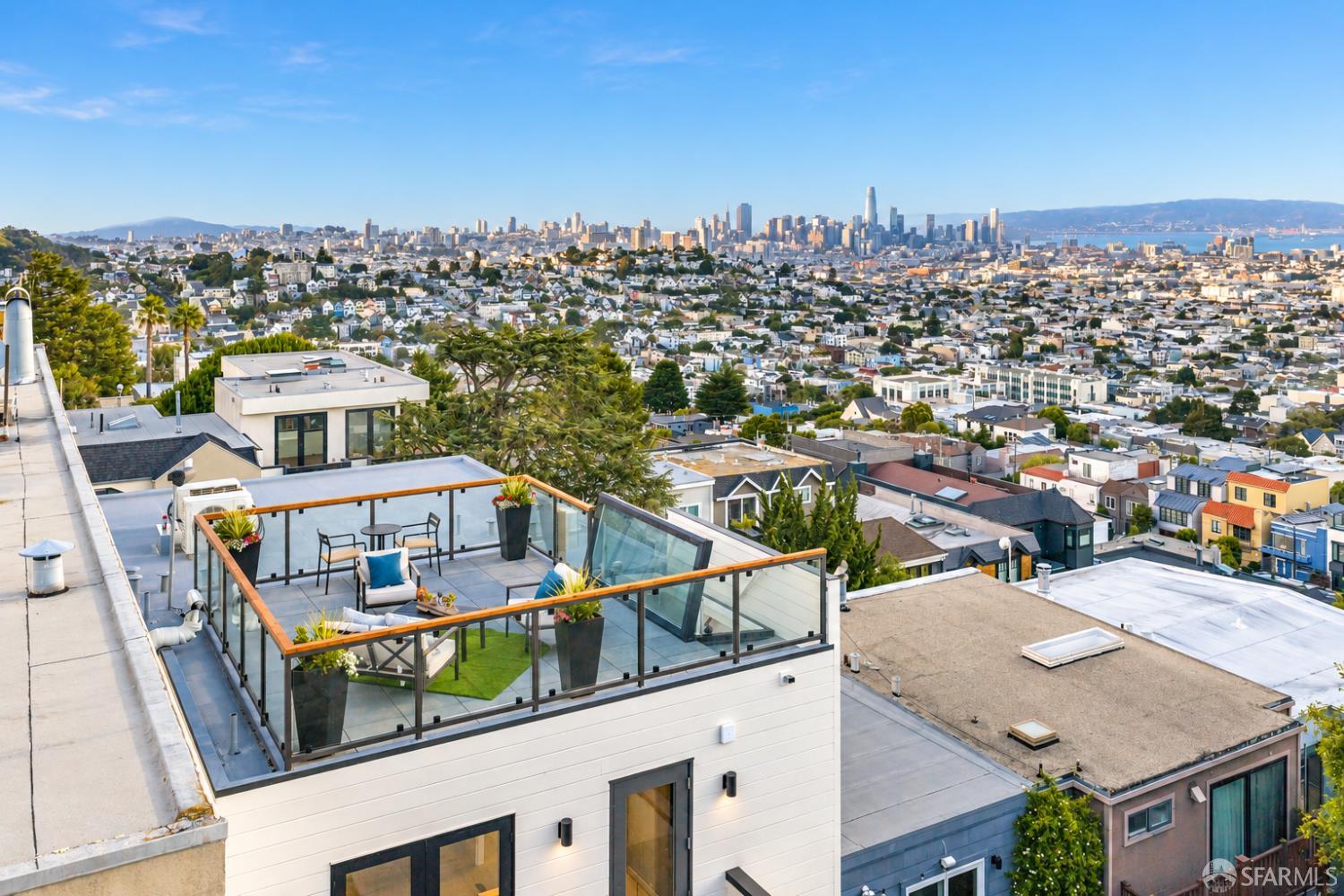
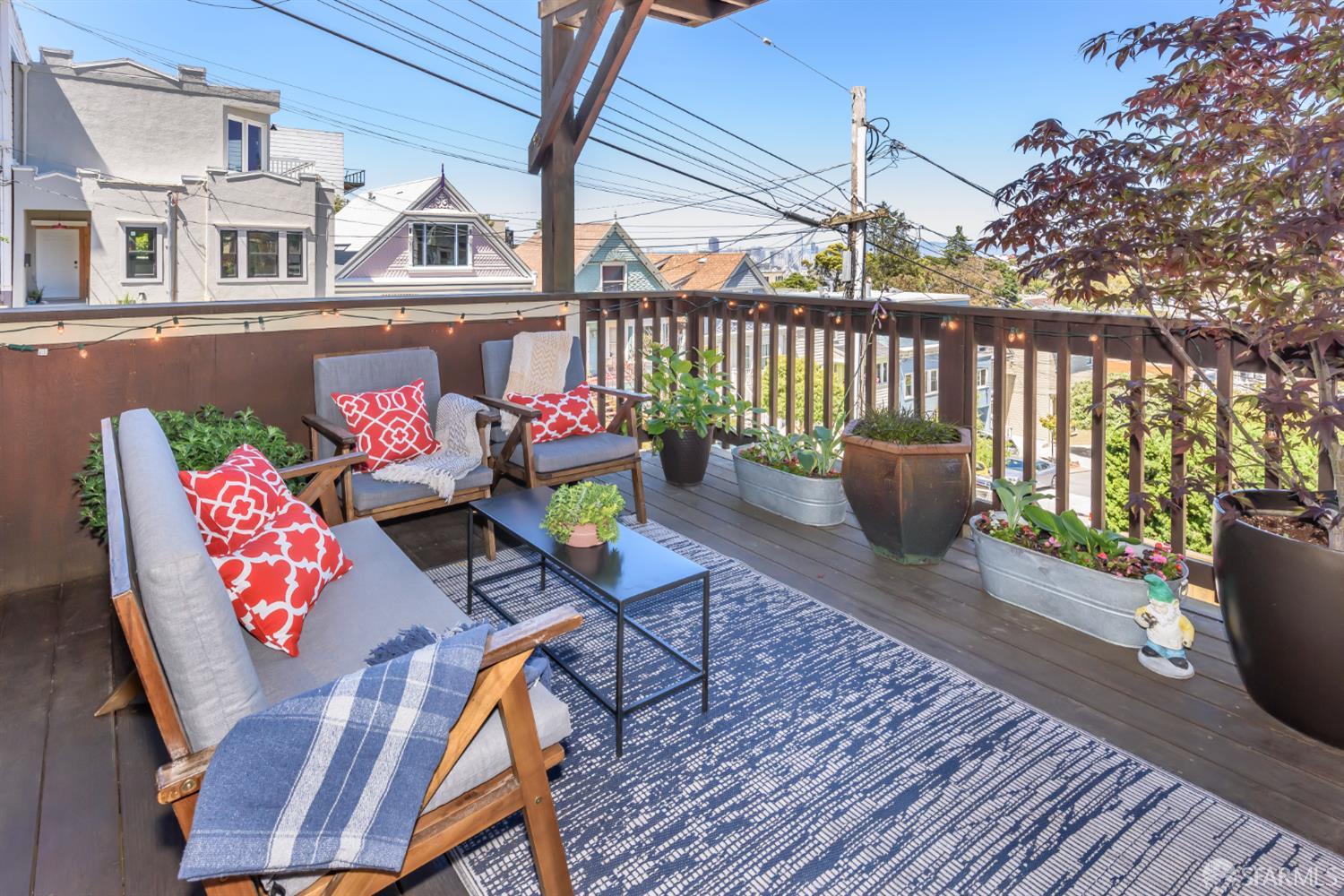
In a city famous for weather that changes block by block, Noe Valley holds one of the most coveted reputations of all: it is consistently among the sunniest, warmest, and most wind-sheltered neighborhoods in San Francisco. This is not local folklore—it's geography.
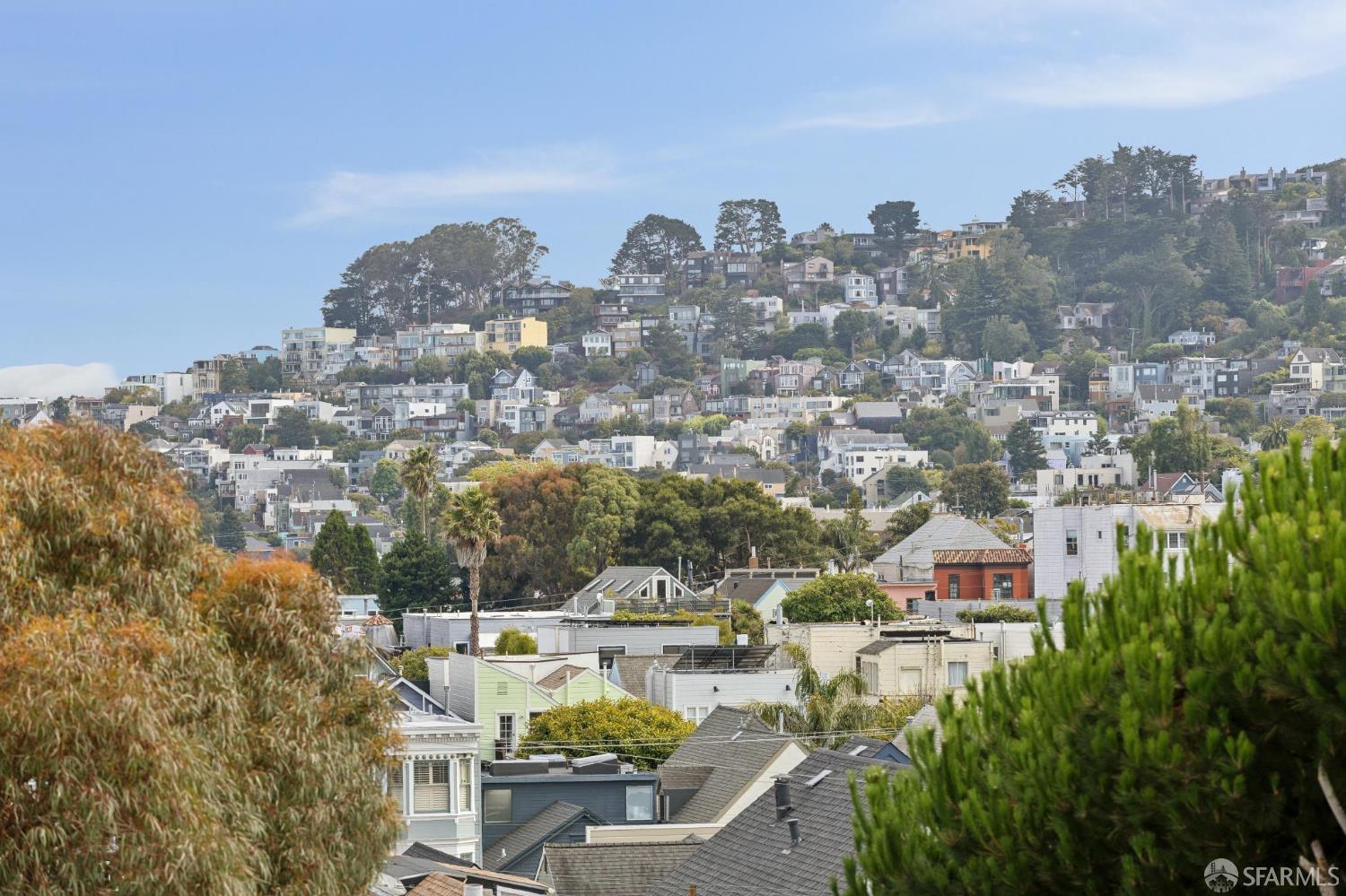
The neighborhood sits directly east of Twin Peaks and Diamond Heights, and those hills act as a physical wall. When cold Pacific fog and coastal wind push in from the west, the ridge blocks the low clouds and forces them to dissipate or ride over the top, creating what amounts to a rain shadow. The basin shape of the neighborhood compounds the effect, trapping warmth and sparing residents the harsh gusts that batter more exposed areas. The practical result is striking: on a summer afternoon when Karl the Fog blankets the Sunset and Richmond in a 55°F chill, Noe Valley frequently sits in the upper 60s or low 70s under clear blue sky. For many buyers, this single factor is reason enough to focus their search here.
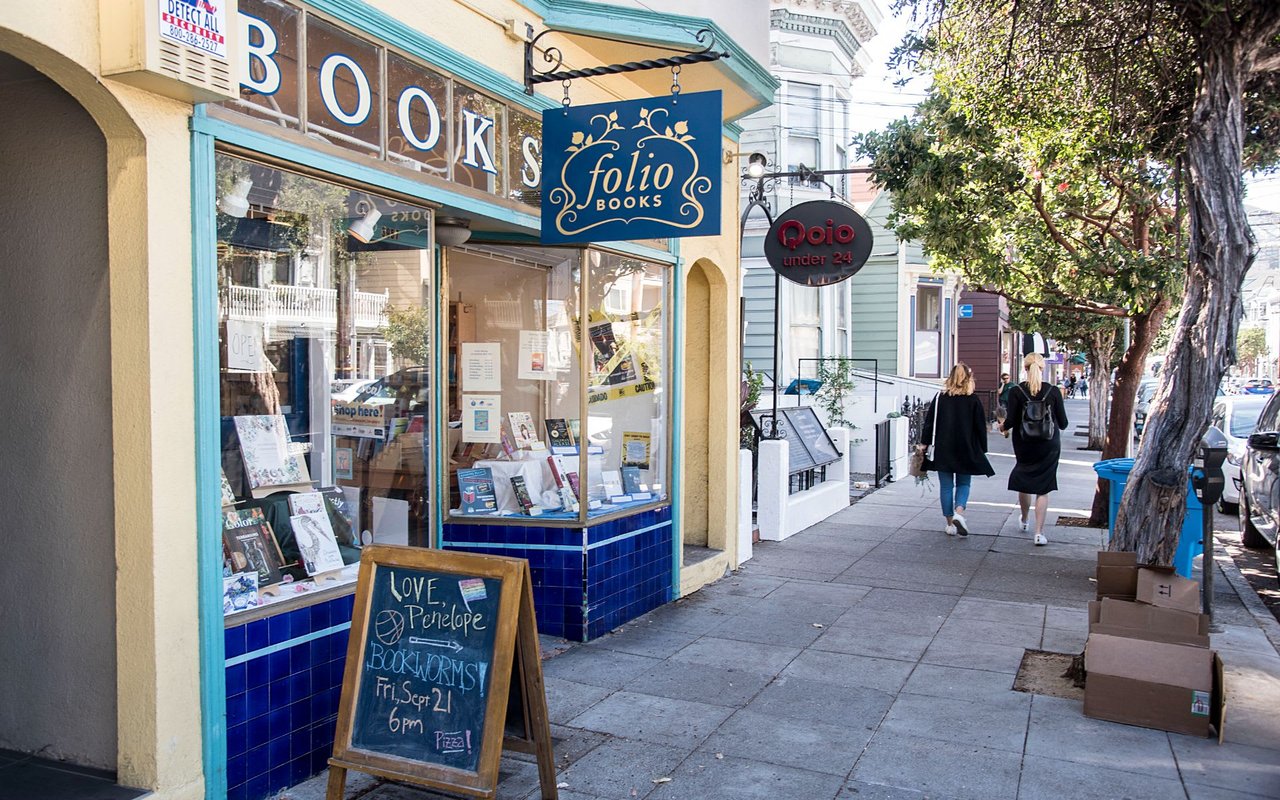
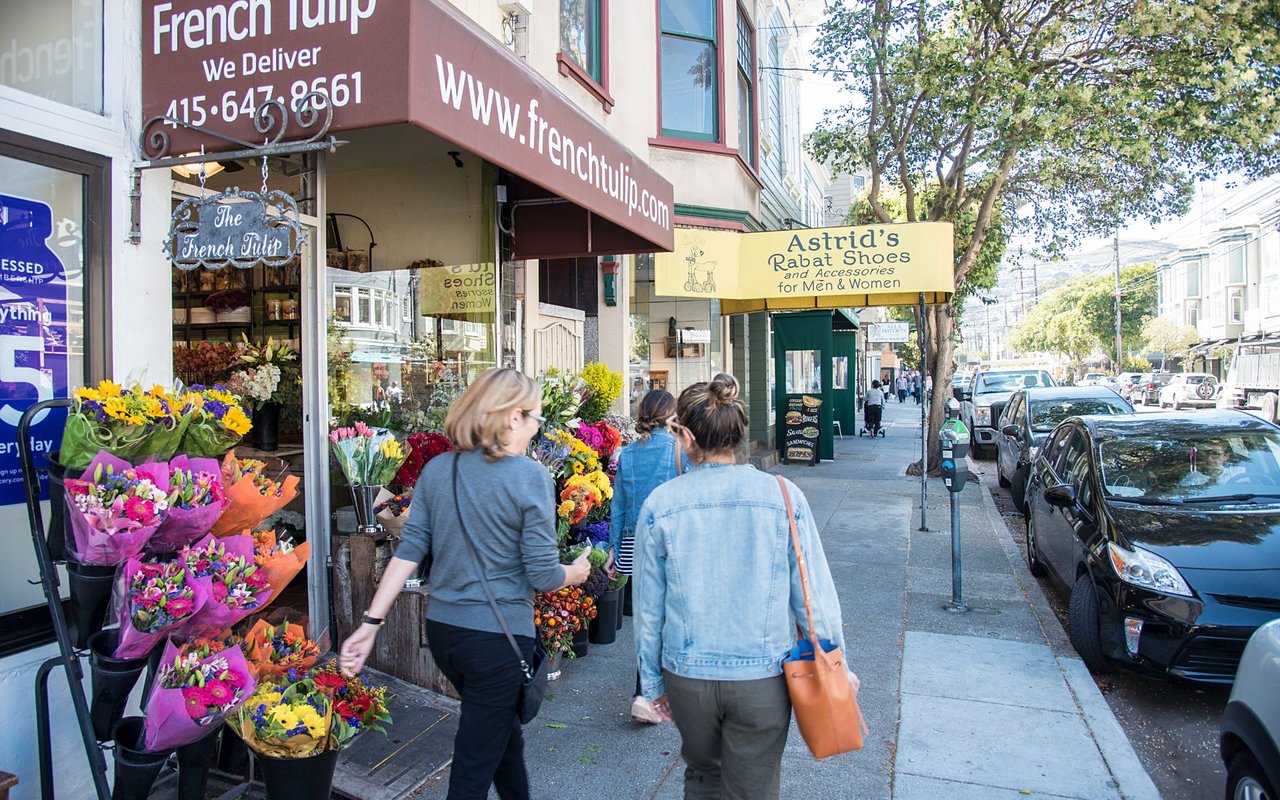
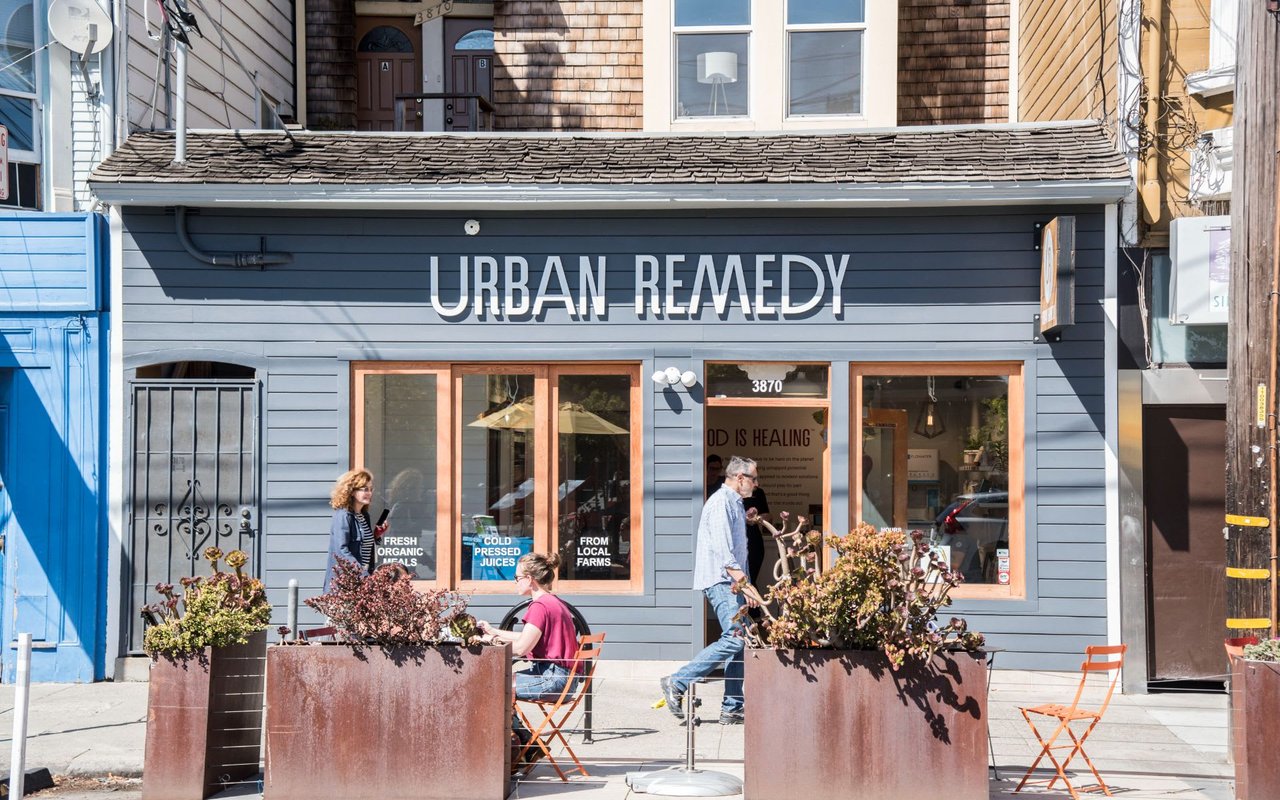
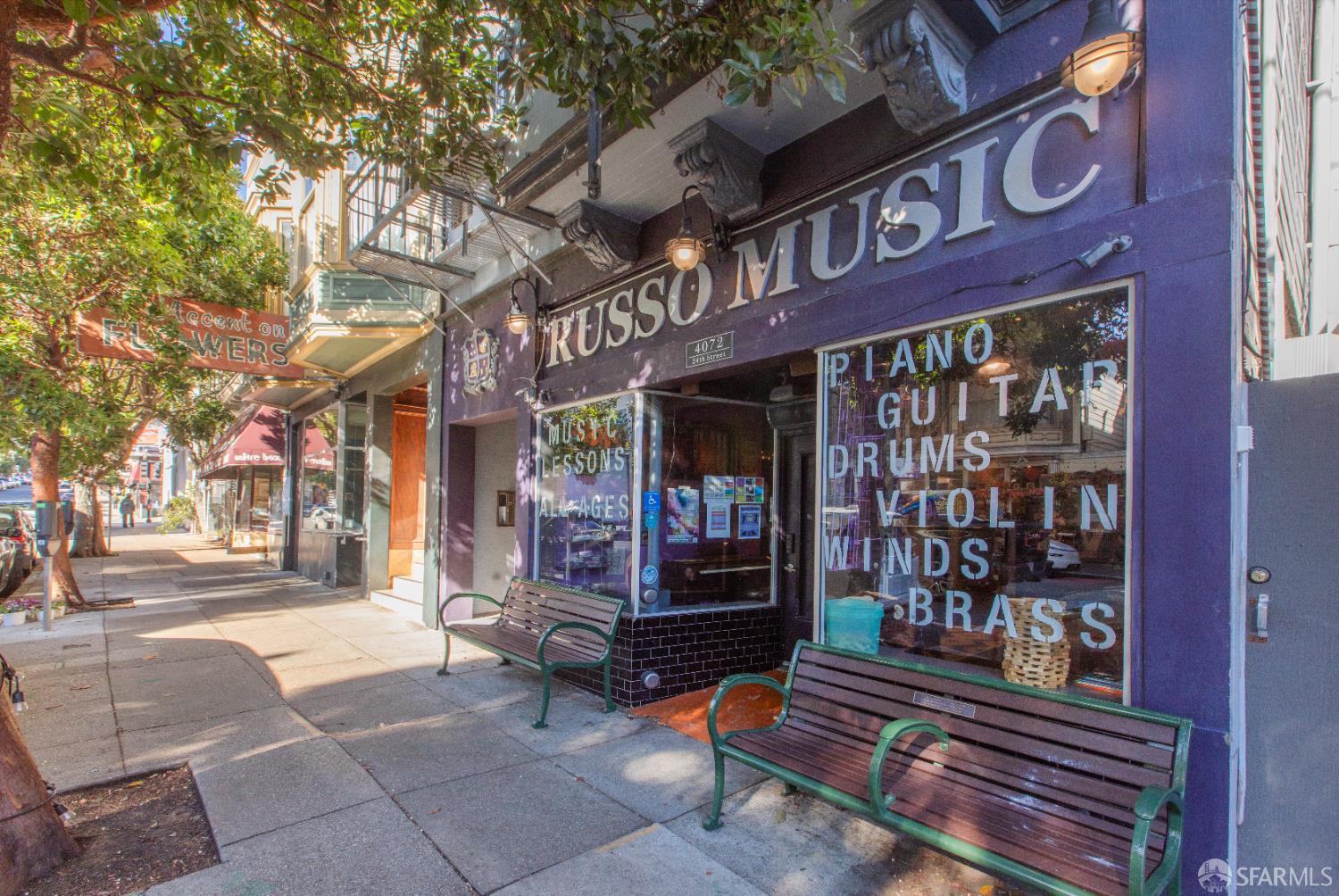
If Noe Valley has a living room, it's 24th Street. Running primarily between Church and Diamond, this corridor is the neighborhood's walkable main street, and it strikes a balance that's increasingly rare—polished neighborhood amenities layered over genuine small-town texture.
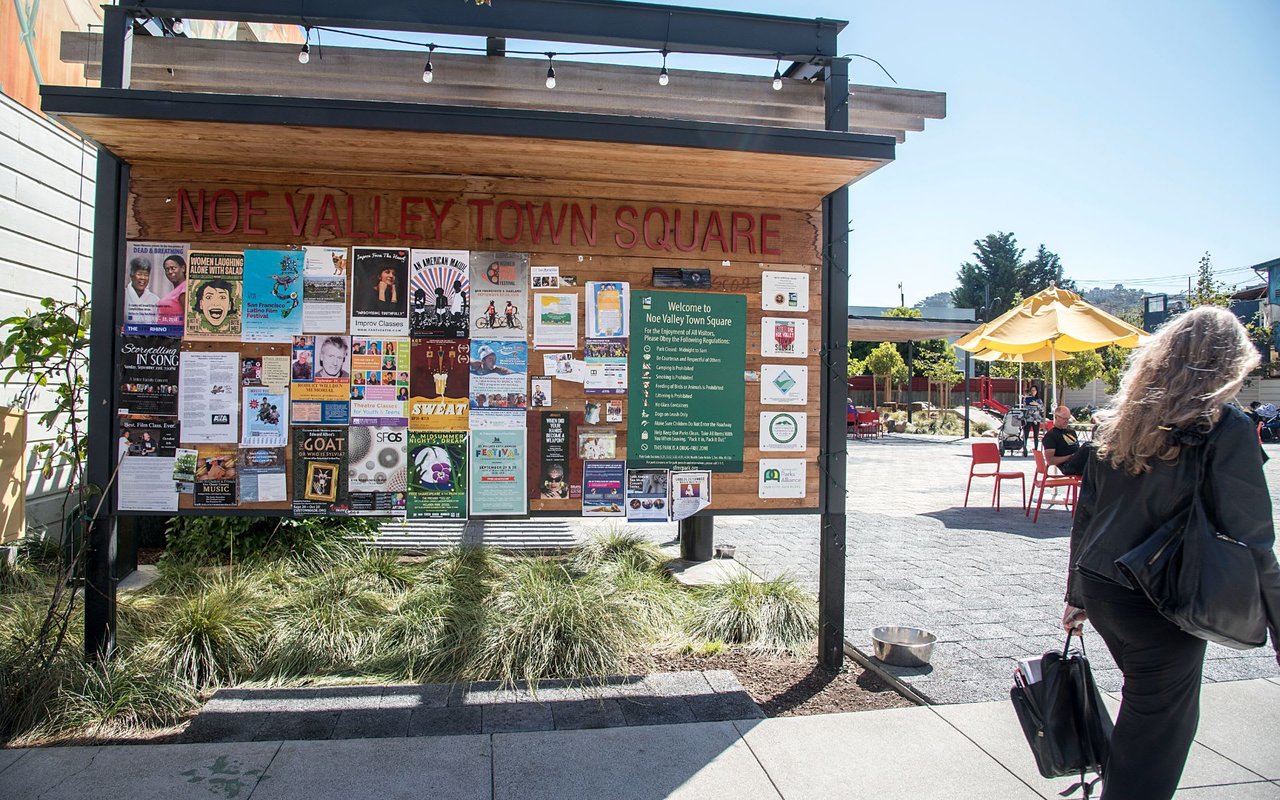
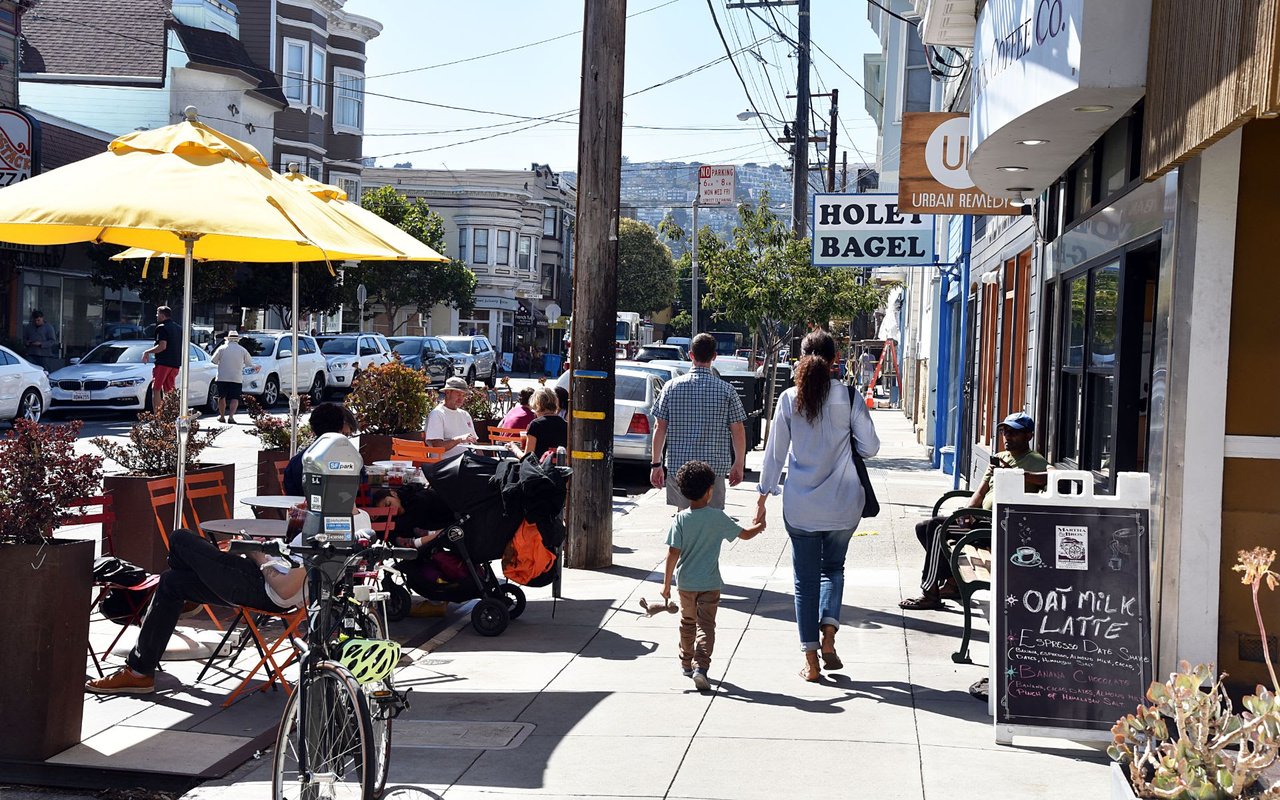
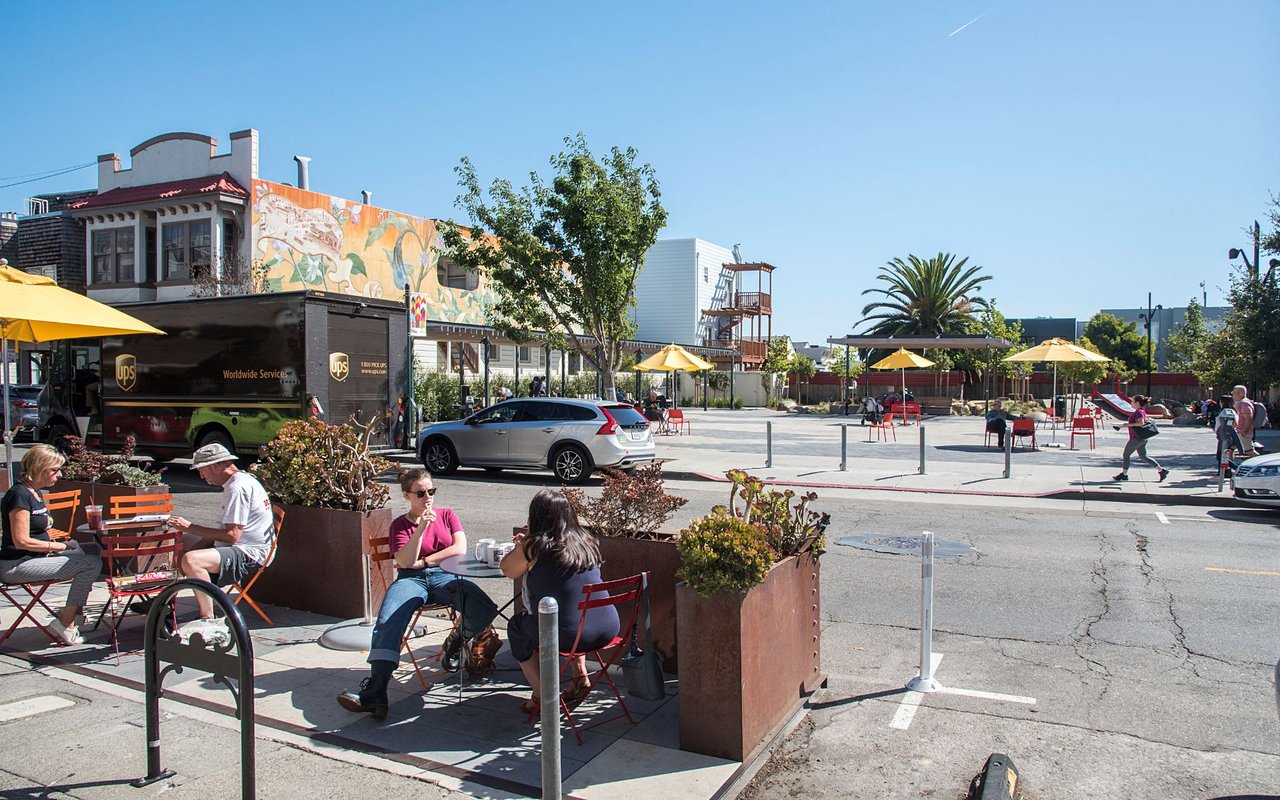
Part of what keeps the street distinctive is policy. San Francisco enforces strict formula-retail limits here, which has kept 24th Street overwhelmingly independent and free of the chain-store sameness that flattens so many commercial districts. What fills the space instead is a dense mix of cafés with sunny outdoor seating, artisan bakeries, family-friendly restaurants, specialty food shops, and boutiques. And right in the middle of it all, between Sanchez and Vicksburg, sits the Noe Valley Town Square—a public plaza that hosts community events, live acoustic music, outdoor yoga, and the hugely popular Saturday farmers' market. The street works, in other words, both as a place to shop and as the neighborhood's central gathering point.
Thanks to the city's restrictions on chain businesses, Noe Valley's food scene is almost entirely independent and locally owned—a collection of spots that have, in many cases, anchored the neighborhood for decades.
Mornings revolve around a handful of landmarks. Noe Valley Bakery, a neighborhood icon since 1995, draws weekend lines out the door for its artisan breads, pastries, and custom cakes. Chloe's Café, a longtime staple on 26th Street, is beloved for classic breakfast and lunch—its banana walnut pancakes have a local following of their own. And Philz Coffee, on the corner of 24th and Sanchez, serves its customized hand-poured drips and iced mint mojitos in a spacious, sun-soaked setting that stays busy all day.
For lunch and dinner, the range is wider than the neighborhood's quiet reputation might suggest. NOVY, a sleek family-run bistro at 24th and Noe, turns out Greek-inspired dishes alongside craft beer and wine in a bright, airy room. Saru Sushi Bar is tiny and consistently ranked among the best sushi in the city—its small footprint means waits are common, but locals consider it worth every minute. And Firefly, on upper 24th Street, has served warm, upscale American comfort food in a homey setting for decades, the kind of place that becomes a standing reservation for regulars.
Noe Valley's retail leans directly into the neighborhood's family-focused, creative character, and its most beloved shops tend to be the ones that have been around long enough to become institutions.
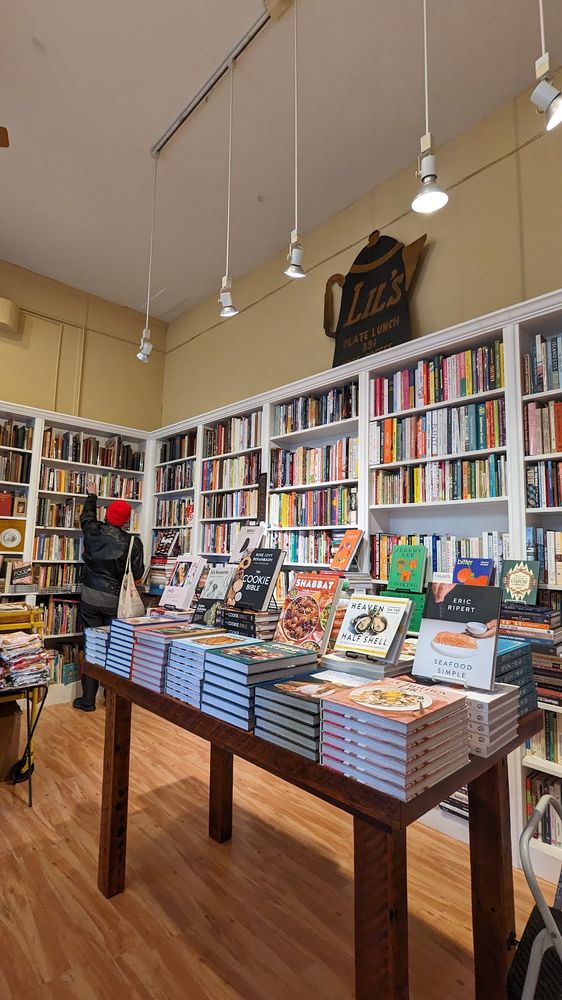
Chief among them is Omnivore Books on Food, housed in a historic pharmacy building just off 24th on Castro Street and devoted entirely to new, vintage, and antiquarian cookbooks and food writing. It regularly hosts talks by world-renowned chefs and has become a destination well beyond the neighborhood. Nearby, Just For Fun has been a 24th Street fixture for nearly four decades, stocking toys, games, art supplies, stationery, and quirky gifts, while WINK SF offers a more design-forward mix of modern gifts, home accents, and jewelry with a lighthearted sensibility.
The neighborhood's family orientation shows clearly in shops like Small Frys, an independent children's boutique operating on 24th Street since 1984, carrying clothing, shoes, and accessories for babies and young kids. For food, the Noe Valley Cheese Company rounds out the picture with artisan cheeses, cured meats, olives, and specialty pantry goods—exactly what you'd want for a picnic in one of the neighborhood's many parks.
For a neighborhood this dense and central, Noe Valley offers a genuinely strong lineup of outdoor space—from tucked-away playgrounds to full recreation facilities and quick access to some of the city's larger green expanses.
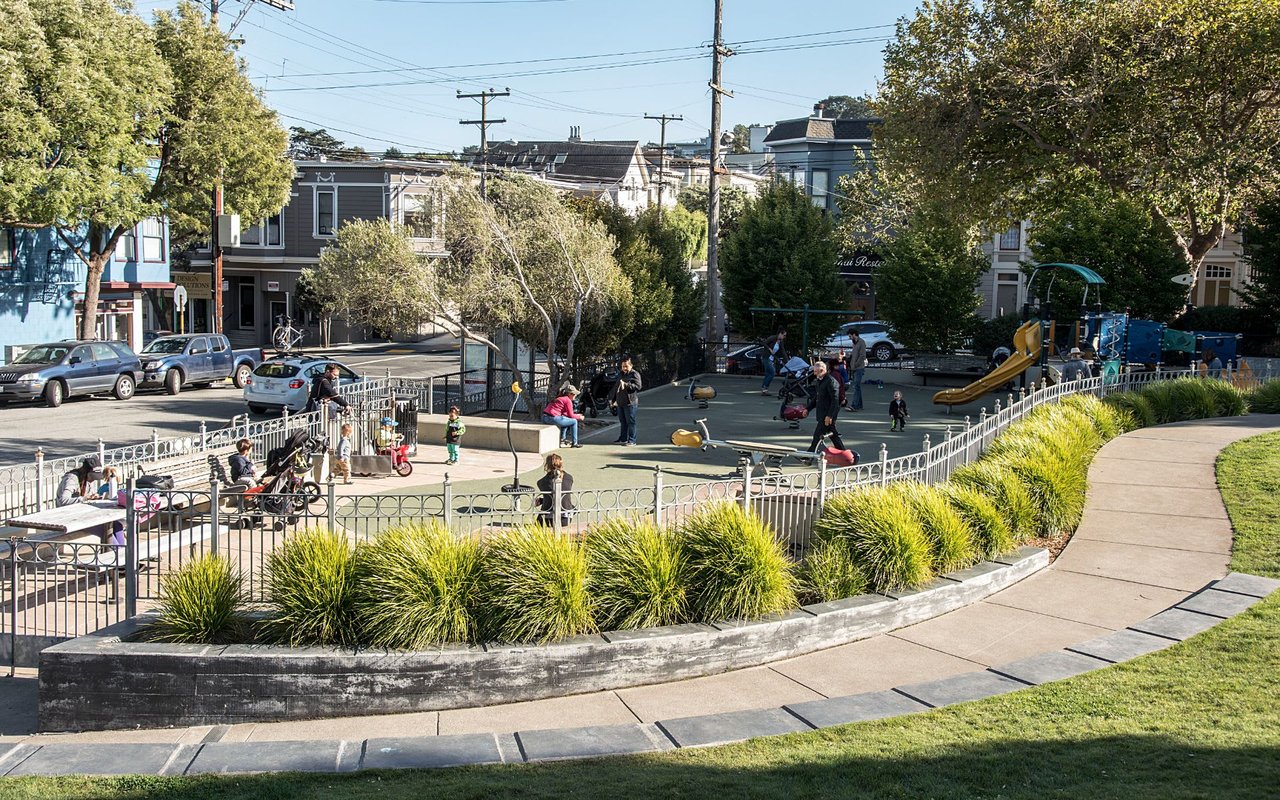
Douglass Playground, set into the western slope at 26th and Douglass, combines a modern children's playground with a lawn, a dog play zone, and tennis and pickleball courts, all with scenic neighborhood views. At the southern edge, the Upper Noe Recreation Center at 30th and Sanchez functions as a true community hub, with an indoor gymnasium, a popular fenced dog run known as Joby's Dog Park, a renovated playground, a baseball diamond, and outdoor basketball courts. Closer to the center of things, the Noe Valley Town Square on 24th Street serves as the neighborhood's open-air gathering place and the home of the Saturday farmers' market.
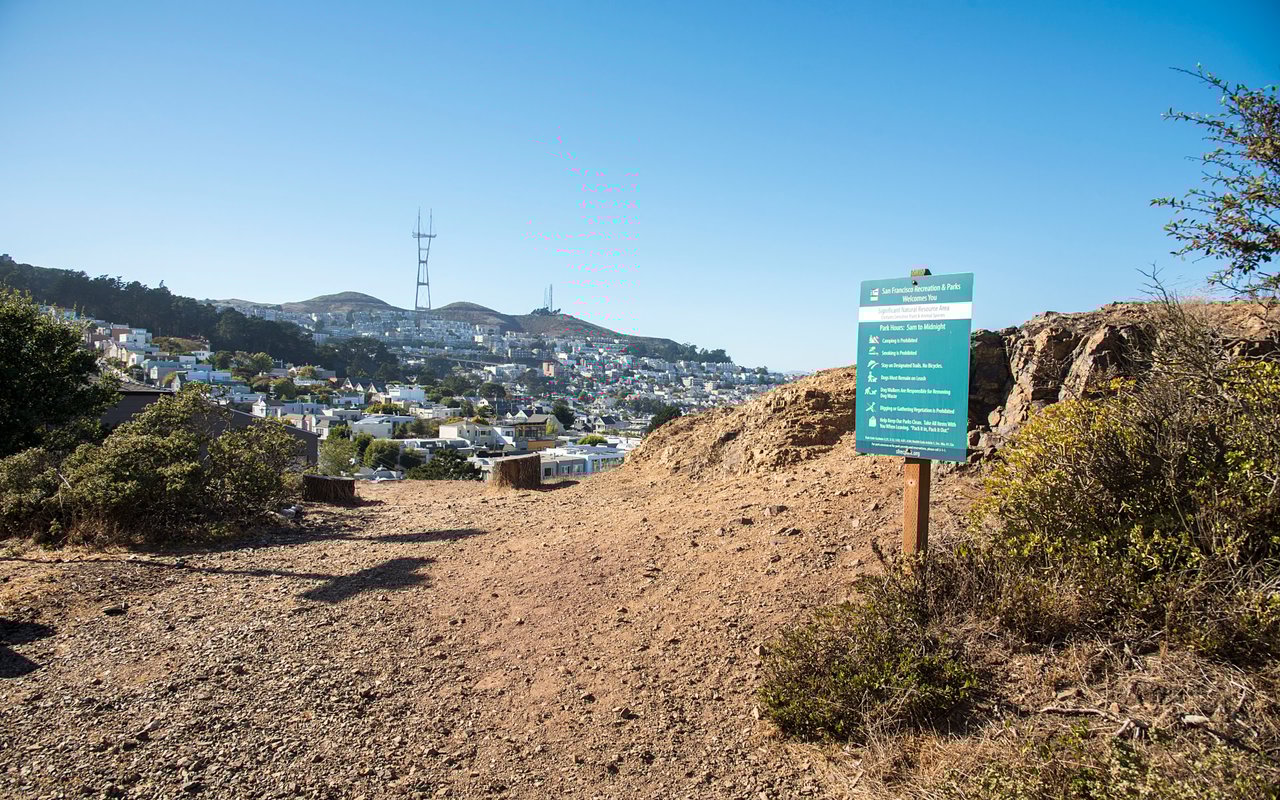
And when residents want more room to roam, two larger parks sit just beyond the borders: Mission Dolores Park to the northeast, perennially packed on sunny days, and Glen Canyon Park to the south, a 70-acre stretch of wild native canyon with real hiking trails—a genuine pocket of nature minutes from the front door.
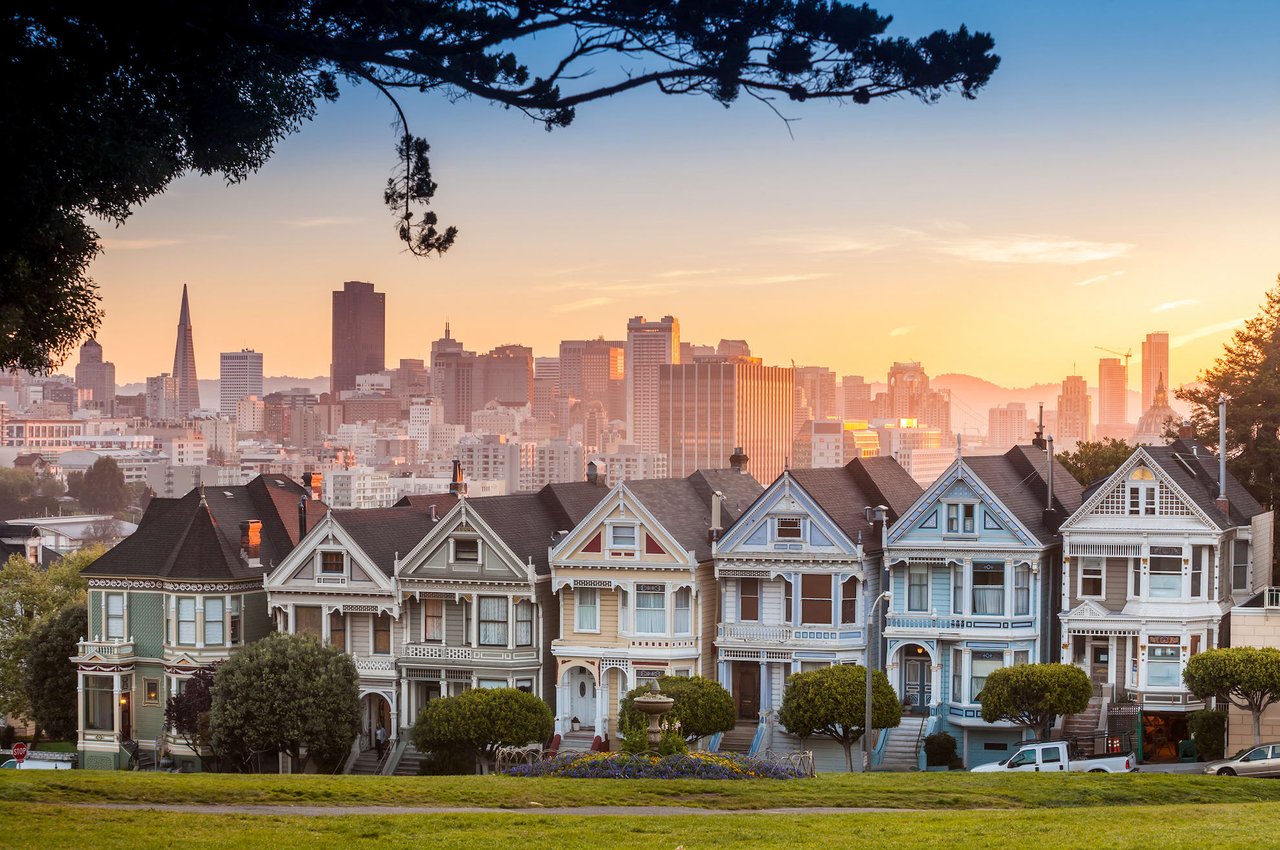
Noe Valley holds one of the most intact collections of late-19th and early-20th-century residential architecture in San Francisco, and the reason traces directly back to 1906: because the neighborhood was largely spared the fires that followed the earthquake, much of its original building stock survived to be preserved rather than rebuilt.
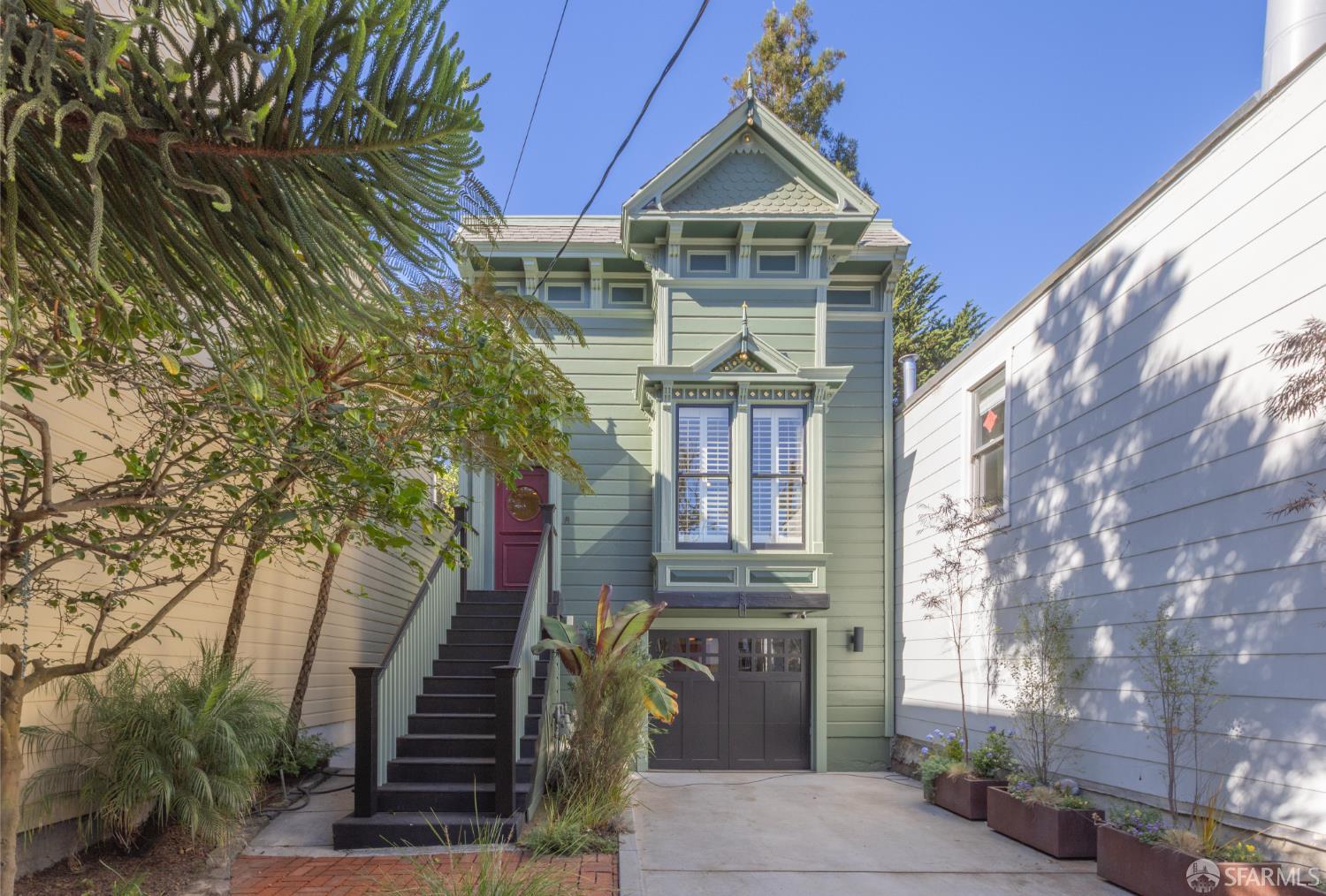
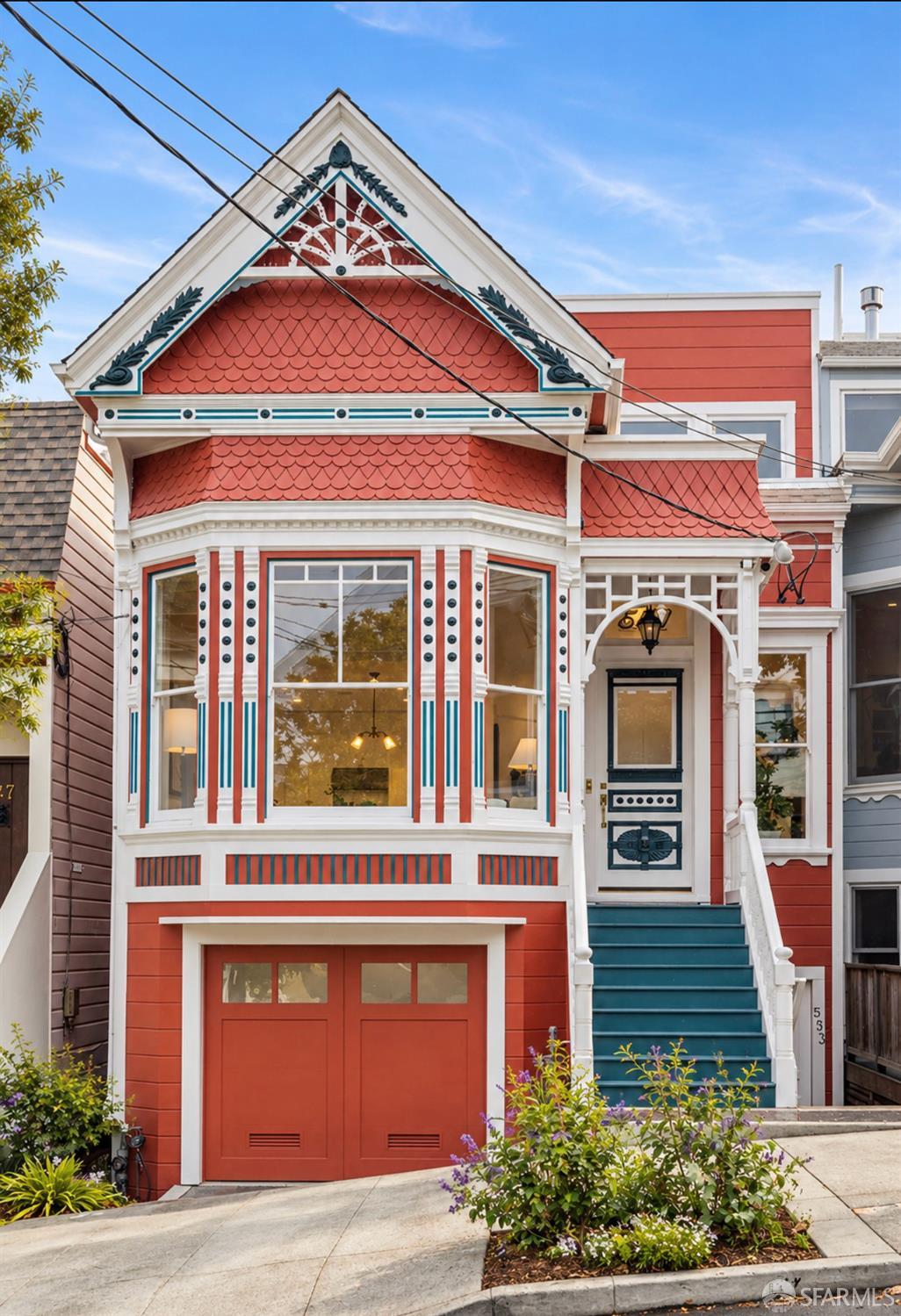
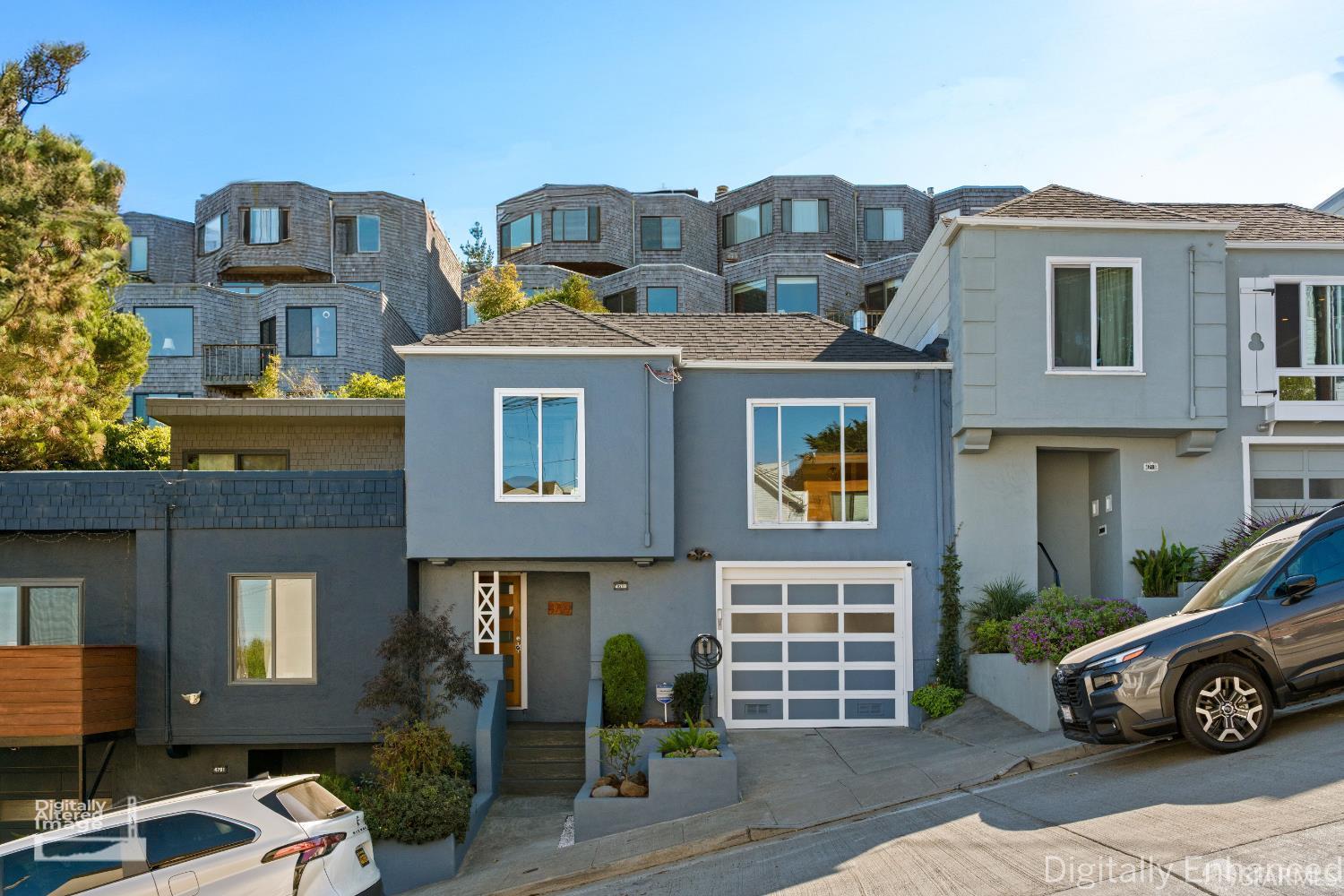
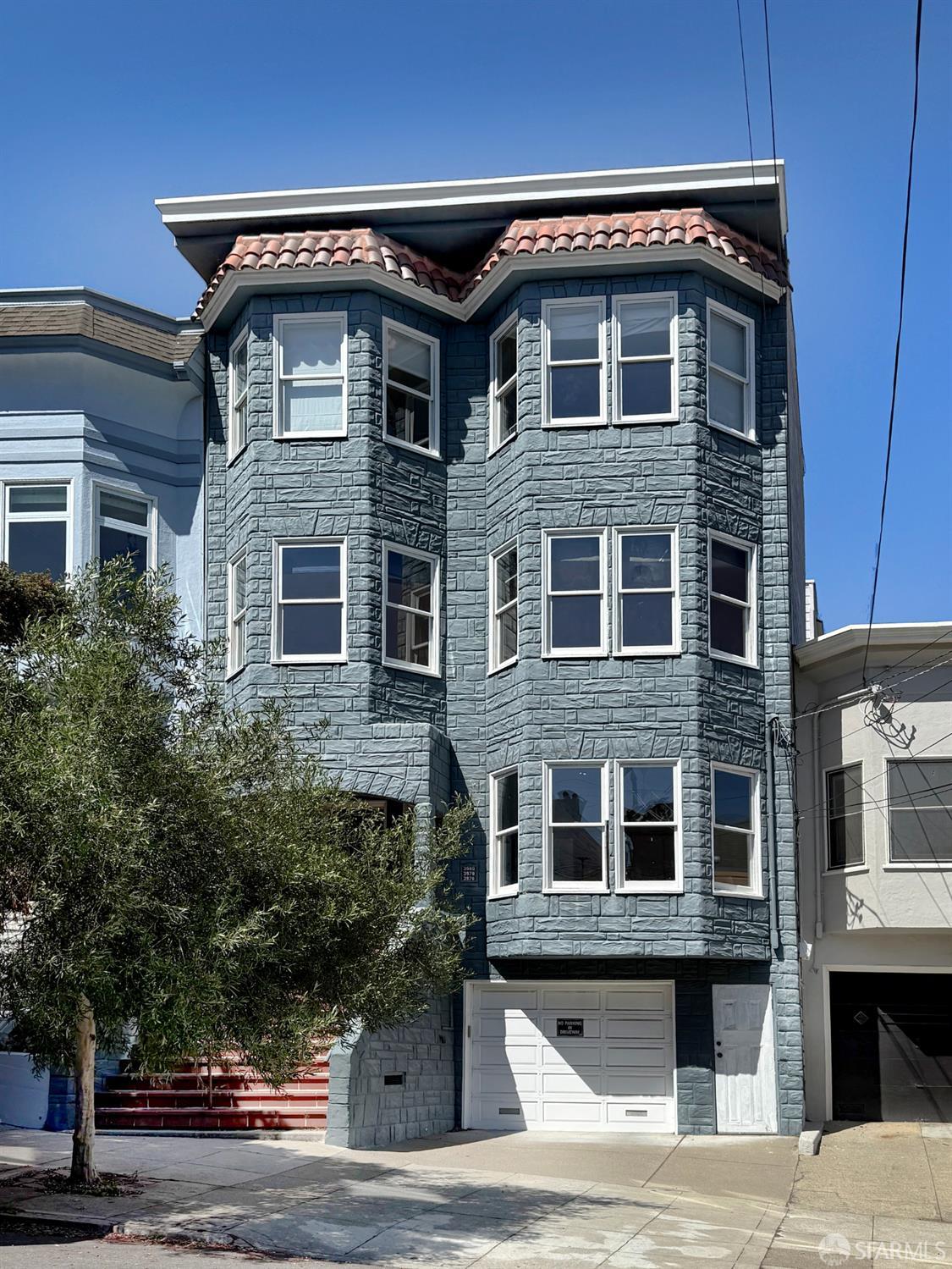
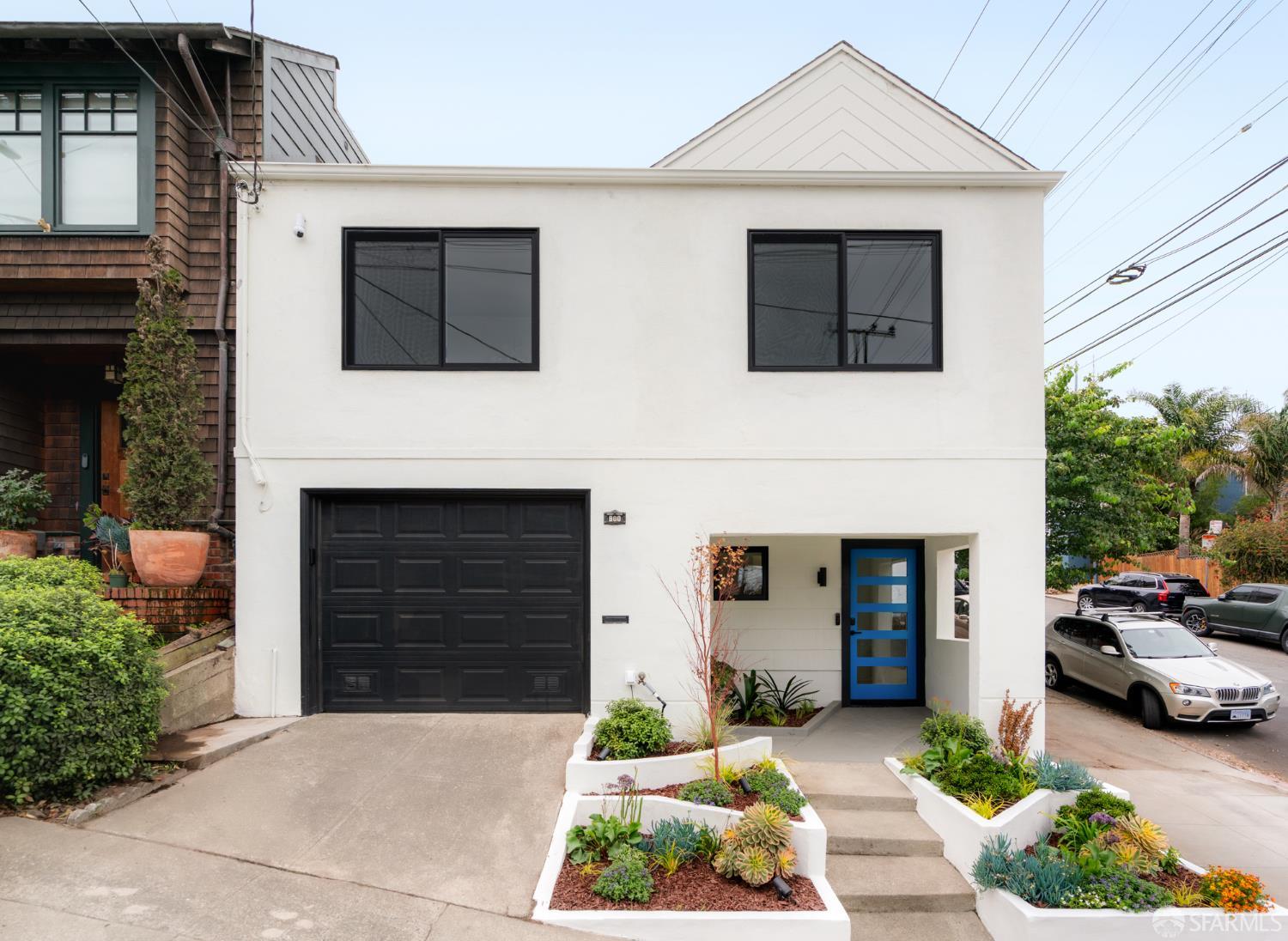
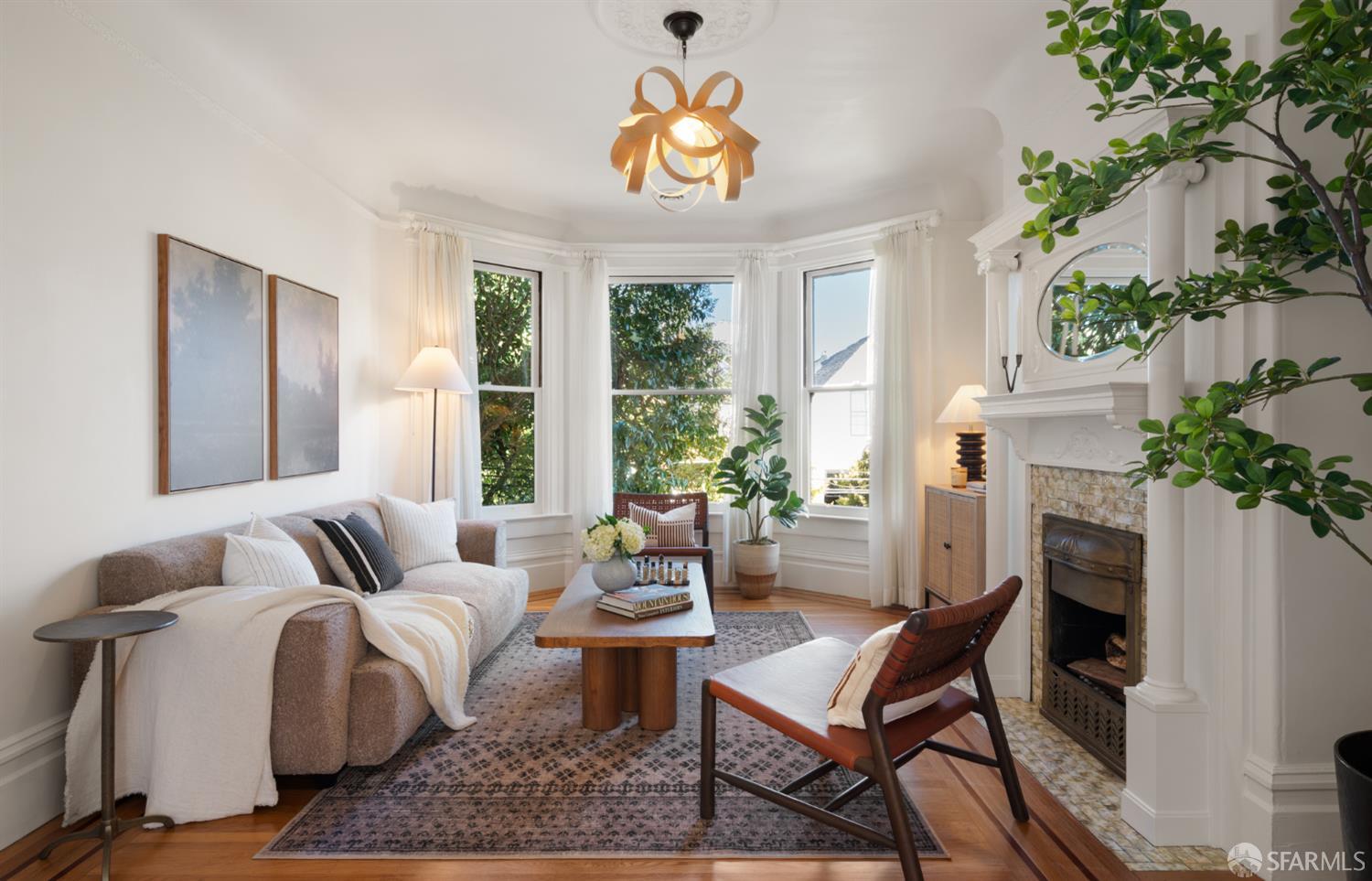
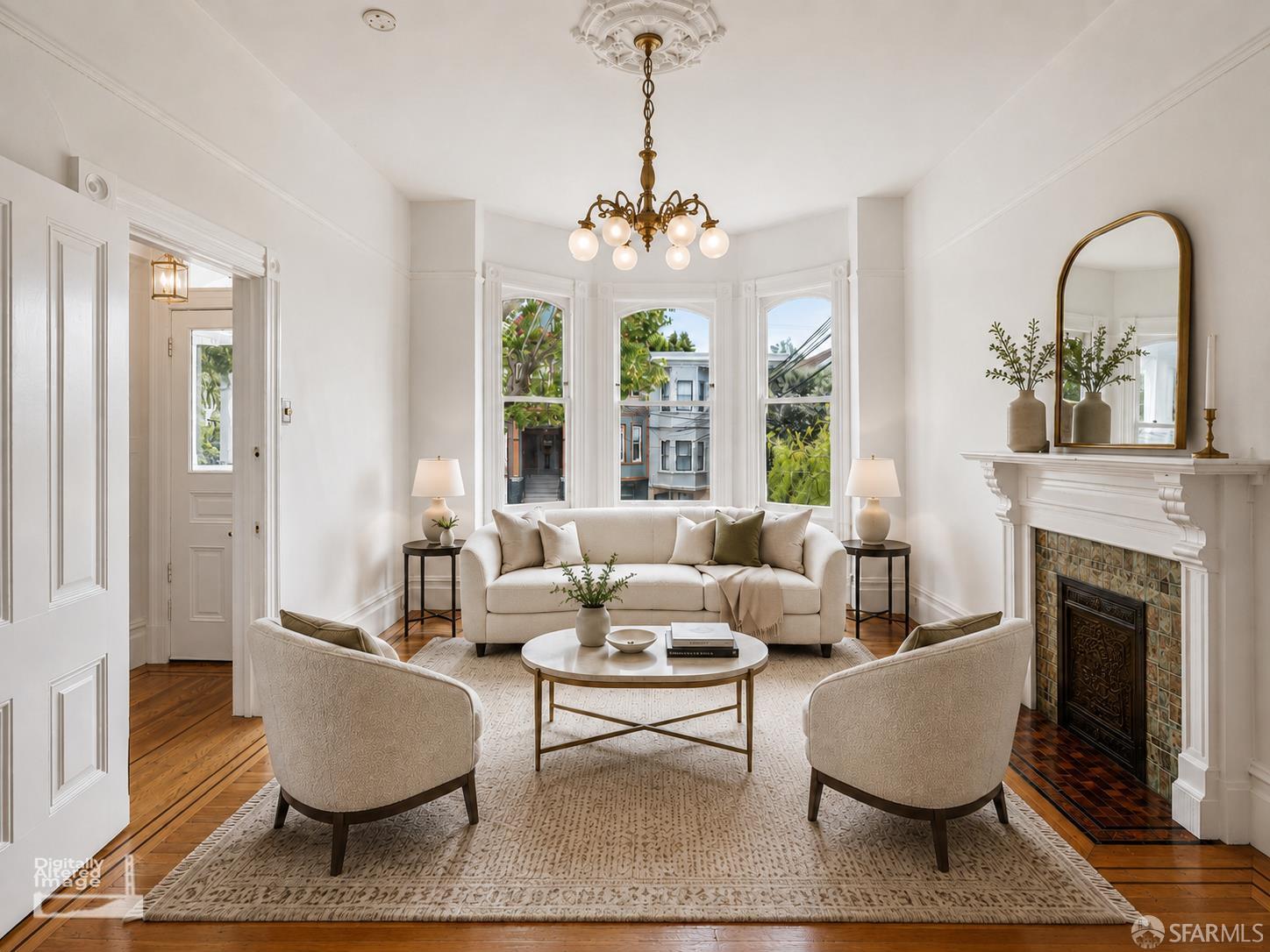
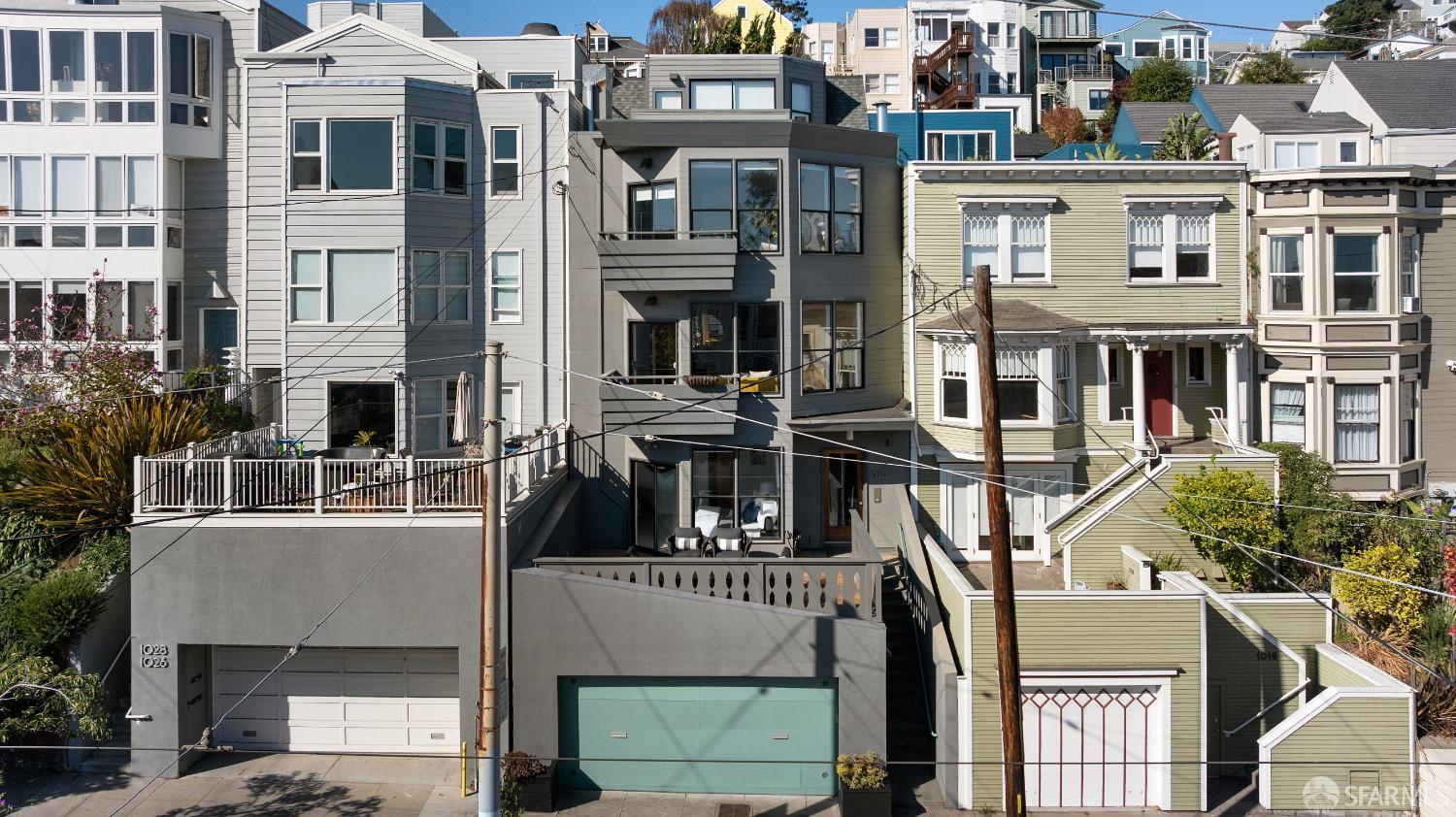
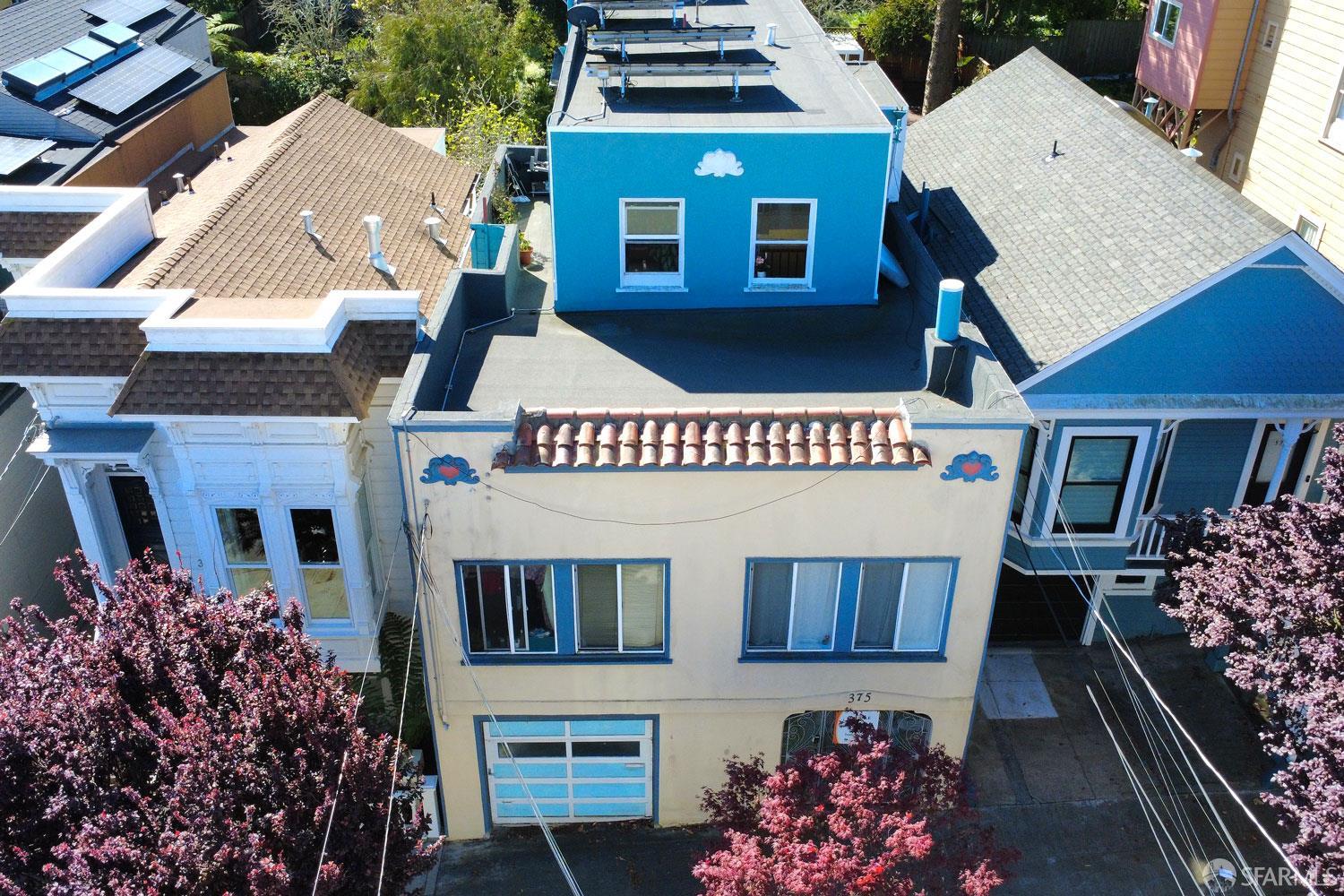
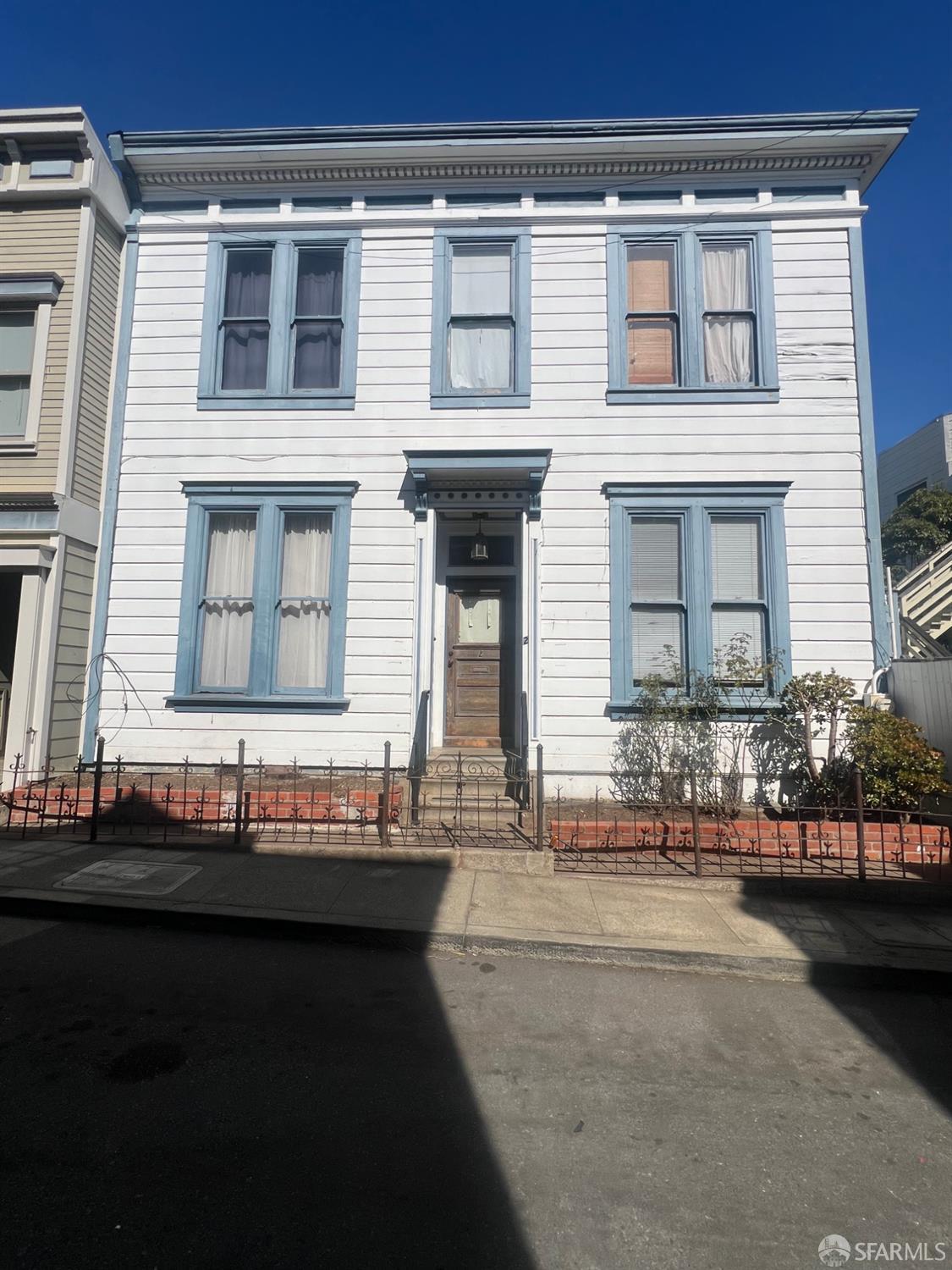
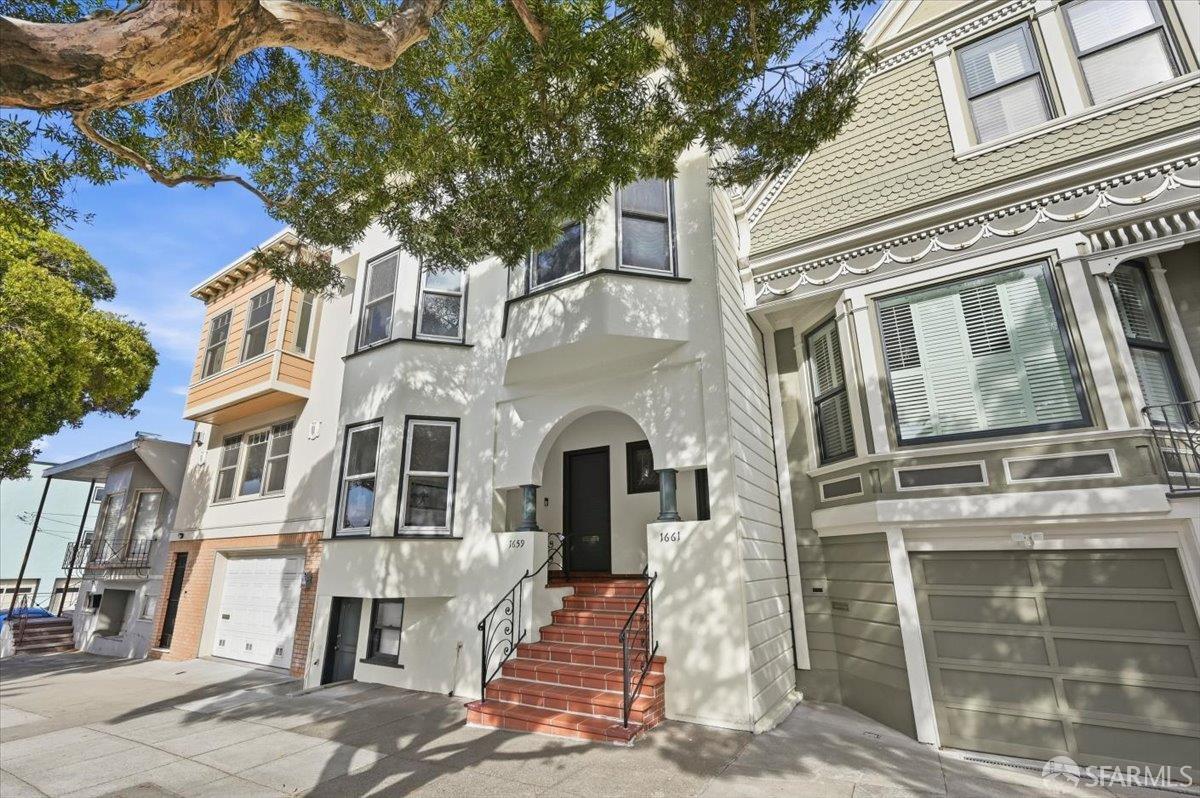
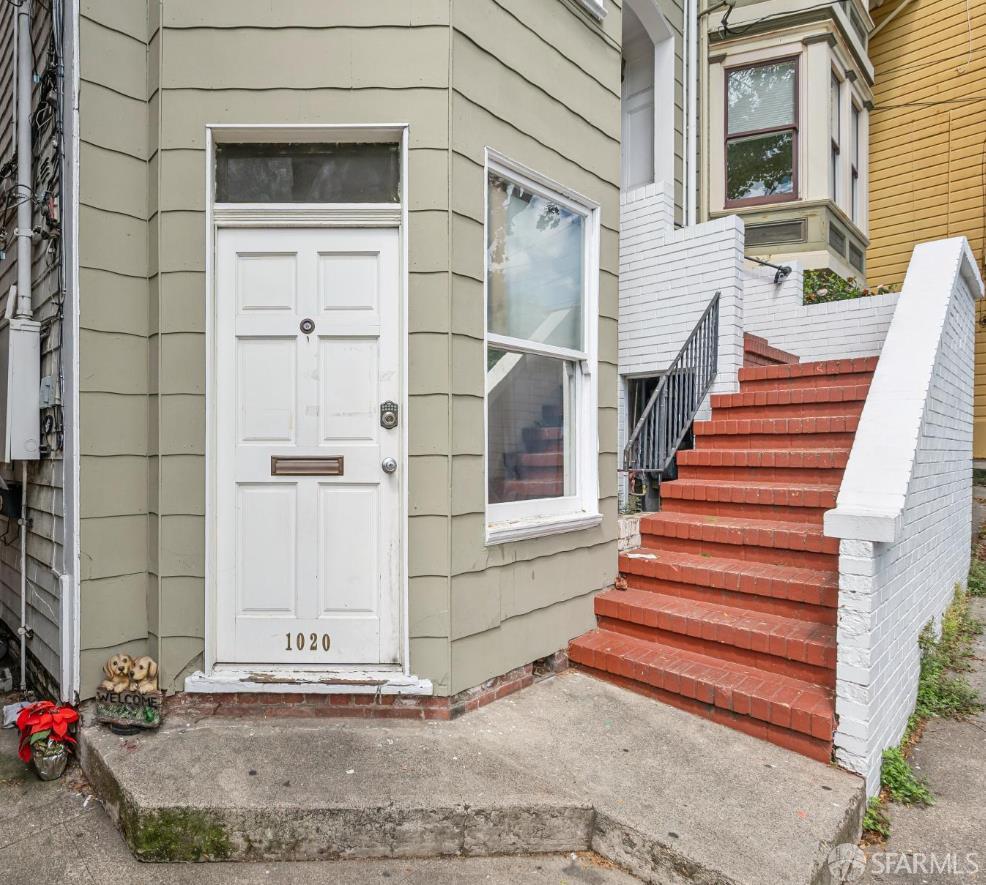
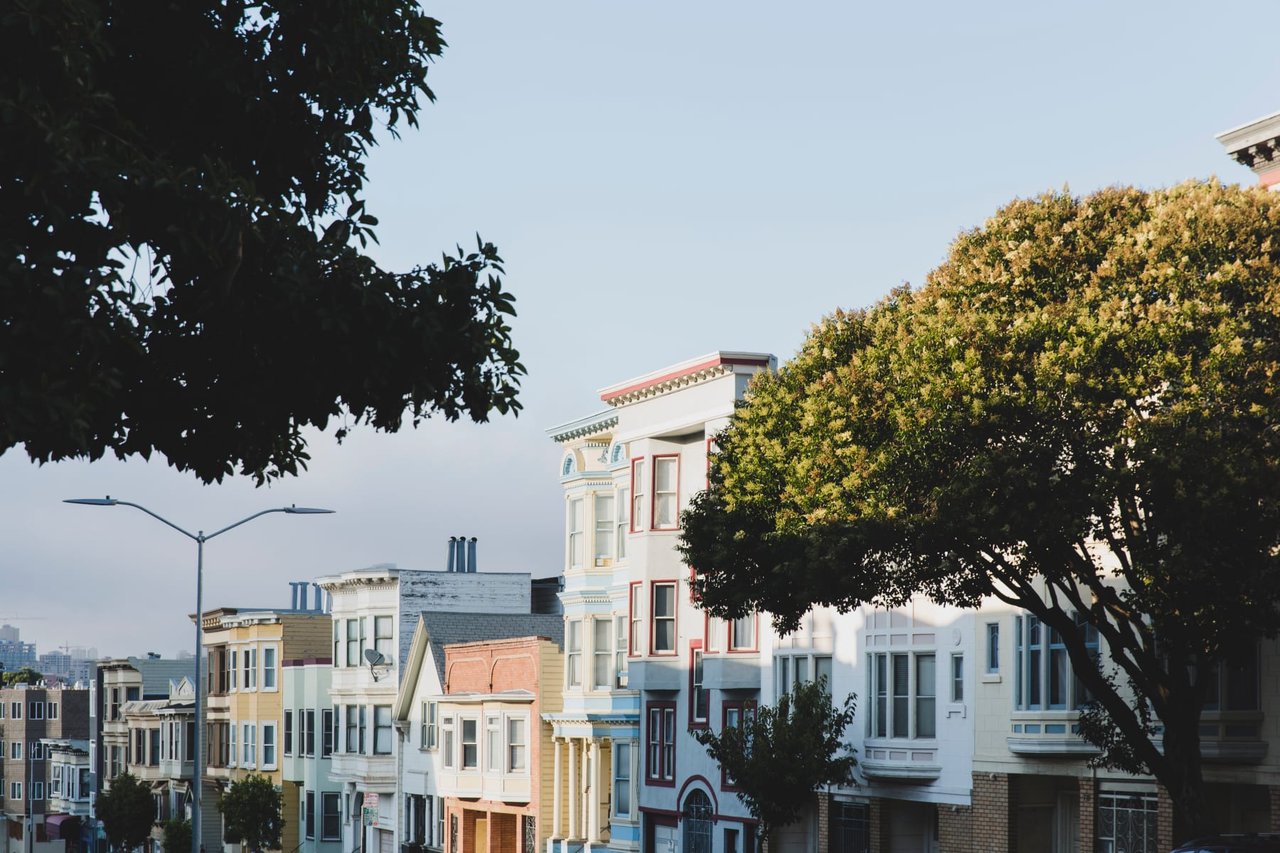
The dominant styles reflect the eras of that building boom. Victorians from the 1870s through the 1890s—particularly Italianate homes with their flat roofs, tall narrow windows, and bracketed cornices, and Stick/Eastlake houses with patterned woodwork and geometric trim—line many of the flatter streets. Edwardian homes from the 1900s and 1910s, built during the post-earthquake rebuilding push, tend toward slightly wider footprints, cleaner lines, prominent bay windows, and grand entry staircases. Scattered among these historic facades are 1960s and '70s infill homes and, increasingly, ultra-modern remodels.
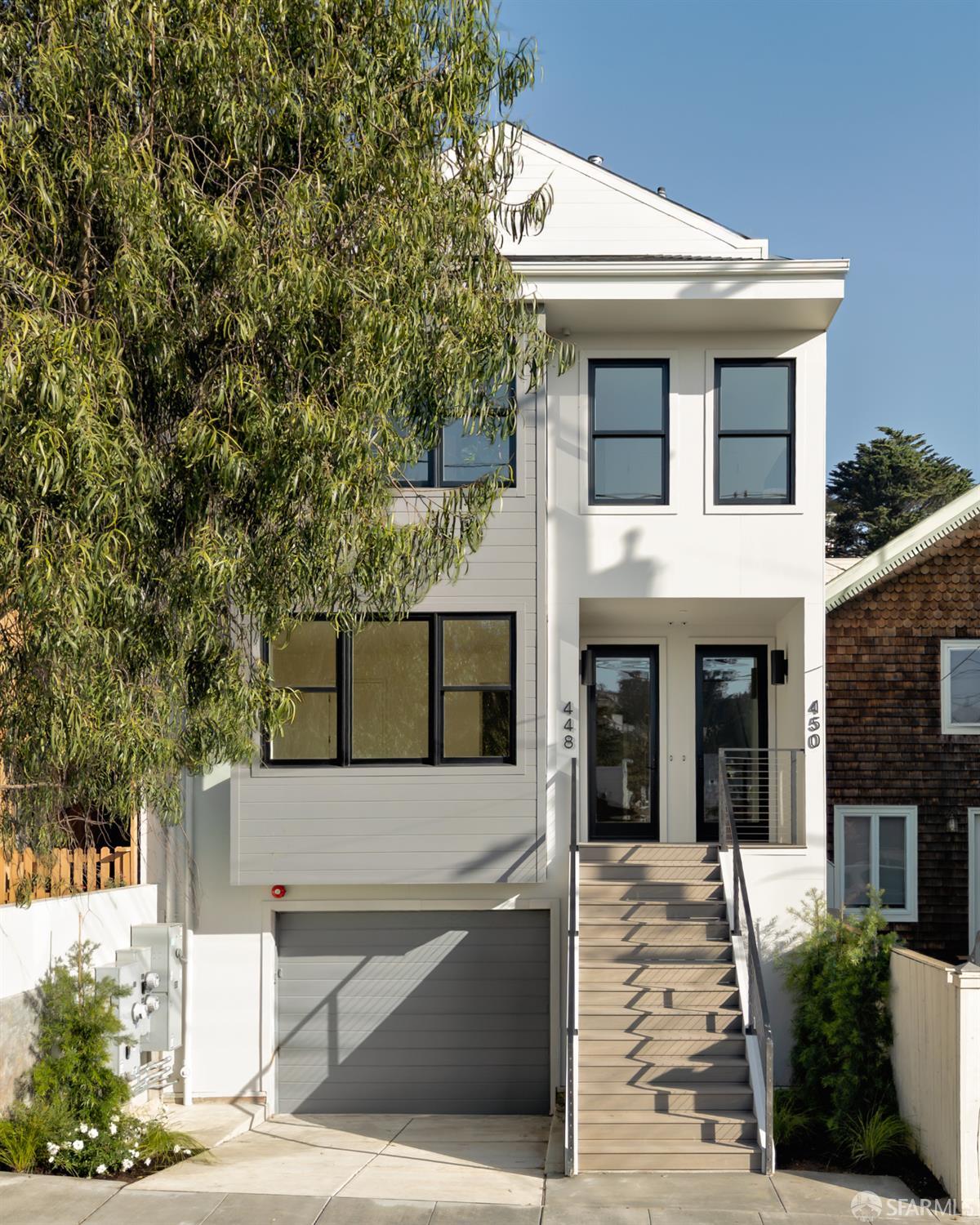
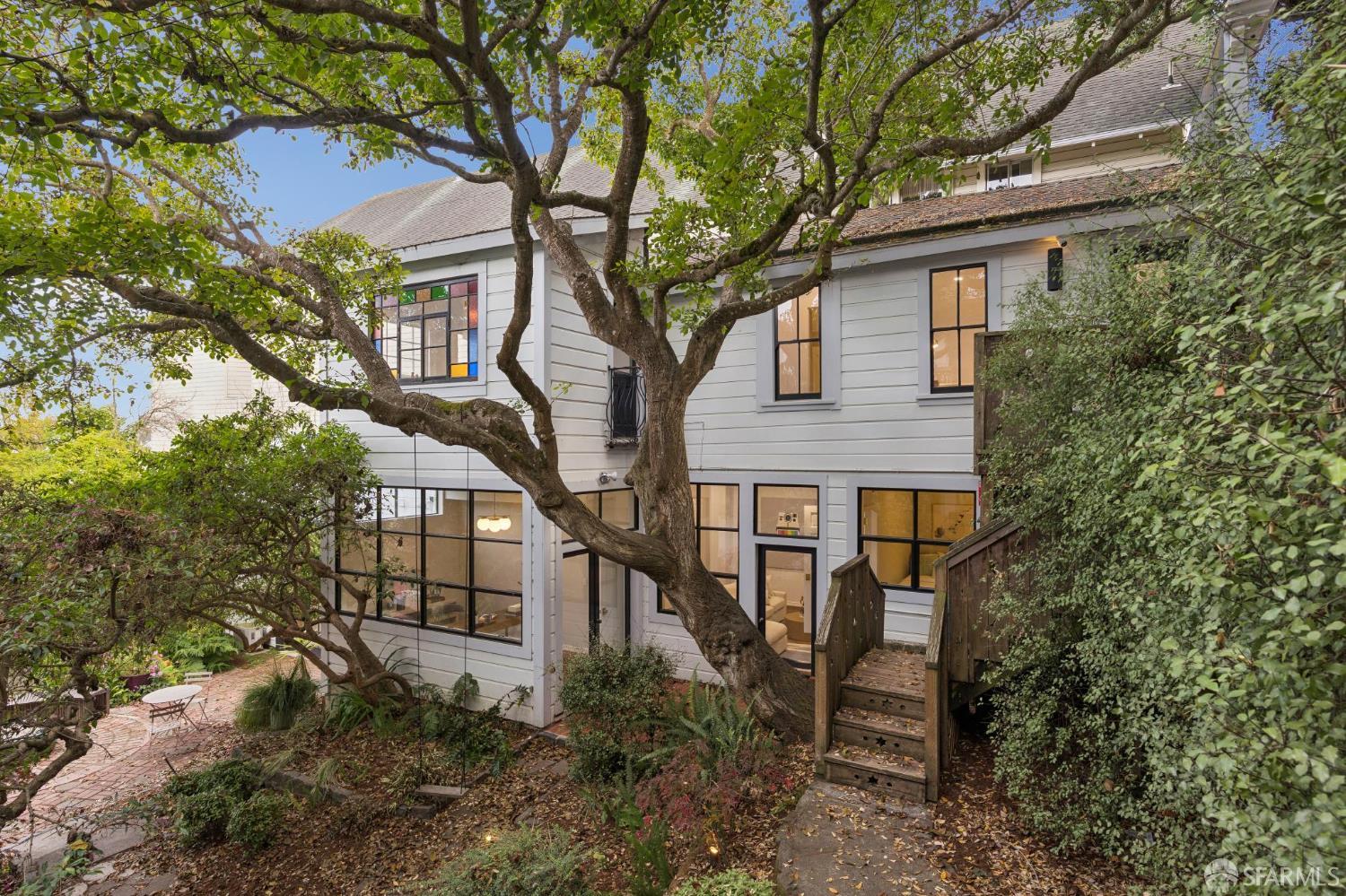
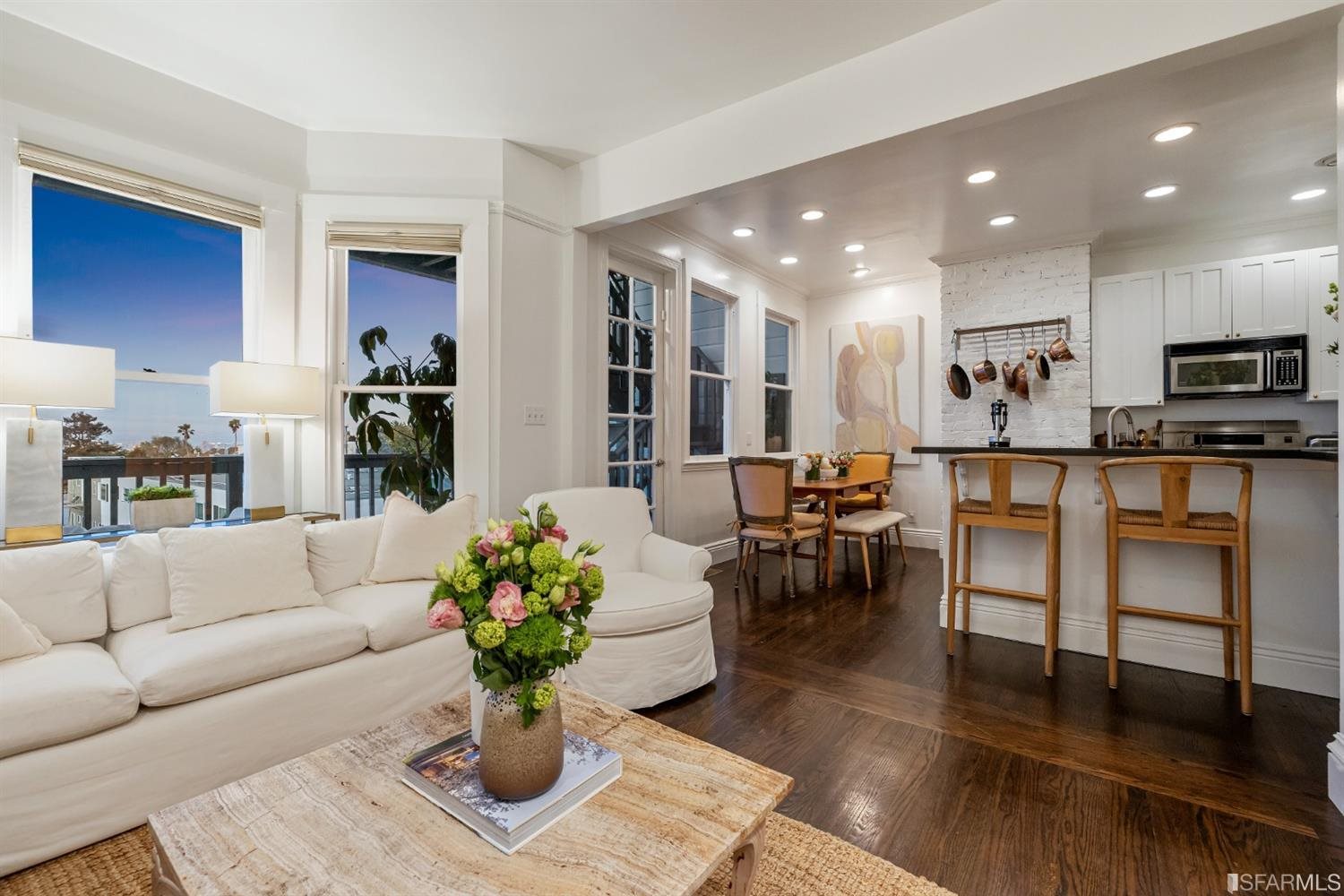
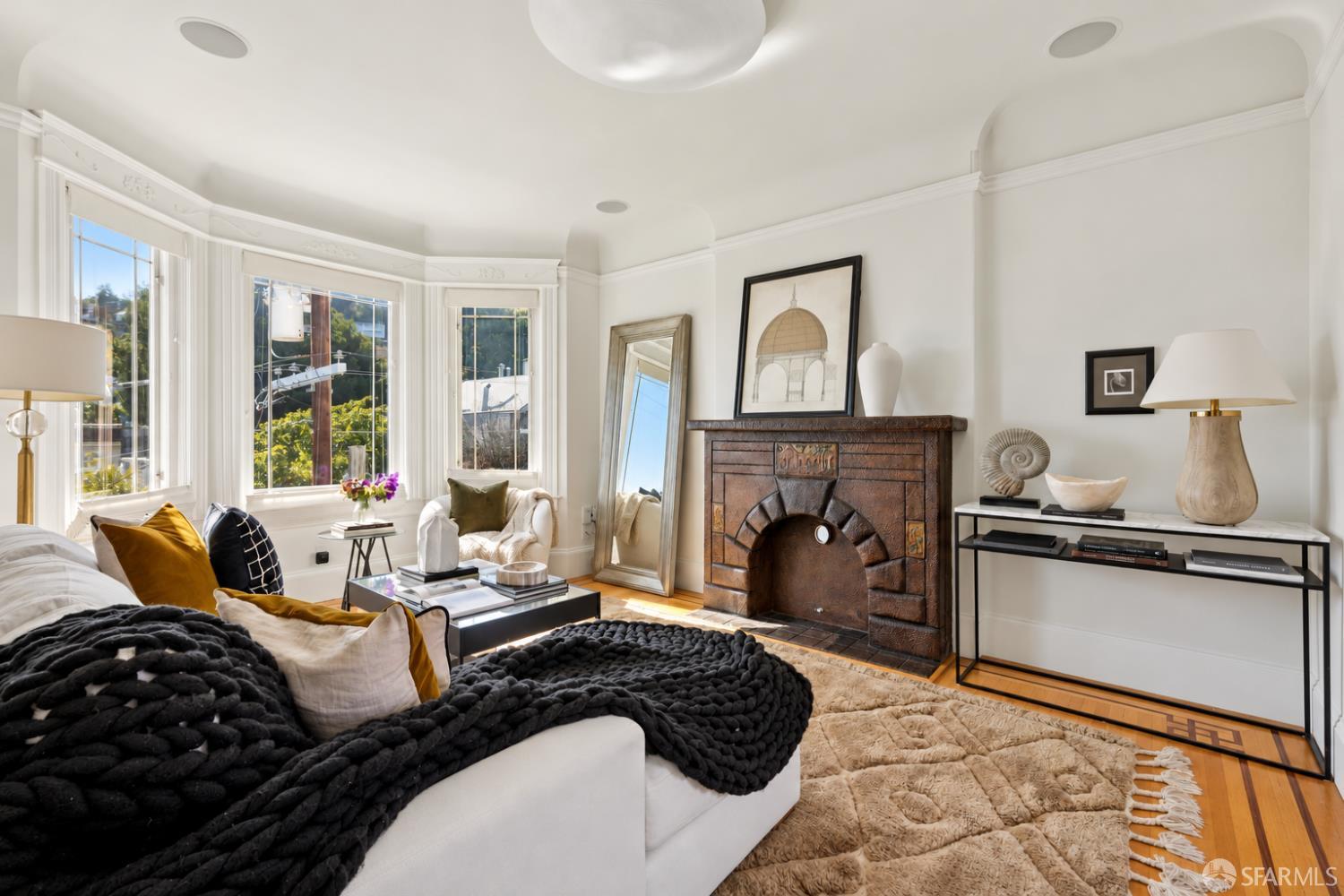
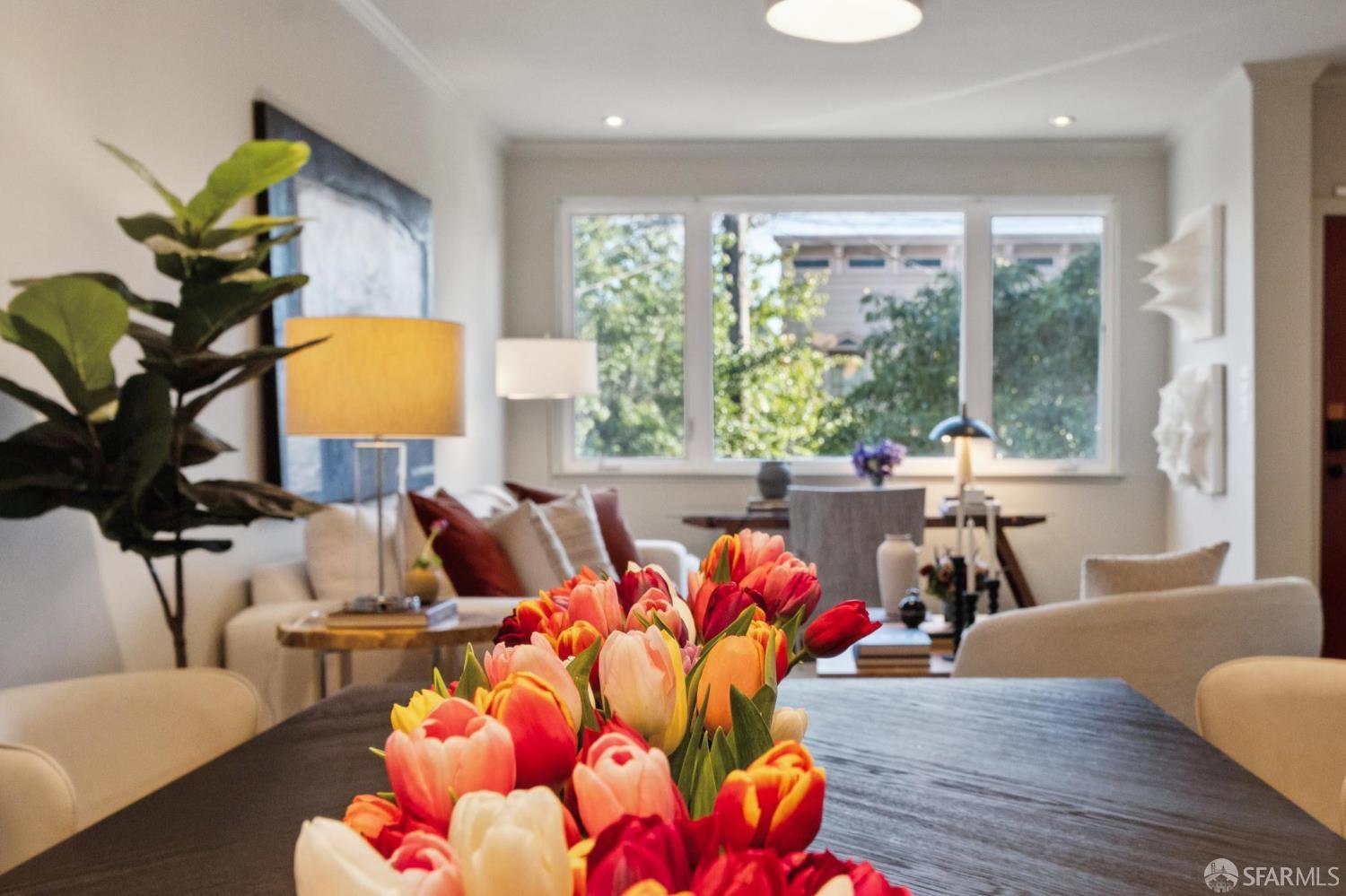
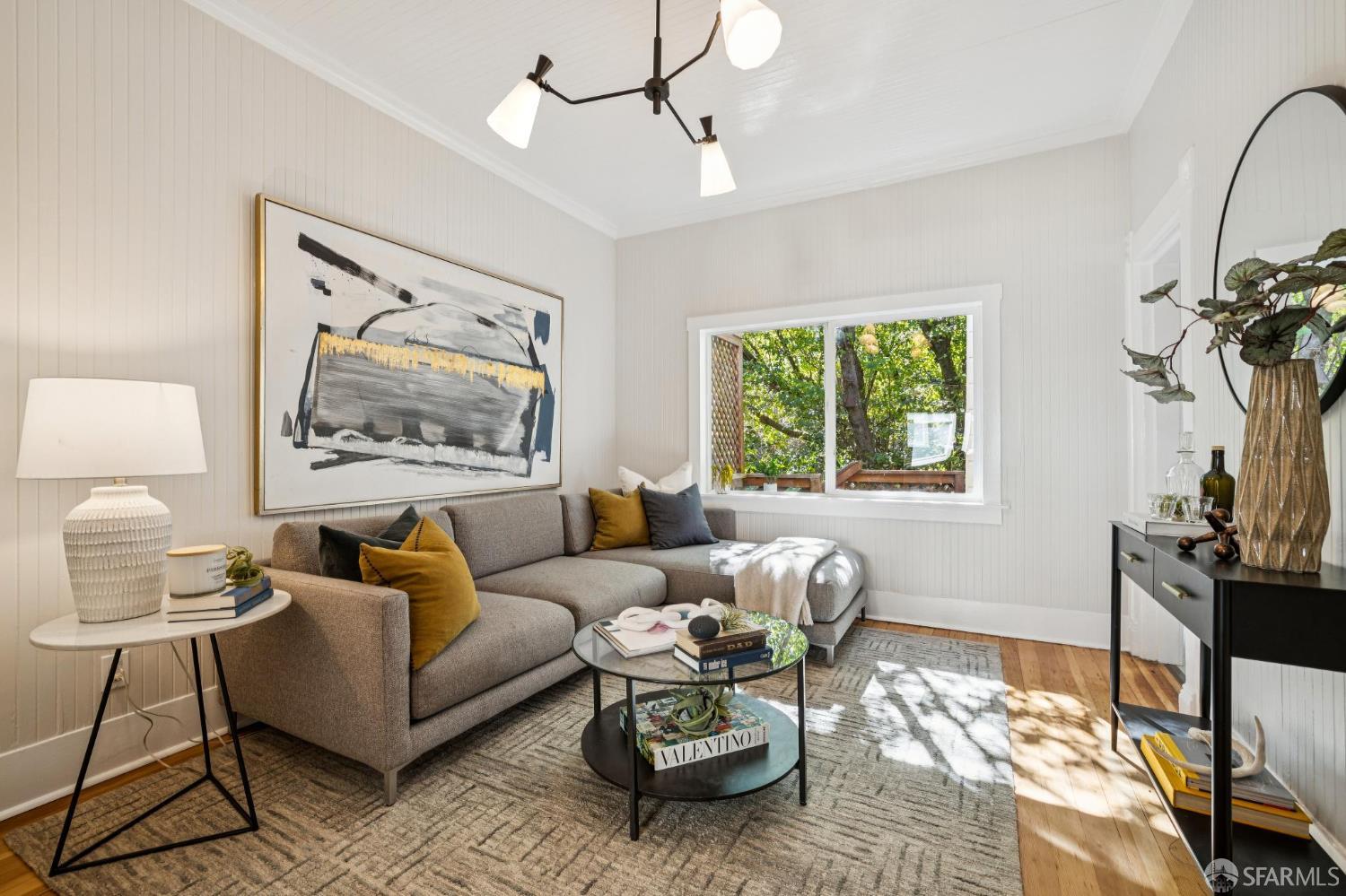
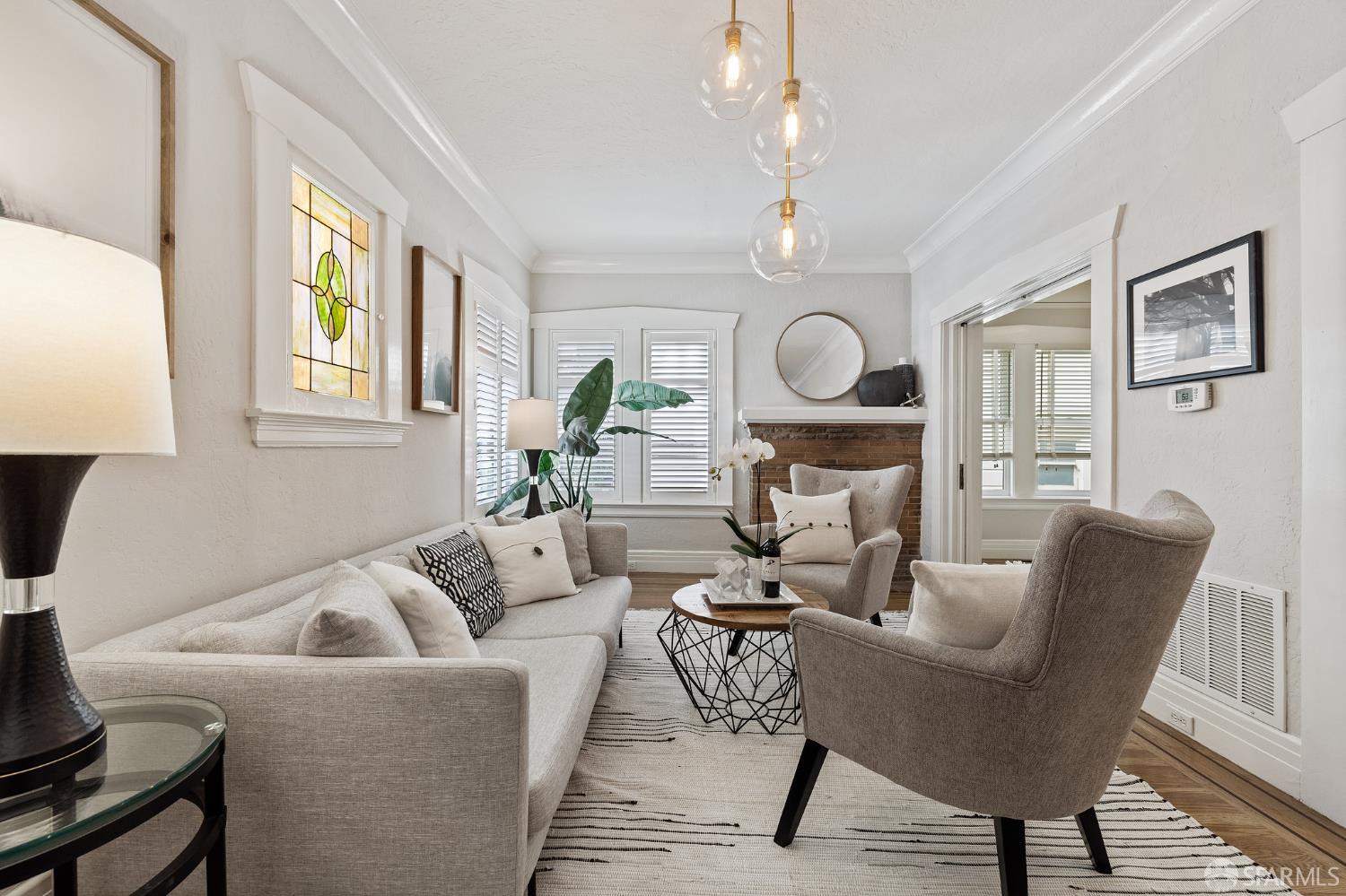
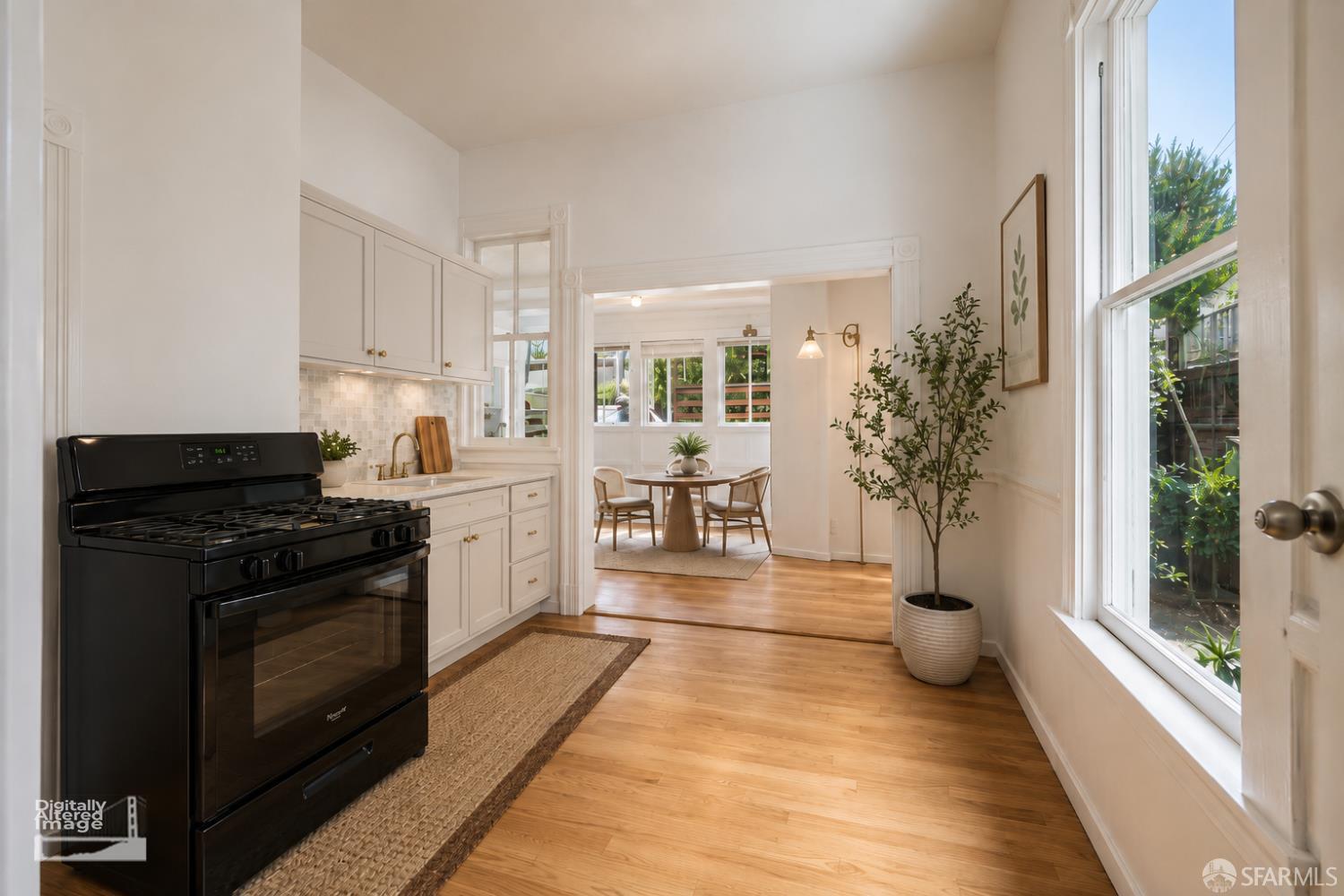
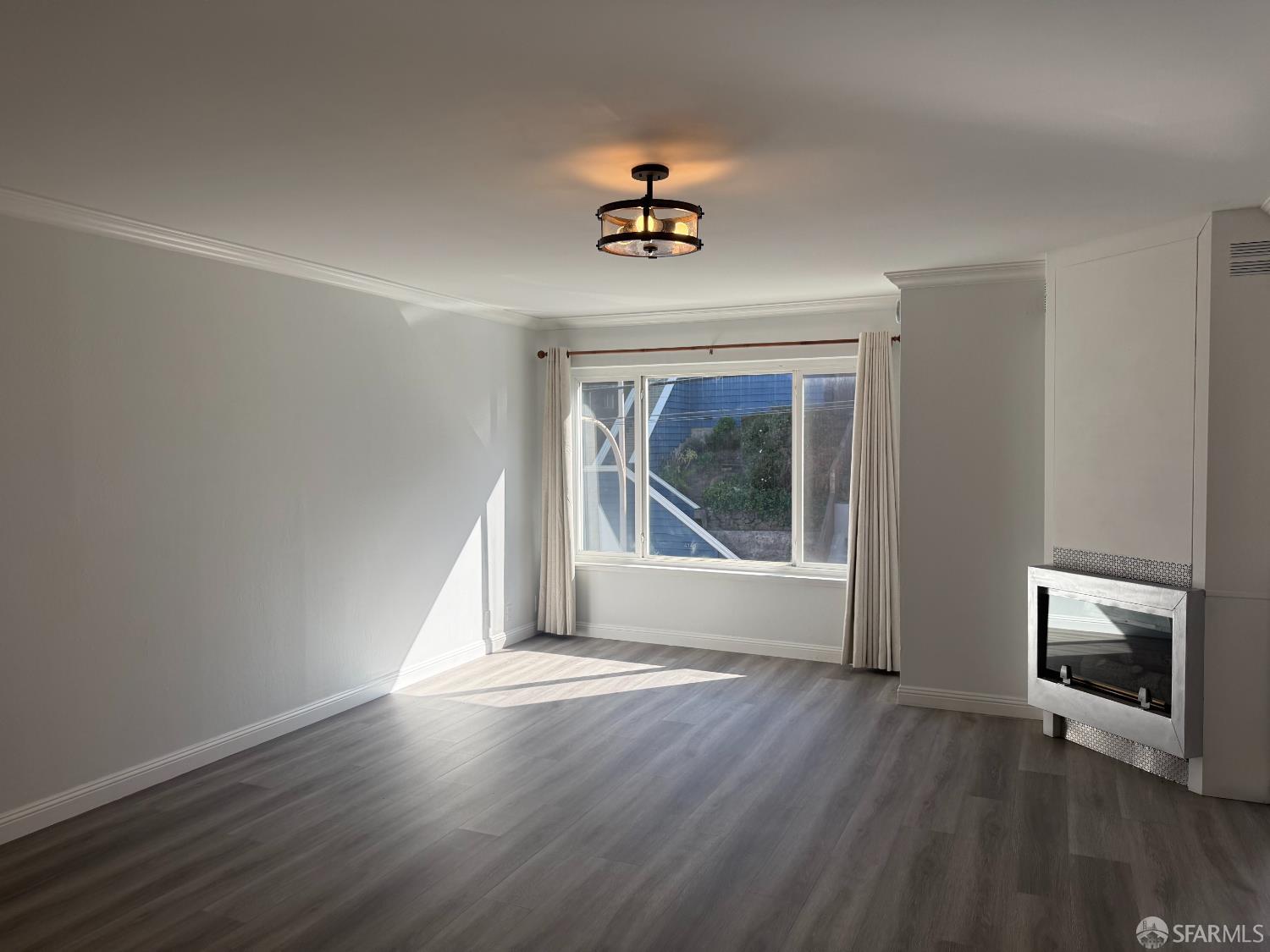
What's important for buyers to understand is that the classic exteriors often conceal thoroughly modern interiors. Over the past few decades, many original two- and three-unit buildings have been transformed into grand single-family homes, with open floor plans, expanded basements, and glass rear walls designed to capture light and valley views. The result is a housing stock that looks historic from the sidewalk but frequently lives like new construction inside.
Noe Valley is consistently one of San Francisco's most competitive and resilient real estate markets, and it commands a meaningful premium over many surrounding neighborhoods. It's widely regarded as a market for long-term buyers—people who intend to stay—and the numbers reflect that stability.
Overall median home values hover around $2.2 million, though that figure masks a wide range depending on property type. Detached single-family homes, the true engine of the local market, routinely average $2.8 million to $3.2 million or more, with fully renovated turn-key properties climbing higher still. Condos and TIC (tenancy-in-common) units, by contrast, typically range from $1.2 million to $1.8 million depending on size, parking, and outdoor space. Price per square foot generally runs from $1,150 to $1,300+, with the highest rates near Dolores Park and along the central flat grid around 24th Street.
The market's defining feature is scarcity. Homeowners here tend to hold onto property for decades, which creates a structural shortage of listings—inventory rarely exceeds one to two months' supply. Demand, meanwhile, is driven by the neighborhood's well-known "stroller brigade" of young families, along with established professionals and tech-sector buyers looking for quiet streets, outdoor space, and a fast route to the Peninsula. The combination produces fierce competition: well-priced single-family homes with a yard and parking often sell within 12 to 20 days, frequently drawing multiple offers over asking. For buyers, that means preparation and speed matter enormously, and experienced local representation is less a luxury than a necessity.
Families moving to Noe Valley have access to a strong mix of public and private schools, and education is one of the neighborhood's genuine draws. It's worth understanding at the outset that San Francisco operates on a district-wide choice assignment system rather than strict neighborhood attendance zones, so proximity to a school does not guarantee placement—though several nearby schools remain top preferences among local residents.
On the public side, Alvarado Elementary School at 22nd and Douglass sits right in the neighborhood and is highly sought after for its Spanish Dual Language Immersion program and strong arts integration. Fairmount Elementary, nearby on Chenery Street, offers both general education and Spanish Immersion tracks, and James Lick Middle School on Noe Street serves local sixth through eighth graders with an arts and technology focus.
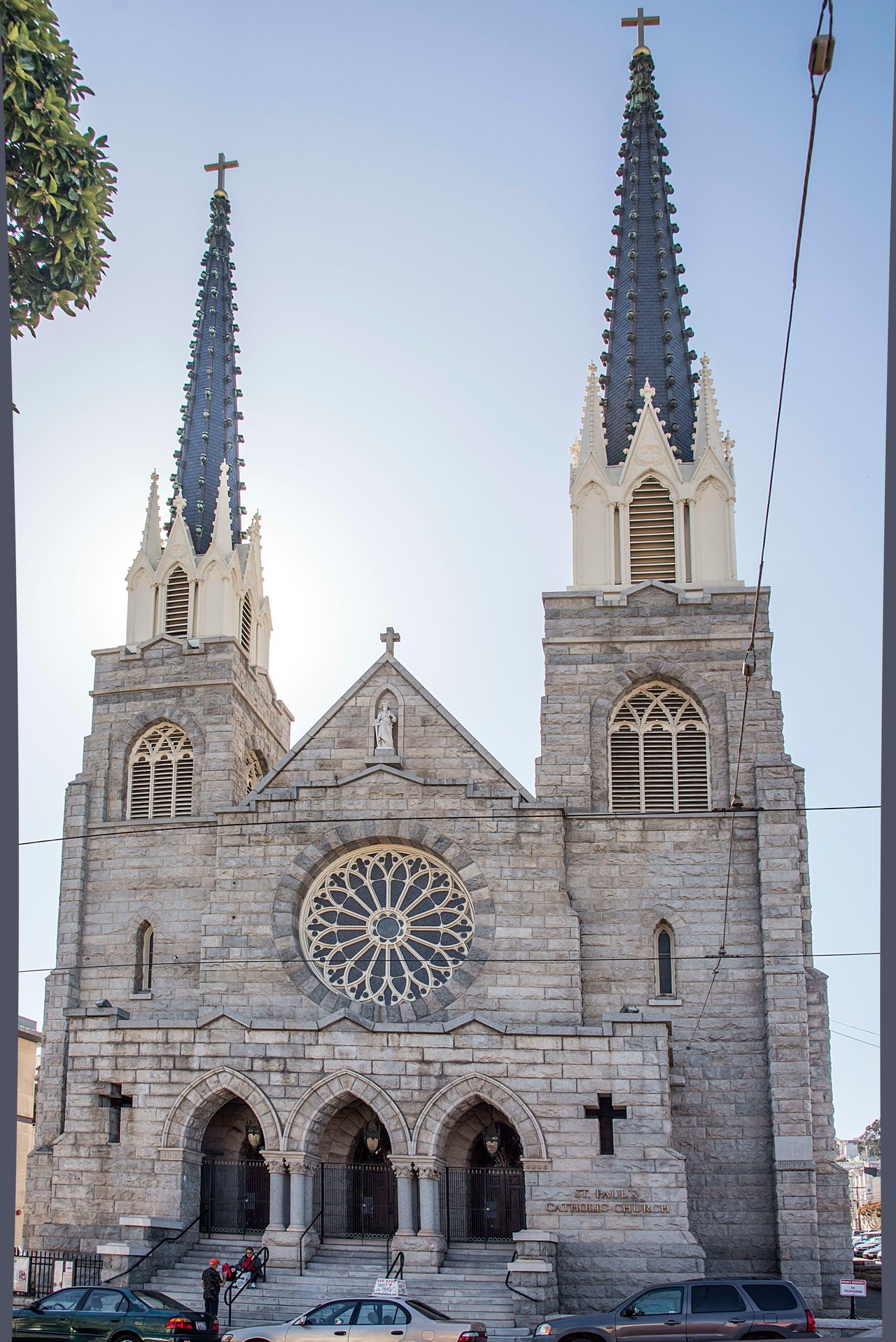
Private and independent options are equally well represented. St. Philip the Apostle School, a Catholic TK–8 school on Elizabeth Street, has anchored the neighborhood for generations. The San Francisco Day School, just north near the Western Addition, draws many local families seeking an independent K–8 education, while Immaculate Conception Academy (ICA Cristo Rey) on Fair Oaks Street offers an all-girls college-preparatory high school known for its corporate work-study program.
More than most San Francisco neighborhoods, Noe Valley functions like a close-knit village, and that sense of community is sustained through a handful of long-standing traditions and shared public spaces.
The centerpiece is the Noe Valley Farmers' Market, held every Saturday year-round from 8:00 AM to 1:00 PM at the Town Square. This community-run, certified organic market is as much a social hour as a place to shop, with regional produce, farm-fresh eggs, and artisan foods set against live acoustic music and local organization pop-ups. The Noe Valley Town Square itself, at 3861 24th Street, was built through years of grassroots community fundraising and opened in 2016; today it hosts free outdoor yoga, summer music sessions, salsa dancing, outdoor movie nights, and holiday gatherings throughout the year.
The neighborhood also sustains one of San Francisco's last surviving hyper-local print newspapers, The Noe Valley Voice, a monthly that keeps residents current on everything from real estate transactions and zoning battles to lost pets and local history. Seasonal traditions round out the calendar—the annual Summer Wine Walk and holiday merchant strolls regularly bring families and shoppers onto 24th Street for tastings, discounts, and street performances. These are the rituals that make a neighborhood feel like home rather than just an address.
No neighborhood is right for everyone, and an honest guide should say so plainly. Noe Valley delivers a distinct lifestyle that some residents love deeply and others find genuinely mismatched to what they want.
On the upside, the microclimate is hard to overstate—this is one of the sunniest, warmest, and least foggy pockets in the city, and for many buyers that alone is decisive. The 24th Street corridor makes daily life easy, with groceries, coffee, dining, and shopping all reachable on foot. The neighborhood is exceptionally family- and dog-friendly, with excellent parks, calm residential streets, and strong community infrastructure. And commuting is convenient in both directions: the J-Church runs straight downtown, and I-280 and US-101 make the Peninsula an easy drive.
The trade-offs are just as real. The barrier to entry is high, with single-family median prices above $2.8 million and chronically tight inventory keeping options limited. Nightlife is quiet—the neighborhood winds down early, so anyone craving vibrant bars or late-night venues will find themselves heading to the Castro or Mission. The hills off the central grid are steep, demanding real effort to walk or park on the peripheral slopes. And street parking is notoriously difficult, given narrow streets and high car ownership among families without garages.
The bottom line: Noe Valley is ideal for buyers, families, and professionals who want a warm, quiet, community-centered neighborhood with historic character, great weather, and a lively daytime commercial street. It's less suited to renters on a tight budget, night owls who want energy right outside the door, or commuters who depend entirely on fast subway access running directly through their streets. Knowing which side of that line you fall on is the first real step in any Noe Valley home search.
If Noe Valley sounds like the neighborhood you've been looking for, the team at Nob Hill Compass is here to help you navigate it. We are a group of top-producing San Francisco real estate professionals who bring deep local knowledge and a collaborative, client-first approach to one of the city's most competitive markets—where tight inventory and fast-moving listings make experienced guidance essential. Whether you're preparing to buy your first home in the valley, hoping to sell for the strongest possible outcome, or simply want an honest read on whether the neighborhood fits your life, we'd welcome the conversation. Reach out to Victoria Stewart Davis at (415) 336-2468 or [email protected], or contact the Nob Hill Compass office at (415) 226-9387 or [email protected]. It would be our privilege to earn your trust and help you find your place in Noe Valley.
Noe Valley has 10,701 households, with an average household size of 2. Data provided by the U.S. Census Bureau. Here’s what the people living in Noe Valley do for work — and how long it takes them to get there. Data provided by the U.S. Census Bureau. 23,005 people call Noe Valley home. The population density is 30,959.453 and the largest age group is Data provided by the U.S. Census Bureau.
Total Population
Population Density Population Density This is the number of people per square mile in a neighborhood.
Median Age
Men vs Women
Population by Age Group
0-9 Years
10-17 Years
18-24 Years
25-64 Years
65-74 Years
75+ Years
Education Level
Total Households
Average Household Size
Average individual Income
Households with Children
With Children:
Without Children:
Marital Status
Blue vs White Collar Workers
Blue Collar:
White Collar:
There's plenty to do around Noe Valley, including shopping, dining, nightlife, parks, and more. Data provided by Walk Score and Yelp.
Explore popular things to do in the area, including PlumpJack Wine & Spirits, Delights By Lisa, and Two Birds.
| Name | Category | Distance | Reviews |
Ratings by
Yelp
|
|---|---|---|---|---|
| Dining · $$ | 0.18 miles | 112 reviews | 3.4/5 stars | |
| Dining · $$ | 0.52 miles | 46 reviews | 4.5/5 stars | |
| Shopping | 0.19 miles | 28 reviews | 4.1/5 stars | |
| Shopping | 0.29 miles | 145 reviews | 4.8/5 stars | |
| Active | 0.14 miles | 4 reviews | 5/5 stars | |
| Active | 0.21 miles | 49 reviews | 3.7/5 stars | |
| Active | 0.28 miles | 8 reviews | 5/5 stars | |
| Beauty | 0.16 miles | 0 reviews | 0/5 stars | |
| Beauty | 0.19 miles | 197 reviews | 4.8/5 stars | |
| Beauty | 0.19 miles | 2 reviews | 5/5 stars | |
|
|
||||
|
|
||||
|
|
||||
|
|
||||
|
|
||||
|
|