Looking for a San Francisco neighborhood that feels connected, walkable, and quietly residential without losing access to everyday essentials? Jordan Park and Laurel Heights offer exactly that balance. If you are exploring where to buy, sell, or simply better understand this part of the city, this guide will help you see how these adjoining areas create a village-like experience in central San Francisco. Let’s take a closer look.
What gives this area its village feel
Jordan Park and Laurel Heights are commonly used local neighborhood names, not fixed legal districts. San Francisco Planning notes that neighborhood identities here are shaped by history, geography, and culture, which matters because the appeal of this area is tied as much to daily life as it is to boundary lines.
The “village living” idea comes from how the pieces fit together. You have residential streets, a compact retail hub, nearby parks, and community-serving institutions all within a relatively short distance. Instead of one dense commercial corridor running through the middle, the area works through a mix of edge retail and neighborhood routines.
Jordan Park at a glance
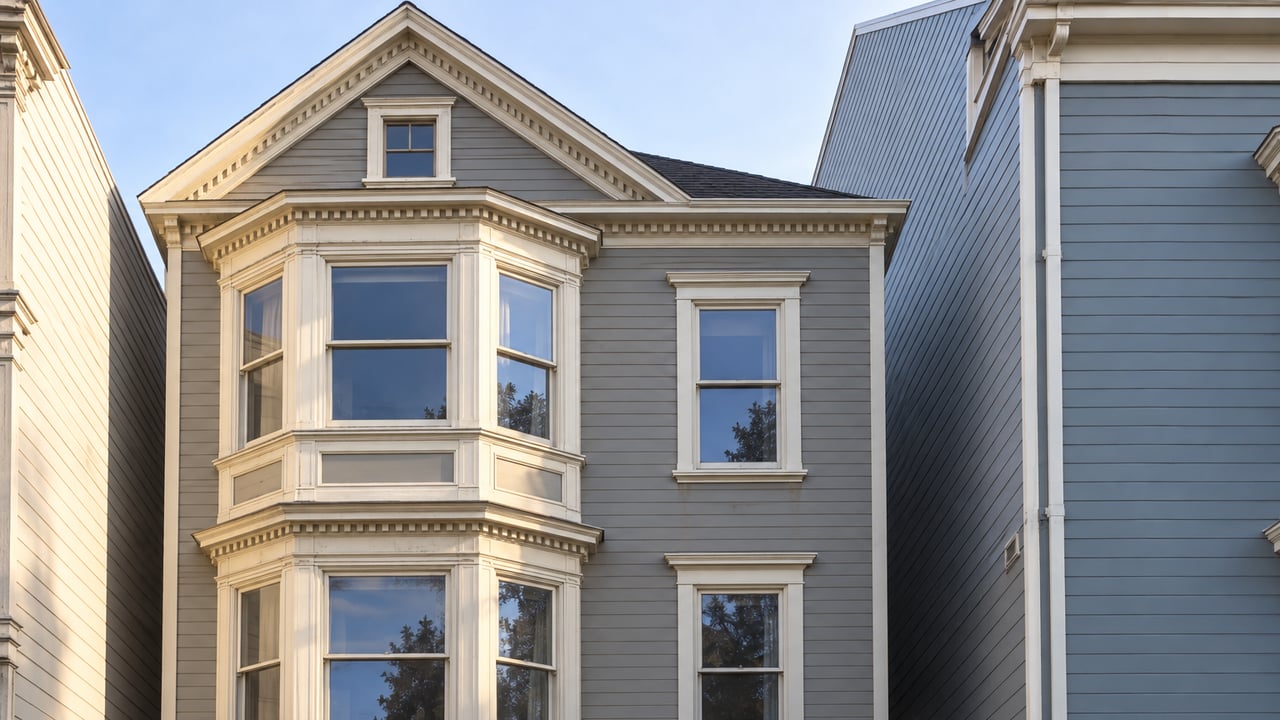
Jordan Park has an older, more formally planned character. San Francisco Planning describes it as a residence park established in 1906, generally bounded by California Street, Parker Avenue, Geary Boulevard, and Palm Avenue.
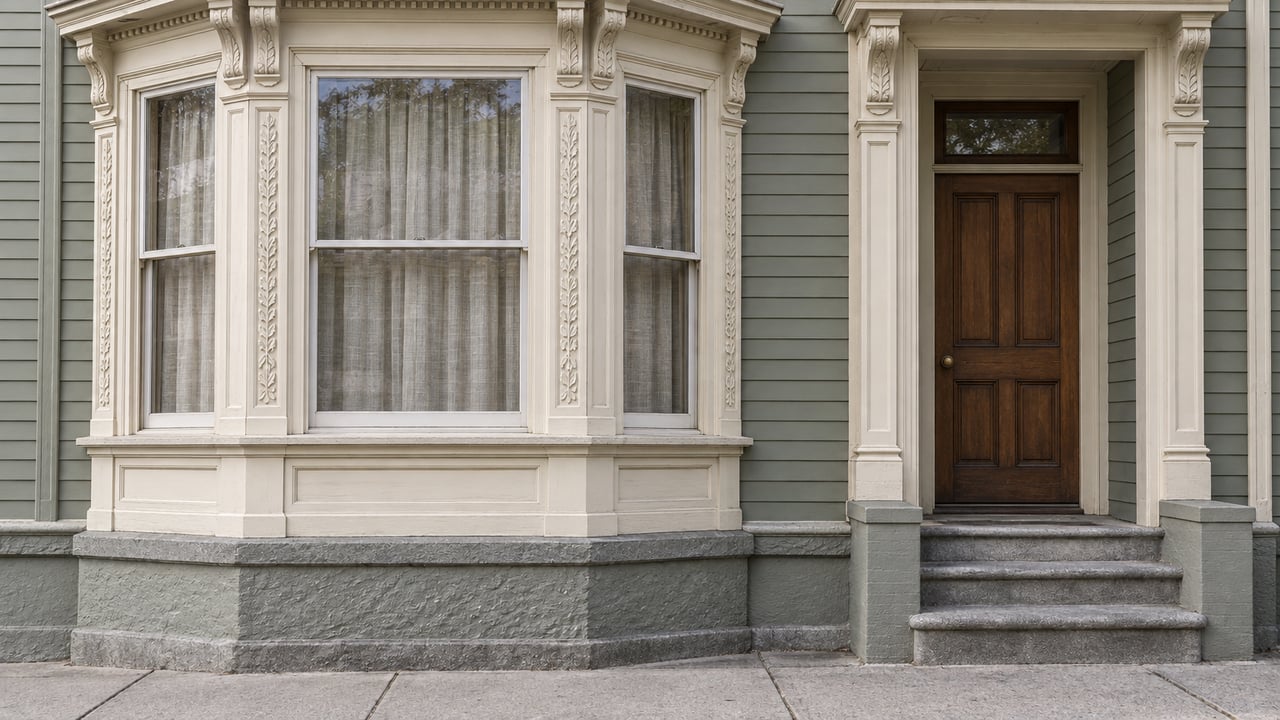
Its broad streets, shallow front yards, and consistent setbacks still define the streetscape today. Planning documents also note that Jordan Park includes a mix of housing types, including single-family homes, multiple-family buildings, and a church, which gives it more variety than many people may expect at first glance.
Jordan Park streets and setting
One of Jordan Park’s most distinctive traits is how open and orderly it feels. Historic planning materials describe wide, well-paved streets, green lawns, flower gardens, and street lights as part of its original identity, and that early vision still shapes the neighborhood’s look.
For buyers, that can translate into a sense of visual continuity and classic San Francisco residential character. For sellers, it helps explain why the area often stands out to people who value established streetscapes and a recognizable historic setting.
Laurel Heights at a glance
Laurel Heights feels different from Jordan Park, even though the two areas connect naturally in everyday life. Planning documents describe the Laurel Village residential tract west of the UCSF campus as mostly single-family homes, duplexes, and some apartment buildings.
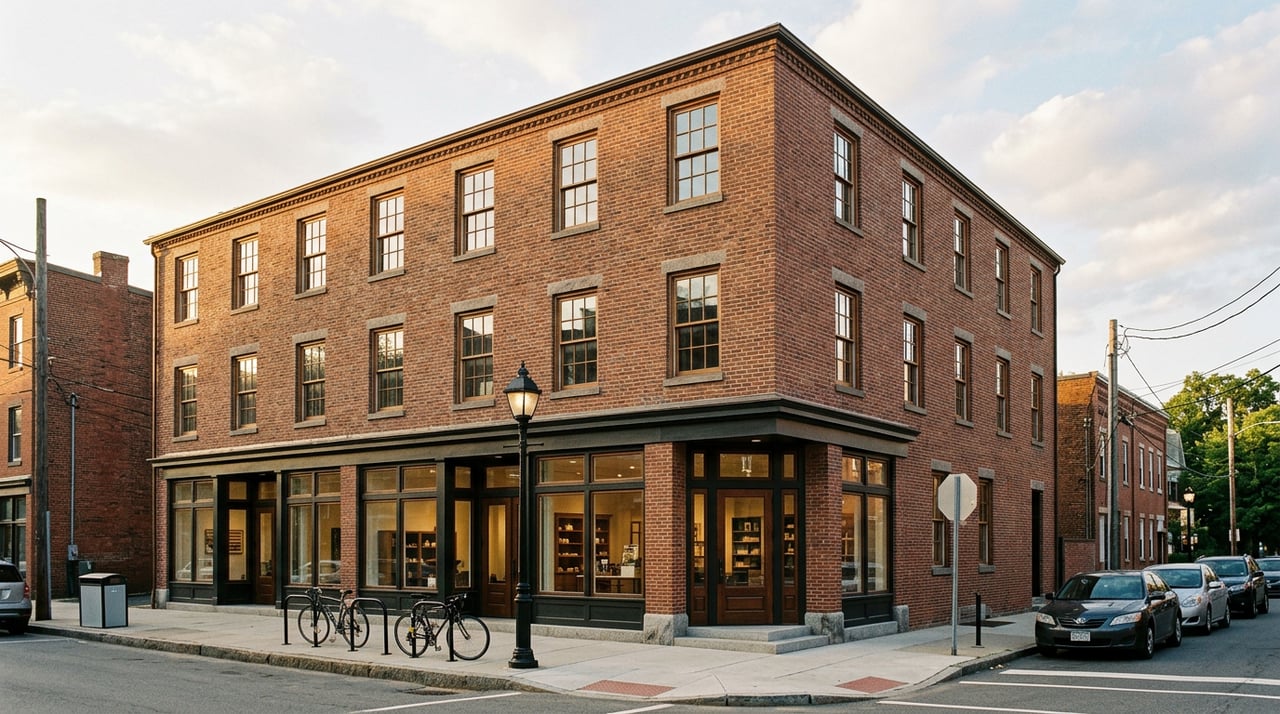
The neighborhood’s built form is more midcentury in character. Planning records point to uniform split-level and two-story massing, low-pitched hipped roofs, and minimal ornamentation, with retail concentrated along the Laurel Village commercial strip rather than spread throughout the residential blocks.
Laurel Heights and Laurel Village
Laurel Village is central to how many people experience Laurel Heights. Planning documents note that this commercial strip was built from 1948 to 1953, spans about two blocks, and includes one- to two-story retail buildings that help define the neighborhood’s midcentury character.
That layout gives Laurel Heights a practical rhythm. Residential blocks stay relatively low-rise and quiet, while daily errands, coffee stops, and small routines cluster at the edge.
How the neighborhoods differ
Jordan Park and Laurel Heights are close neighbors, but they do not feel identical. Jordan Park reads as the older residence-park environment, while Laurel Heights reads as a later, more tract-based midcentury district.
That difference can matter if you are comparing the two as a buyer or preparing to position a property as a seller. One emphasizes broader streets and historic planning patterns. The other is often defined by its low-rise residential fabric and its connection to Laurel Village.
| Area | Defining character | Housing mix | Streetscape feel |
|---|---|---|---|
| Jordan Park | Early residence park | Single-family homes plus multiple-family buildings | Broad streets, shallow setbacks, formal layout |
| Laurel Heights | Midcentury residential district | Mostly single-family homes, duplexes, some apartments | Low-rise blocks with retail concentrated at Laurel Village |
Everyday convenience in Laurel Village
A big part of the area’s appeal is how much you can get done close to home. Laurel Village’s current directory includes Cal Mart, Peet’s Coffee, Noah’s New York Bagels, Rigolo Cafe, Books Inc., Wells Fargo, Standard Ace 5&10, and other daily-use retailers and services.
That lineup supports simple neighborhood routines. Grocery runs, coffee, household items, and casual meetups can often happen without turning the day into a major outing.
Community spaces nearby
JCCSF at 3200 California Street adds another layer to local life. It serves as a community hub with fitness, youth and family programming, preschool, arts-and-ideas programming, and event space.
For many residents, that kind of nearby institution helps make the neighborhood feel grounded and active. It supports a pattern of short trips and repeat visits that can make a large city feel more manageable.
Parks that support daily life
Parks play a major role in the area’s livability. Rossi Playground, located at 2 Willard N Street, includes baseball diamonds, a swimming pool, tennis, basketball, picnic areas, restrooms, and a playground.
That range of amenities makes it more than a simple green space. It functions as a practical recreation hub for regular use.
Mountain Lake Park access
Mountain Lake Park adds another option nearby. SF Recreation & Parks lists a lake loop, fitness circuit, off-leash dog area, tennis courts, a playground, and a reservable picnic pavilion.
Together, Rossi Playground and Mountain Lake Park help explain why Jordan Park and Laurel Heights can feel self-contained. Even with major city corridors nearby, residents have access to outdoor space that supports exercise, recreation, and everyday breaks from the pace of the city.
Getting around the area
Transit access is straightforward, which is another reason the neighborhood works well for many lifestyles. SFMTA’s 1 California route includes a stop at California Street and Presidio Avenue.
The 38 Geary route serves nearby west-side stops including Geary and Presidio, Geary and Arguello, and Geary and Masonic. Geary is also one of the area’s key edge streets, and SFMTA’s Geary Boulevard Improvement Project continues west of Stanyan with a focus on Muni service and traffic safety along the corridor.
Why buyers pay attention here
If you are buying in central San Francisco, this area can appeal for its balance. You get a residential feel, access to parks, useful retail, and a streetscape that changes in interesting ways from one section to the next.
You may also find that the two neighborhoods offer different kinds of housing context within a connected location. Jordan Park may draw you if you are looking for a more historic and formally planned setting, while Laurel Heights may appeal if you prefer a lower-rise midcentury environment anchored by nearby shops and services.
Why sellers benefit from neighborhood clarity
If you are selling in Jordan Park or Laurel Heights, clear neighborhood positioning matters. These are not interchangeable labels, and buyers often respond best when they understand the specific character of a block, the nearby amenities, and the overall lifestyle pattern.
A thoughtful marketing strategy can highlight what makes a property fit its immediate setting. In one case, that may be broad streets and historic residential character. In another, it may be proximity to Laurel Village, parks, or transit connections that support daily convenience.
Development to watch on California Street
Laurel Heights is established, but it is not static. City documents in 2025 describe a proposed redevelopment of 3333 and 3700 California Street that could add 1,274 homes, about 38,100 square feet of retail, 14,000 square feet of childcare space, and open space.
The long-term outcome remains part of an active land-use conversation, but the proposal is important context. It suggests that while the neighborhood is still defined by low-rise residential fabric and edge retail today, the California Street corridor may continue to evolve over time.
A central San Francisco lifestyle
What makes Jordan Park and Laurel Heights stand out is not just architecture or location alone. It is the way residential streets, practical retail, parks, and community institutions come together to support daily life.
For buyers, that can mean a neighborhood that feels livable from day one. For sellers, it creates a strong story around place, routine, and long-term appeal.
If you are considering a move in or around Jordan Park and Laurel Heights, working with a team that understands how San Francisco micro-neighborhoods are actually experienced can make all the difference. For discreet guidance, neighborhood-specific insight, and a polished strategy tailored to your goals, reach out to Victoria Stewart.
FAQs
Where is Jordan Park in San Francisco?
- Jordan Park is commonly described by San Francisco Planning as the residence park established in 1906 and generally bounded by California Street, Parker Avenue, Geary Boulevard, and Palm Avenue.
What is Laurel Heights known for in San Francisco?
- Laurel Heights is known for its low-rise residential character, midcentury housing context, and the Laurel Village shopping area along the California Street corridor.
What shops are in Laurel Village San Francisco?
- Laurel Village includes daily-use retailers and services such as Cal Mart, Peet’s Coffee, Noah’s New York Bagels, Rigolo Cafe, Books Inc., Wells Fargo, and Standard Ace 5&10.
What parks serve Jordan Park and Laurel Heights?
- Nearby parks include Rossi Playground, with sports and recreation amenities, and Mountain Lake Park, which includes a lake loop, dog area, tennis courts, and picnic space.
Is transit convenient in Jordan Park and Laurel Heights?
- Yes. The area is served by SFMTA routes including the 1 California and 38 Geary, with stops along nearby corridors such as California Street and Geary Boulevard.
Is Laurel Heights changing over time?
- City documents in 2025 describe a proposed redevelopment at 3333 and 3700 California Street that could add housing, retail, childcare space, and open space, showing that the corridor is part of an ongoing planning conversation.