For most of the past decade, a 10-acre stretch of prime real estate on California Street sat behind a chain-link fence. Empty parking lot. Aging medical office towers. No cranes, no construction fencing with a rendering taped to it, nothing. This happened in the middle of one of the most expensive, supply-starved housing markets in the country, in a neighborhood where homes now sell in about ten and a half days.
If you assumed that combination was impossible, that a market this tight would have devoured any buildable acreage within months, you had the intuition most people have. It is also the wrong intuition, and understanding why matters if you are weighing a purchase or a sale in Jordan Park or Laurel Heights right now.
The site everyone could see and nobody could touch
The property is 3333 California Street, formerly a UCSF campus, and the project now moving forward there is branded Presidio Highlands. San Francisco's Board of Supervisors approved entitlements for up to 744 residential units back in 2019, following planning work that stretched to the mid-2010s. That approval should have been the starting gun. Instead, the site stayed largely dormant for years.
The stall had nothing to do with buyer appetite. It had everything to do with a financing gap that shows up in almost every large California infill project and that most buyers never hear about. Building 744 homes on a former hospital campus does not just mean pouring foundations. It means new streets, new utility lines, new sewer and water capacity, a public plaza, and a chunk of affordable and senior housing, all of which has to exist before or alongside the market-rate units that eventually pay for it. A developer who is fully entitled and ready to build can still be stuck if there is no mechanism to front that infrastructure cost.
What finally unstuck Presidio Highlands was not a change in demand. It was a financing tool. San Francisco's Board of Supervisors advanced special tax districts, called Enhanced Infrastructure Financing Districts, that let the project borrow against its own future property tax revenue to pay for the streets, utilities, and affordable housing up front. With that piece in place, developer Prado Group confirmed it expects to begin vertical construction on the first phase in late 2026, as reported by Yahoo News. A site that sat idle for the better part of ten years is only now becoming a construction zone, not because San Francisco stopped wanting housing, but because the plumbing that makes large infill projects solvent finally got built.
What the neighborhood's own numbers were doing the whole time
Here is the detail that should reframe how you read this story. While that site sat empty, Laurel Heights was not waiting around for it.
Recent sales data for the neighborhood put the median home price near $3.42 million, up close to 6 percent from a year earlier, with price per square foot climbing almost 39 percent over the same period. Homes have been selling in a median of roughly ten and a half days. Those are not the numbers of a neighborhood that needed 744 new units to feel demand. They are the numbers of a neighborhood that has been absorbing every available listing regardless of what was happening two blocks away on California Street.
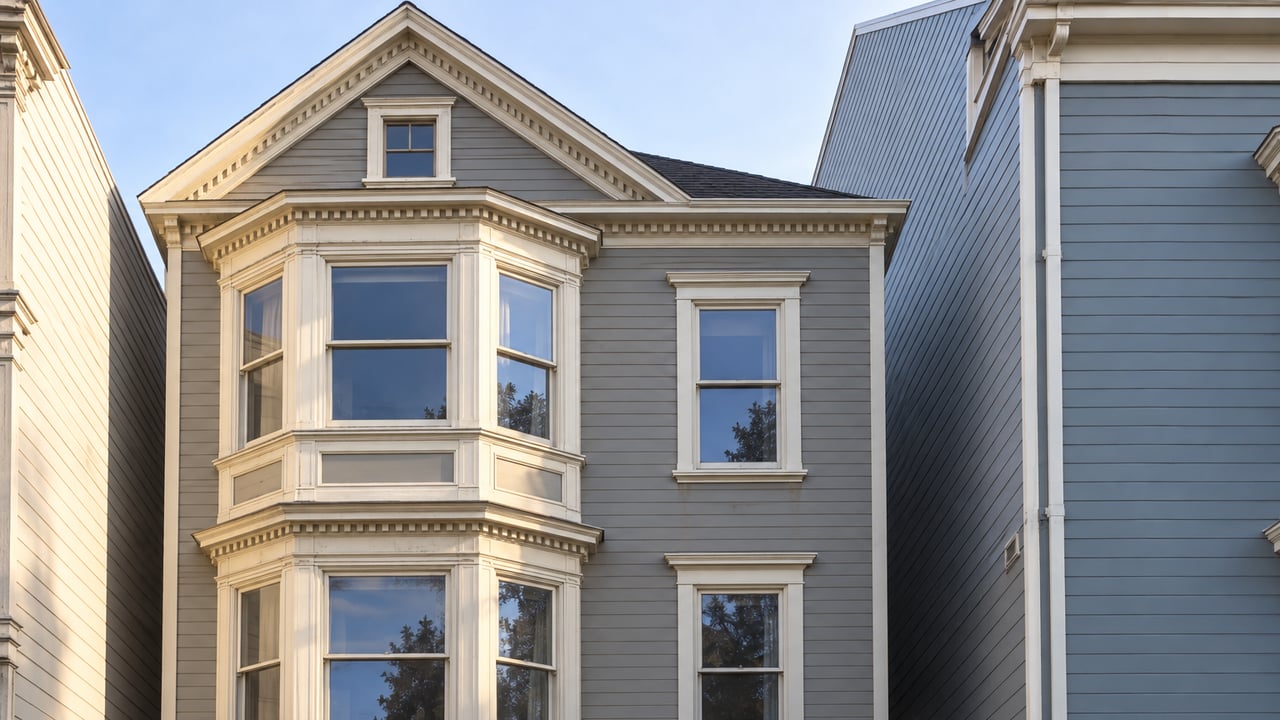
This is worth sitting with if you are comparing Jordan Park and Laurel Heights to other westside San Francisco neighborhoods. The lesson from the past decade is not "watch for new supply to soften prices here." It is that scarcity in the existing resale stock, the Edwardian flats, the four-unit buildings, the 1920s single-family homes, has been the actual price driver, independent of whatever gets built on institutional land nearby.
What phase one actually delivers, and to whom
The first stage of Presidio Highlands is now permitted across six buildings. It is worth knowing what kind of housing this is, because it changes how directly it competes with the market you are transacting in.
| Address | Height | Units | What it is |
|---|---|---|---|
| 3333 California St | 5 stories | 61 | Market-rate apartments |
| 528 Laurel St | 4 stories | 61 | Market-rate apartments |
| 538 Laurel St | 4 stories | 30 | Market-rate apartments |
| Center Building A | 5 stories | 64 | Market-rate apartments |
| Center Building B | 8 stories | 92 | Market-rate apartments |
| Walnut Building | mid-rise | 125 | Affordable senior housing |
Nearly all of it is rental. That matters for anyone buying or selling a condo or a house in Jordan Park or Laurel Heights, because rental apartments do not show up as competing inventory in a for-sale comparable set. The senior housing component, expected to be developed by Mercy Housing, adds 125 income-restricted units for older residents rather than market-rate stock of any kind. At full build-out the site is entitled for 744 units total, along with roughly 35,000 to 49,000 square feet of retail and restaurant space, a 175-seat childcare facility, and about five acres of open space, but that full buildout unfolds across multiple phases over years, not all at once.
A second, unrelated project reinforces that this is a broader wave rather than an isolated event. A few blocks away at 3300-3330 Geary Boulevard, plans call for an eight-story building with 89 units above retail, replacing three structures including the fire-gutted former home of the dim sum restaurant Hong Kong Lounge II. Laurel Heights and Jordan Park are absorbing new construction on more than one corner at once, and none of the major projects currently in motion are delivering for-sale condos that would sit in direct competition with an existing single-family home or flat.
The retail corridor this was always supposed to help
Laurel Village, the shopping strip anchored around 3500 California Street, has for years dealt with a version of the same problem the housing site did. With the adjacent UCSF campus mostly vacant, the retailers there lost the daily foot traffic that a working campus and its staff used to generate. Yahoo News also reported that retailers in Laurel Village have struggled without that traffic.
The people closest to the site have said as much publicly. The CEO of the Jewish Community Center of San Francisco, which sits directly across the street from 3333 California, told reporters at a public hearing that the organization runs preschool programs and activities for 1,400 children and welcomes the idea of new families and older residents living across the street after years of staring at an empty office lot. A neighbor who coaches a local youth T-ball team, the Laurel Heights Hawks, made a similar point about wanting today's small children to have somewhere to live as they grow up. These are not abstract planning-commission talking points. They are the daily concerns of people who have watched this corner sit unused for a decade while the businesses around it struggled to hold on.
What this means if you are deciding whether to buy or sell here
If you already own in Jordan Park or Laurel Heights, the arrival of Presidio Highlands is not a supply threat to your equity. The unit count is large, but it is overwhelmingly rental, phased across years, and aimed at a different part of the housing market than your resale flat or single-family home occupies. What it should bring, assuming the retail buildout proceeds as entitled, is a meaningfully stronger Laurel Village corridor and more daily foot traffic on California Street, both of which tend to support rather than undercut neighborhood desirability over time.
If you are shopping in the neighborhood, the more useful takeaway is about timing and expectations rather than price relief. Vertical construction on the first phase is expected to begin in late 2026, and a project of this scale typically unfolds across a fifteen-year development agreement. Anyone buying near California Street between Presidio Avenue and Laurel Street over the next several years should factor in a long runway of nearby construction activity, not a quick in-and-out project.
A few direct questions
Will 744 new units make homes in Jordan Park or Laurel Heights more affordable? Unlikely to move resale prices in a meaningful way. The overwhelming majority of the new units are market-rate rentals or income-restricted senior housing, not for-sale condos or houses, so they do not add directly to the inventory that current sellers compete against.
When does construction actually start, and how disruptive will it be? Developer Prado Group has said it expects vertical construction on the first phase to begin in late 2026. The full 744-unit build-out is structured as a multi-phase project under a development agreement spanning years, so nearby streets should expect an extended, rolling construction presence rather than a single short-term disruption.
Understanding a neighborhood means understanding what actually moved its market and what did not. The Presidio Highlands story is a financing story before it is a housing story, and the twelve months of sales data sitting alongside that empty campus tell you more about Laurel Heights values than the project itself ever will.
If you are weighing a purchase or a sale in Jordan Park or Laurel Heights and want a clear-eyed read on how a specific block or building fits into this picture, Nob Hill Compass can walk through the details with you directly. Request a Confidential Consultation to start that conversation.