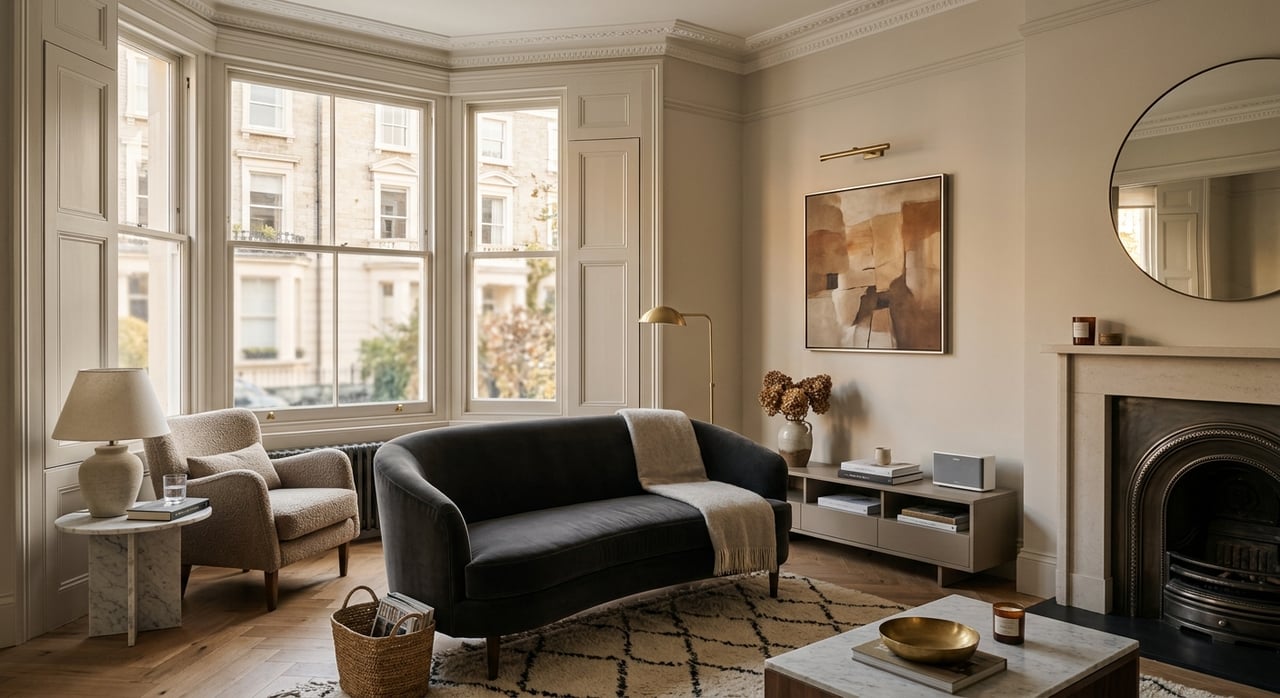
Could a Russian Hill pied-à-terre be the right way to enjoy San Francisco without taking on more home than you want? For many buyers, the appeal is easy to understand: iconic views, walkable daily life, and a neighborhood that feels distinctly San Francisco the moment you arrive. If you are considering a second home here, it helps to look past the romance and focus on the details that shape how the property will actually live. Let’s dive in.
Why Russian Hill Works Well
Russian Hill stands out for part-time city living because so much of daily life can be done on foot. The neighborhood is compact and steep, with stairways, alleys, pedestrian-only lanes, gardens, and blocks where the experience can change quickly from one side of the street to the next.
That layout matters when you are not in town full time. Rather than relying on a car for every errand, you may be able to walk to convenience shopping, restaurants, personal services, and grocery options along Polk Street, which San Francisco Planning describes as a neighborhood-serving marketplace for Russian Hill residents.
Transit access also supports the pied-à-terre lifestyle. Russian Hill is served by the Powell/Hyde and Powell/Mason cable cars, along with multiple Muni routes, which can make it easier to move around the city when you are in residence.
What Daily Convenience Looks Like
A pied-à-terre should simplify your life, not add friction to it. In Russian Hill, that often means choosing a location where your everyday routine feels easy from the moment you unlock the door.
When you tour homes, think beyond the finishes. Ask yourself how simple it will be to pick up groceries, receive deliveries, get to transit, and come and go after dark or with luggage.
Key Access Questions
- Is there an elevator, or will you rely on stairs every visit?
- How many steps are there from the street to the unit?
- Is package delivery straightforward?
- Is there storage for the items you do not want to carry back and forth?
- Does the route from transit or parking feel practical for regular use?
In a neighborhood known for steep grades and scenic lanes, those small questions can have an outsized effect on long-term comfort.
Russian Hill Building Types
Russian Hill has unusually varied housing stock, and that is part of its appeal. San Francisco Planning describes a neighborhood with a balance of low, small-scale older buildings and taller, slender towers, with building height increasing toward the top of the hill.
For buyers, that means your options may include historic low-rise homes and flats, boutique apartment houses, cooperatives, smaller condo buildings, and a smaller number of taller towers. Each comes with a different ownership experience, maintenance profile, and view potential.
Common Options You May See
- Historic flats and homes with architectural character and smaller-scale living
- Boutique apartment houses and cooperatives with a more intimate building feel
- Smaller condo buildings that can offer a middle ground between privacy and shared maintenance
- Taller towers that may offer broader outlooks and different amenity or access profiles
The right fit depends on how you plan to use the home. Some buyers prioritize lock-and-leave ease, while others are willing to take on more building nuance for charm, scale, or a special setting.
Why Views Need Careful Verification
In Russian Hill, views are often highly micro-local. Local neighborhood sources note that the outlook can change from one side of the street to the other, and some hillside homes are best appreciated from across the street or a few blocks away rather than from the interior itself.
That is especially important in a pied-à-terre purchase, where a view may be one of the reasons you are buying in the first place. Listing photos can set the tone, but they do not always tell you how the view performs in person, from your actual unit, or over time.
How to Judge View Quality
- Stand in the exact rooms where you will spend time
- Check the approach to the building, not just the interior
- Look at surrounding rooflines and setbacks
- Consider floor height and whether the outlook feels durable
- Notice whether nearby attractions change the feel of the block
This last point matters near major scenic destinations. For example, blocks closer to Lombard Street may feel very different from quieter residential lanes, even within the same neighborhood.
Quiet Streets Versus Visitor Corridors
Not every Russian Hill block lives the same way. Some streets feel tucked away and residential, while others carry more visitor activity because of their proximity to well-known attractions.
If this will be your city retreat, quiet may be as important as the floor plan. During showings, pay attention to traffic patterns, foot traffic, street noise, and the general rhythm of the block at different times of day.
For many buyers, the sweet spot is a location that keeps everyday convenience close at hand while preserving a more residential feel. That balance can be one of the neighborhood’s strongest advantages when you find the right building on the right block.
HOA Diligence Matters
For many Russian Hill pied-à-terre purchases, the home will be a condo or another common-interest property. In those cases, the HOA package deserves the same level of attention as the kitchen, baths, and view line.
Under California Civil Code Section 4525, sellers are required to provide key association documents, including governing documents, current assessments and unpaid charges, notices of unresolved violations, any rental prohibition statement, and the most recent Section 5551 inspection report if requested.
California Civil Code Section 5300 requires annual budget reports to include reserve information, reserve funding plans, whether major repairs are being deferred, whether special assessments are expected, outstanding loans, and insurance summaries. These are not side details. They help you understand the financial and operational health of the building.
HOA Documents to Review Carefully
- CC&Rs and bylaws
- Current dues and any unpaid charges
- Annual budget and reserve disclosures
- Board minutes
- Notices of unresolved violations
- Expected or possible special assessments
- Outstanding association loans
- Insurance summaries
- The most recent Section 5551 report, if applicable
The California Department of Real Estate advises buyers to review all documents, understand dues and special assessments, and seek professional guidance when anything is unclear. For a second home, this review is especially important because you may not be in the building every day to notice issues as they emerge.
Section 5551 and Building Health
California Civil Code Section 5551 requires condo associations to inspect a random statistically significant sample of exterior elevated elements at least every nine years, with the first inspection completed by January 1, 2025. In practical terms, buyers should understand whether the building has completed the required work, what the findings were, and whether repairs are planned.
This can affect both near-term costs and your comfort as an owner. A beautiful unit in a building with deferred repairs or thin reserves may carry more future expense than the purchase price alone suggests.
Building Health Filters
- Reserve strength
- Deferred maintenance
- Recent or pending repairs
- Elevator planning and costs
- Exterior elevated element inspection status
- Likelihood of future special assessments
Rental Rules Need a Separate Check
Some pied-à-terre buyers want flexibility to rent the home when they are away. If that is part of your plan, verify the rules early.
San Francisco’s short-term rental guidance states that Office of Short-Term Rentals certification does not override lease terms, HOA bylaws, CC&Rs, or other agreements that prohibit subletting or short-term use. In other words, the building’s rules may be more restrictive than the city’s framework.
That means you should confirm any rental prohibition statement in the disclosure package and review occupancy limits, subletting rules, and short-term rental restrictions with care. Do not assume flexibility just because the unit is in a high-demand city location.
Insurance Questions to Ask
Insurance is another area where second-home buyers should pause and look closely. The California Department of Insurance states that standard homeowners, renters, and condominium policies generally do not cover earthquake damage.
It also notes that an HOA may insure common areas and the exterior structure while still leaving individual owners exposed to assessments or deductibles. For a Russian Hill condo, that distinction matters.
Insurance Points to Clarify
- What the HOA master policy covers
- What your individual condo policy would need to cover
- Whether earthquake coverage is separate
- Whether you could face HOA-related assessments after a loss
- How deductibles may be allocated
Market Context for Buyers
Russian Hill continues to sit in San Francisco’s luxury tier by public market measures. Zillow’s Home Value Index placed the average home value at $1,645,092 as of May 31, 2026, while Realtor.com’s March 2026 snapshot reported 42 homes for sale, a median listing price of $2.35 million, a median of 56 days on market, and a 100% sale-to-list ratio.
Because these services use different methodologies, the figures are best viewed as directional rather than directly comparable. Even so, they support the broader point that buying a pied-à-terre in Russian Hill is usually a meaningful capital decision, not an impulse purchase.
A Smart Pied-à-Terre Checklist
If you are narrowing options, keep your evaluation simple and practical. The right home is often the one that balances ease, privacy, and building quality with the setting you want.
Priorities to Compare
- Access: elevator, stair count, parking or transit ease, delivery practicality
- Quiet: side street versus tourist corridor
- Building health: reserves, repairs, assessments, inspection reports
- View durability: floor height, setbacks, rooflines, and future obstruction risk
- Use rules: rental limits, occupancy standards, and short-term restrictions
A Russian Hill pied-à-terre can be a wonderful lifestyle asset and a long-term hold, but only if the property fits how you will actually use it.
If you are weighing Russian Hill against other San Francisco neighborhoods, or comparing one building to another, a building-level and block-level lens can make all the difference. For tailored guidance on discreet opportunities and the nuances that matter in limited-inventory urban homes, connect with Victoria Stewart.
FAQs
What makes Russian Hill a good neighborhood for a pied-à-terre?
- Russian Hill offers a compact, walkable layout, convenient daily errands, and access to cable cars and Muni, which can make part-time city living easier.
What building types are common for Russian Hill pied-à-terre buyers?
- Buyers will often see historic flats and homes, boutique apartment houses, cooperatives, smaller condo buildings, and a smaller number of taller towers.
What should you review in a Russian Hill condo HOA package?
- You should review governing documents, dues, reserve disclosures, board minutes, unresolved violations, insurance summaries, rental restrictions, and the most recent Section 5551 report if applicable.
Can you rent out a Russian Hill pied-à-terre when you are away?
- Possibly, but you need to verify the HOA rules, CC&Rs, lease terms, and any city requirements because building rules may prohibit or limit rental use.
How do you verify whether a Russian Hill view is worth the premium?
- You should inspect the actual unit view in person, check surrounding rooflines and setbacks, and evaluate whether the outlook feels durable rather than relying only on listing photos.
What insurance issue matters most for a Russian Hill condo buyer?
- A key issue is that standard condo or homeowners coverage generally does not cover earthquake damage, and HOA coverage may still leave owners exposed to deductibles or assessments.