If you are preparing to sell in Pacific Heights, the question is rarely whether you should update your home. It is which updates today’s buyers will actually notice and reward. In a market where homes can move quickly and buyers are paying close attention to condition, the right pre-sale plan can help you protect character, avoid wasted spend, and present your property with confidence. Let’s dive in.
Why Pacific Heights buyers notice the details
Pacific Heights buyers are not just shopping for square footage. They are often evaluating architecture, light, views, materials, and how a home fits into the rhythm of the block.
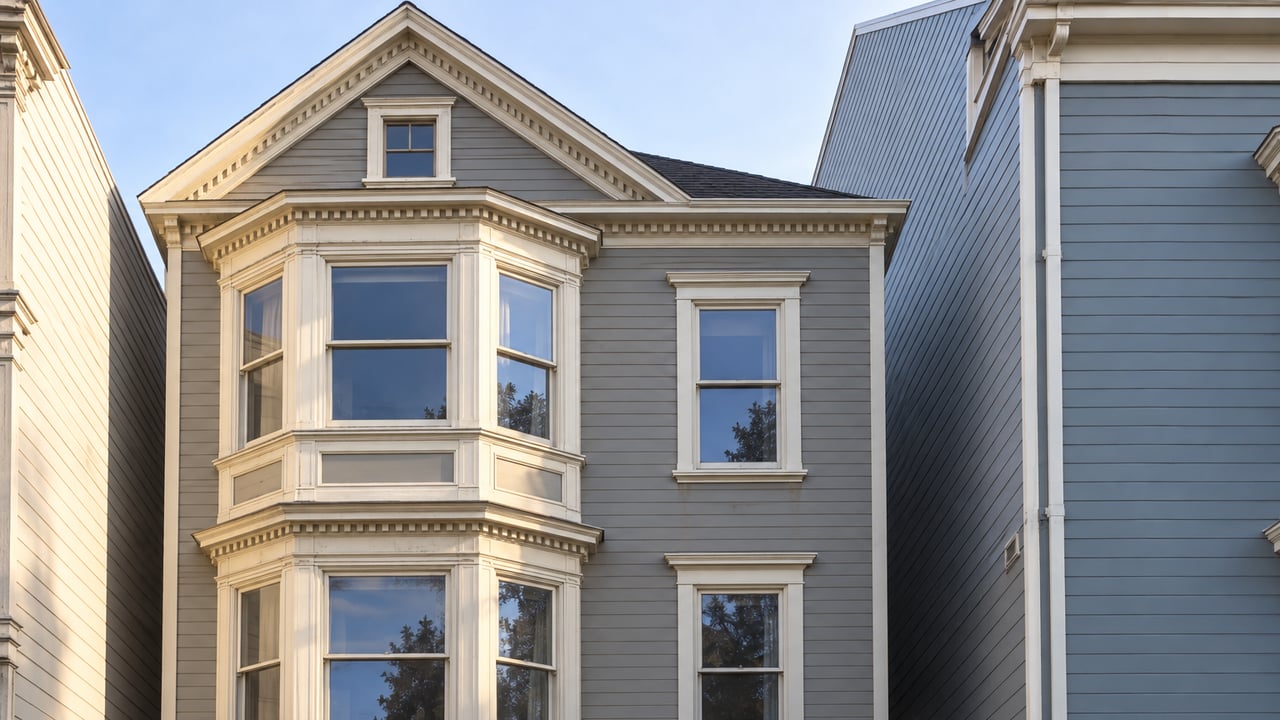
San Francisco planning guidance describes Pacific Heights through its Bay views, landscaped grounds, detailed residences, and carefully scaled streetscapes. In parts of the neighborhood, formal detached dwellings, setbacks, site walls, and Period Revival architecture are part of what gives the area its identity. That means presentation matters both inside and out.
Market data points to a premium, fast-moving submarket. In May 2026, Redfin reported a median sale price of $2,429,183 and a median 13 days on market, while Zillow reported a typical home value of $2,015,563 with homes pending in about 13 days. The exact numbers vary by methodology, but the message is clear: buyers are moving quickly, and condition can influence both urgency and price.
That lines up with broader buyer behavior. The 2025 Remodeling Impact Report found that 46% of buyers are less willing to compromise on home condition, which is a strong signal for sellers considering what to tackle before listing.
Start with curb appeal
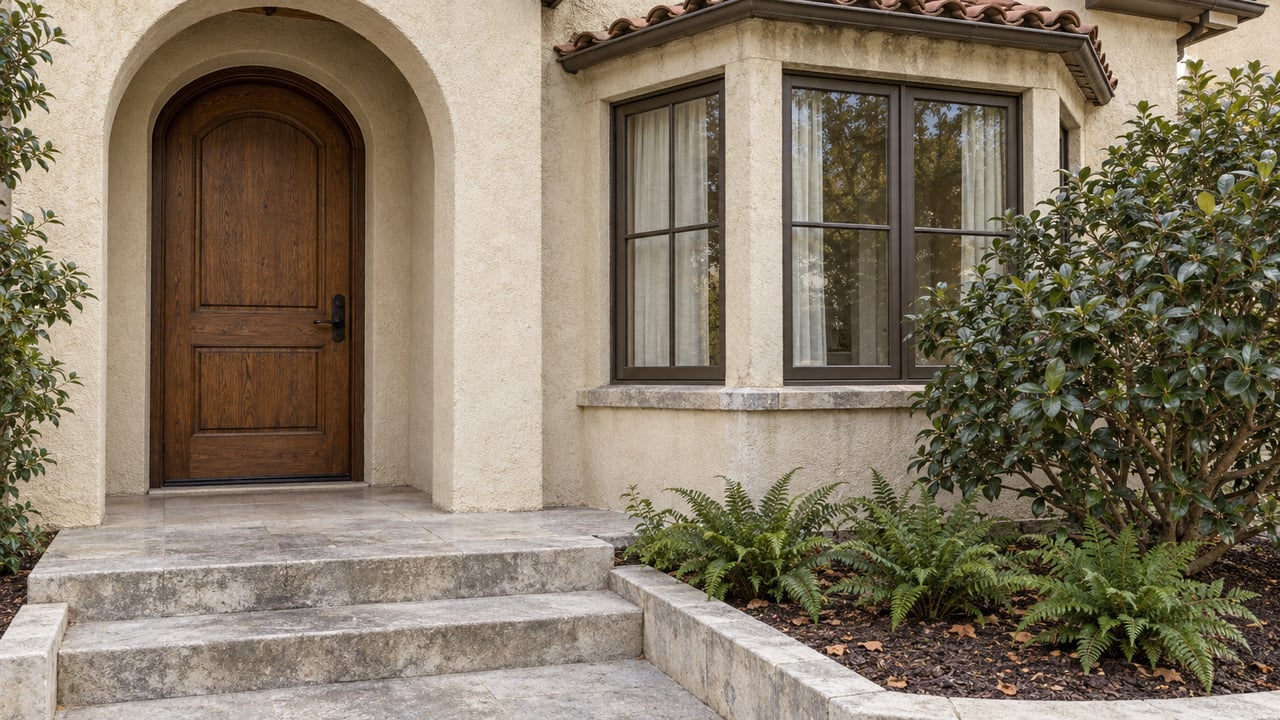
In Pacific Heights, your exterior sets expectations before a buyer reaches the front door. Because the neighborhood is known for landscaped setbacks, formal entries, stairs, and distinctive façades, even small visible improvements can shape the first impression.
The highest-impact exterior work is usually practical rather than flashy. National resale data shows strong recovery for standard lawn care service, landscape maintenance, overall landscape upgrades, and new patios, while REALTORS commonly recommend curb-appeal improvements before listing.
For many Pacific Heights homes, that often means focusing first on the basics:
- Pruning and planting
- Cleaning hardscape and paving
- Repairing stairs and railings
- Refreshing the entry sequence
- Polishing or repainting the front door
- Tidying fences, walls, and visible exterior details
These updates support the neighborhood’s established character without competing with it. A crisp, well-maintained exterior can signal that the rest of the property has been cared for too.
Refresh kitchens and baths wisely
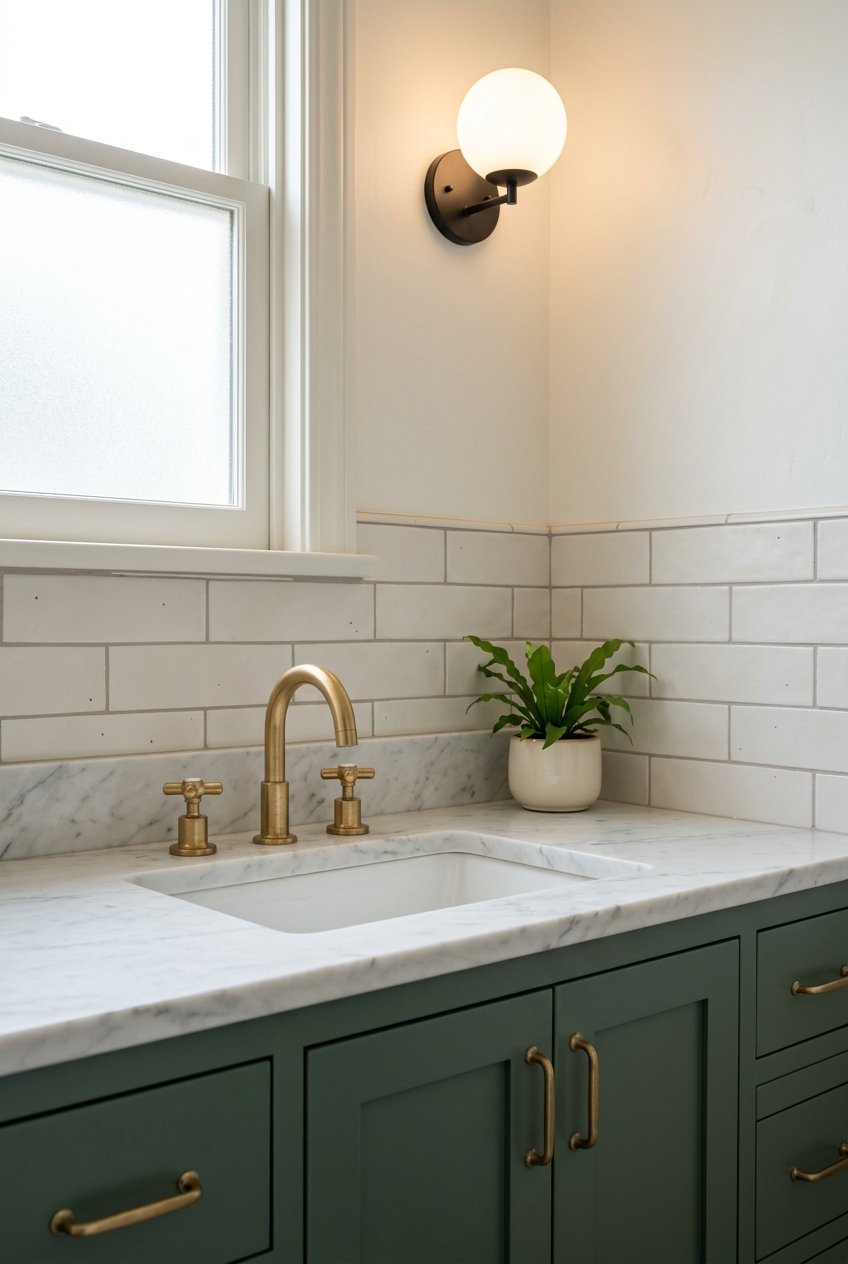
Kitchens and baths still matter, but that does not always mean a full renovation. In many Pacific Heights homes, buyers respond best to spaces that feel clean, current, and functional while still fitting the home’s architecture.
The 2025 Remodeling Impact Report notes increased demand for kitchen upgrades, new roofing, and bathroom renovations in the last two years. It also reports that a kitchen overhaul tends to recover about 75% of cost at resale, which is solid but not a guarantee that every major remodel will pay off.
In this neighborhood, a selective refresh is often the better move unless the existing layout is clearly not working. You may get more traction from visible, high-use improvements like:
- New or refinished counters
- Updated cabinet hardware
- Replaced faucets and fixtures
- Better lighting
- Fresh paint
- Repaired or refreshed tile and surfaces
This approach can help your home feel move-in ready without over-customizing it for your own taste. Buyers in Pacific Heights are often buying both condition and character, so thoughtful restraint usually wins.
Use paint, floors, and lighting to highlight character
Some of the most effective pre-sale updates are also the least glamorous. Fresh paint, repaired plaster, refinished floors, and better lighting can change how buyers experience a room in person and in photos.
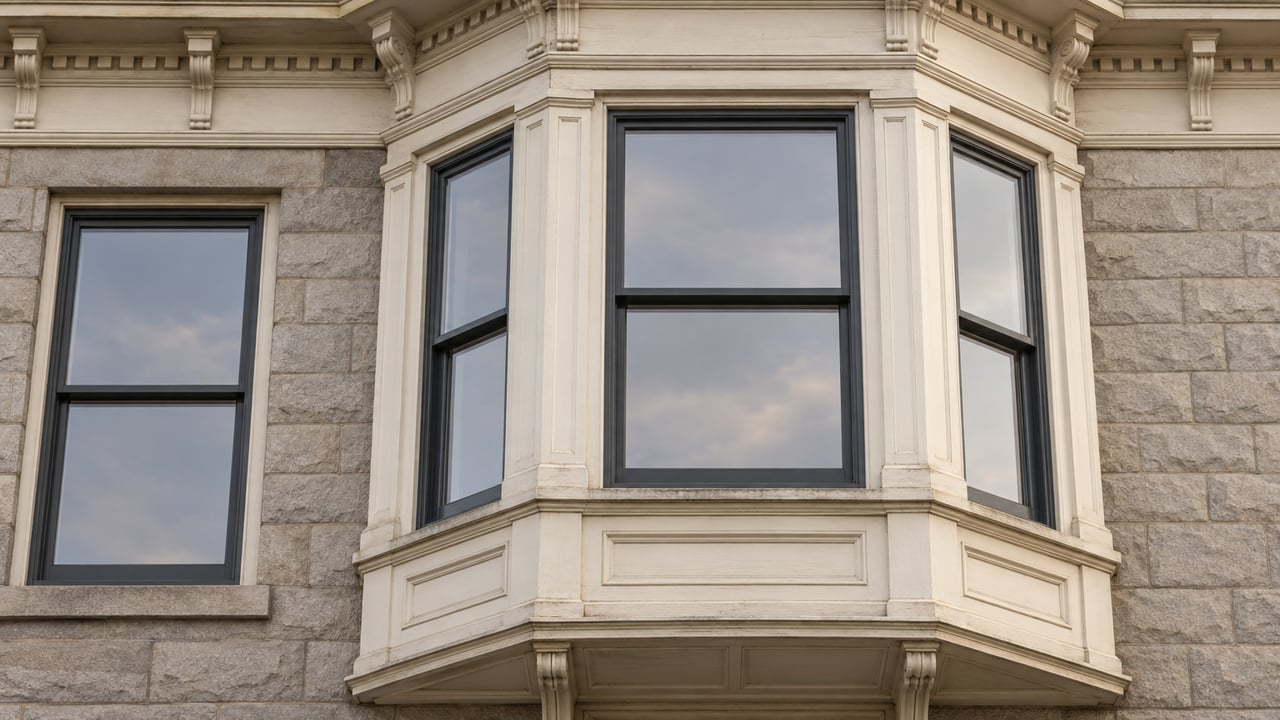
San Francisco planning guidance emphasizes the value of older buildings for their texture, scale, materials, and detail. It also notes that conserving distinctive areas requires attention to proportion, texture, color, and building form. In practical terms, that supports updates that brighten and refine the home without stripping away period detail.
Before you invest in highly specific finishes, consider whether your home would benefit more from:
- Neutral, well-executed paint
- Refinished hardwood floors
- Repaired wall or ceiling surfaces
- Layered lighting in dim rooms
- Replacing worn or dated light fixtures with understated options
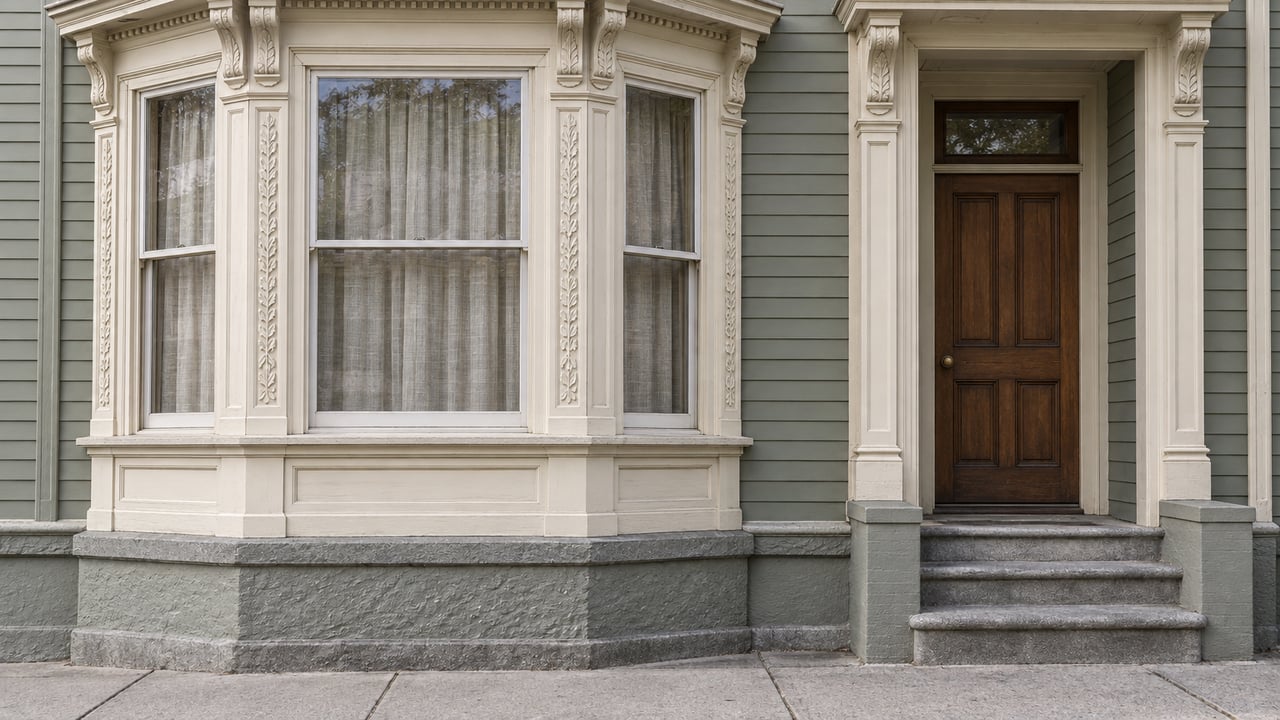
In Pacific Heights, architecture often carries a meaningful part of the home’s value story. Your goal is not to make the house generic. It is to make its original strengths feel clean, calm, and easy to appreciate.
Fix deferred maintenance before cosmetic extras
If you are deciding between a visible luxury upgrade and a needed repair, the repair usually comes first. Buyers may admire beautiful staging and finishes, but unresolved condition issues can quickly undermine confidence.
The same 2025 Remodeling Impact Report found that buyers are less tolerant of condition problems than in the past. That makes unfinished patchwork, roof leaks, aging systems, or obvious wear more damaging than simply having a kitchen that is not brand new.
A practical pre-sale maintenance list may include:
- Roofing repairs
- Plumbing repairs
- Electrical work
- Window or door issues
- Stair or deck repairs
- Water intrusion investigation
- Pest control, if needed
This type of work may not create the drama of a major remodel, but it can reduce friction once buyers start asking deeper questions. In a fast-moving luxury market, confidence matters.
Keep smart-home upgrades discreet
Technology can help, but in Pacific Heights it usually works best when it is quiet and integrated. Buyers may appreciate convenience and protection, but they are not always looking for visible gadgetry.
NAR’s 2025 buyer and seller trends report found that smart home features were a purchase reason for 11% of buyers. Separate renovation trend reporting also showed strong homeowner interest in specialty appliance features, including remote controls and precise temperature settings.
For pre-sale purposes, the most useful smart upgrades are often:
- Smart thermostats
- Leak sensors
- Integrated lighting controls
- Security systems
- Video entry or doorbell systems
These features can make a home feel current without distracting from moldings, millwork, or other period elements. In a neighborhood where visual harmony matters, subtlety is usually the smarter choice.
Avoid the wrong kind of over-improvement
In Pacific Heights, the biggest risk is often not under-updating. It is spending heavily on changes that clash with the property or the block.
Planning guidance for the neighborhood and its historically sensitive areas points to the importance of scale, form, proportion, texture, color, and materials. If your property is identified as a historic resource, or if the structure is 45 years old or greater, San Francisco Planning says you should consult a Historic Preservation Specialist.
That is why sellers should be careful with:
- Large additions right before sale
- Major façade changes
- Highly customized finishes
- Work that disrupts established setback or entry patterns
- Design choices that erase original architectural character
Well-chosen updates should help buyers connect with the home more easily. They should not make buyers wonder whether the work fits the house.
Plan around San Francisco permits
Your timeline matters almost as much as your scope. In San Francisco, some updates are relatively straightforward, while others require more review, especially in older or historically sensitive properties.
SF.gov notes that kitchen or bathroom remodels without floor plan changes, moving walls, or adding a new shower or bathtub can qualify as no-plan projects. The city also lists same-size window replacements, doors, siding repair, roofing, and some deck or stair repairs among no-plan items.
Current Department of Building Inspection guidance also indicates that simple projects such as kitchen and bath remodels or installing windows and doors are often handled over the counter. The city’s FY25 performance reporting notes that some over-the-counter no-plans permits now include instant online options.
For sellers, that creates a practical takeaway: cosmetic-first, in-kind, non-structural work is often easier to sequence before listing than a major redesign. If your home may involve historic review, bring that question forward early so you can avoid delays.
A practical pre-sale sequence
For most Pacific Heights sellers, a measured sequence works better than trying to do everything at once. The goal is to protect value, manage time, and put your budget where buyers will feel it most.
A strong 6- to 18-month pre-sale plan often looks like this:
- Inspect the property and identify deferred maintenance.
- Prioritize repairs that affect buyer confidence.
- Determine which updates may need permits.
- Focus on cosmetic improvements with broad appeal.
- Stage and prepare the home for market.
- Launch with the right exposure strategy.
This kind of planning can help you make decisions with less stress and fewer last-minute surprises. It also creates space to weigh whether every project is truly worth doing.
How Compass Concierge can help
If you want to make meaningful updates without paying all costs upfront, Compass Concierge may be worth considering. According to Compass, the program can front the cost of staging, flooring, painting, landscaping, kitchen and bathroom improvements, electrical work, plumbing repairs, roofing repair, moving or storage, pest control, and more.
Compass states that there is zero due until closing, with repayment due when the home sells, the listing ends, or 12 months pass, subject to terms. For sellers who want a polished presentation without disrupting liquidity, that can create useful flexibility.
Compass also offers Private Exclusives and Coming Soon marketing before a full public launch. For some Pacific Heights sellers, especially those who value discretion or want to test early interest, that can be an important part of the broader strategy.
A thoughtful pre-sale plan is rarely about doing the most work. It is about doing the work that helps Pacific Heights buyers see your home clearly, trust its condition, and appreciate its architectural value from the start. If you are weighing what to update, what to skip, and how to sequence it all, Victoria Stewart can help you build a tailored plan with the local judgment and white-glove execution this market often requires.
FAQs
What pre-sale updates matter most to Pacific Heights buyers?
- The updates most likely to matter are curb appeal improvements, fresh paint, refinished floors, repaired plaster, selective kitchen and bath refreshes, better lighting, and deferred maintenance fixes that improve buyer confidence.
Should you fully renovate a Pacific Heights kitchen before selling?
- Not always. In many cases, a selective refresh with updated surfaces, hardware, fixtures, and lighting is more practical than a full redesign unless the layout is clearly dysfunctional.
Do Pacific Heights sellers need permits for cosmetic updates?
- Some cosmetic work may be simpler to handle, and SF.gov notes that certain in-kind kitchen, bath, window, door, roofing, siding, and stair projects can qualify as no-plan work, but older or historically sensitive properties may need additional review.
How do historic considerations affect Pacific Heights pre-sale work?
- San Francisco Planning says that if a structure is identified as a historic resource, or if it is 45 years old or greater, owners should consult a Historic Preservation Specialist before moving forward with relevant work.
What should Pacific Heights sellers avoid updating before listing?
- It is usually wise to avoid highly customized finishes, major façade changes, large additions, and any work that conflicts with the home’s period character or the established pattern of the block.
Can Compass Concierge help pay for Pacific Heights pre-sale improvements?
- Yes. Compass says Concierge can front the cost of eligible services such as painting, flooring, landscaping, staging, kitchen and bath improvements, electrical work, plumbing repairs, roofing repair, pest control, and more, with repayment due later under program terms.