If you are looking for a home that feels unmistakably San Francisco, Mission Dolores deserves a close look. This pocket of the city offers classic flats, strong transit access, and one of San Francisco’s best-known parks, all within a dense urban setting that supports everyday convenience. For buyers and investors, the real opportunity is knowing how to read the housing stock, assess building condition, and spot the difference between charm and costly surprises. Let’s dive in.
Why Mission Dolores Stands Out
Mission Dolores sits within the larger Mission District, and it is one of the city’s oldest and most historically layered areas. San Francisco Planning notes that the broader district includes Mission Dolores, founded in 1776, and much of the surrounding residential fabric grew during the streetcar-suburb era of the 1870s and 1880s, followed by extensive rebuilding after 1906.
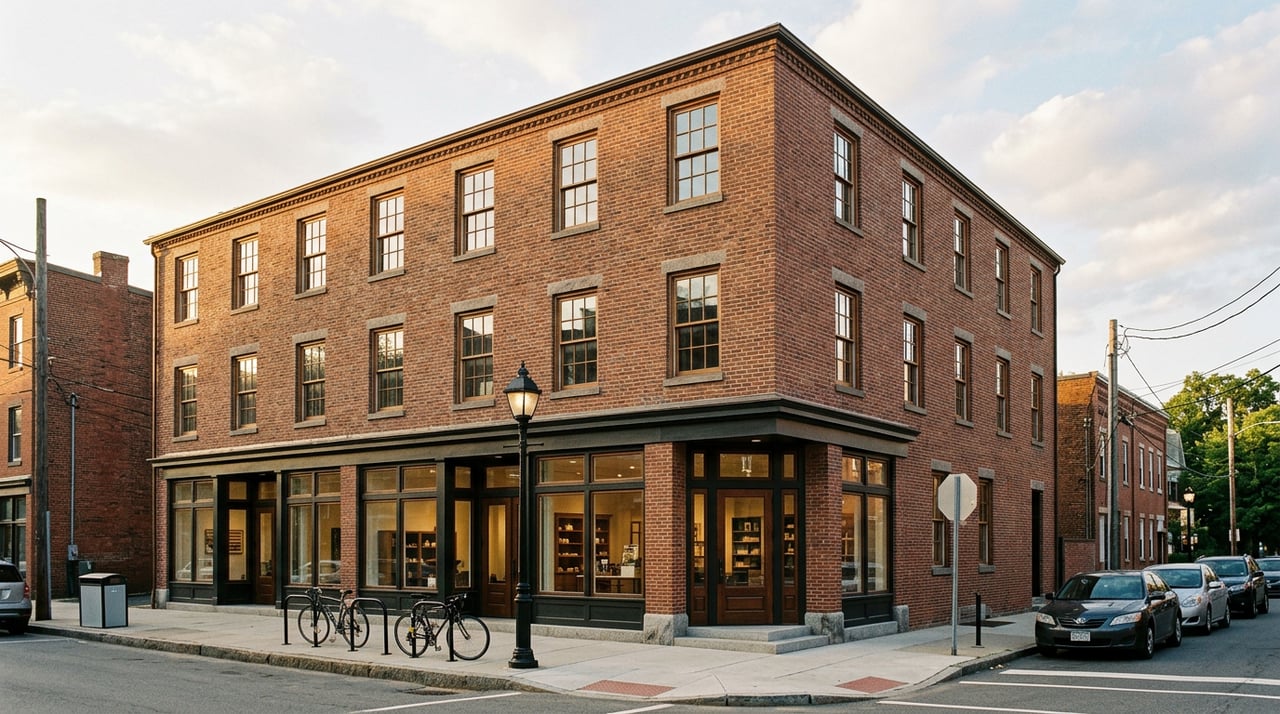
That history matters because it shapes what you are most likely to buy here. In Mission Dolores, the neighborhood pattern is generally defined by older, low-rise residential buildings rather than large condo towers. If you are hoping for an urban home with architectural character and a central location, that can be a major draw.
Mission Dolores Building Types
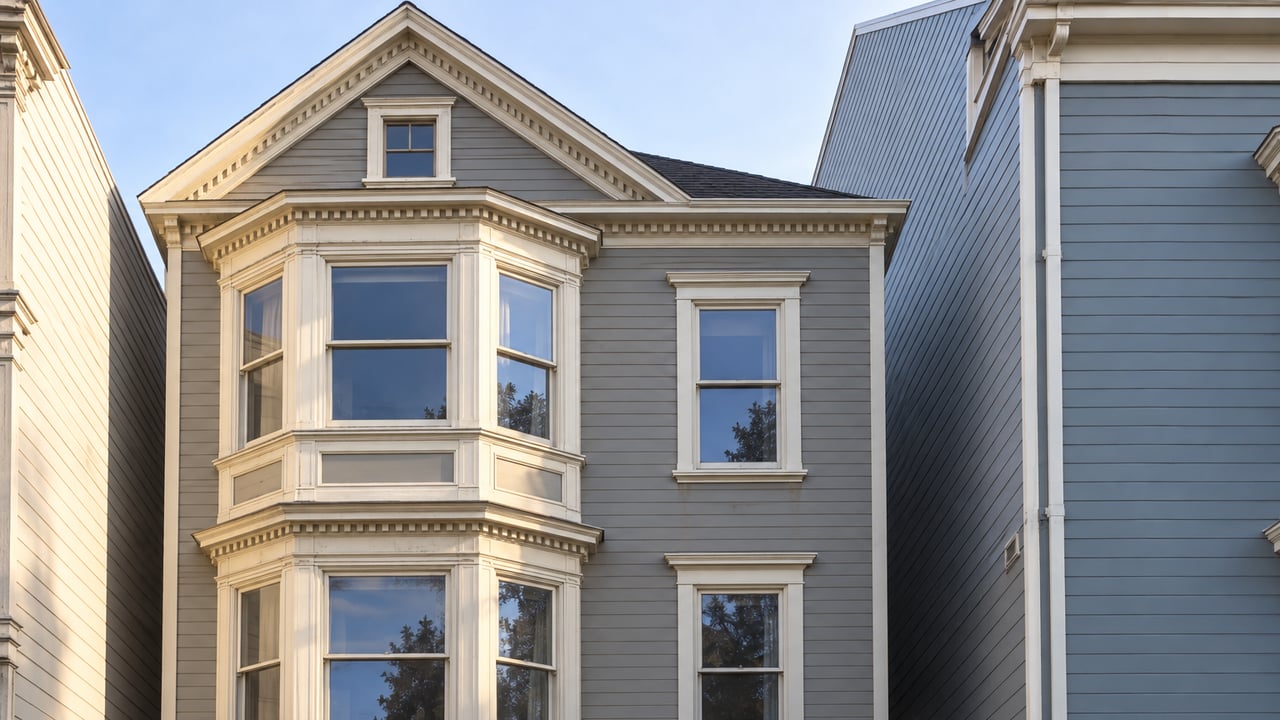
The most common residential property type in Mission Dolores is the flat. According to the neighborhood survey, these buildings are often two to four stories, usually wood-frame, and commonly designed with one unit per floor.
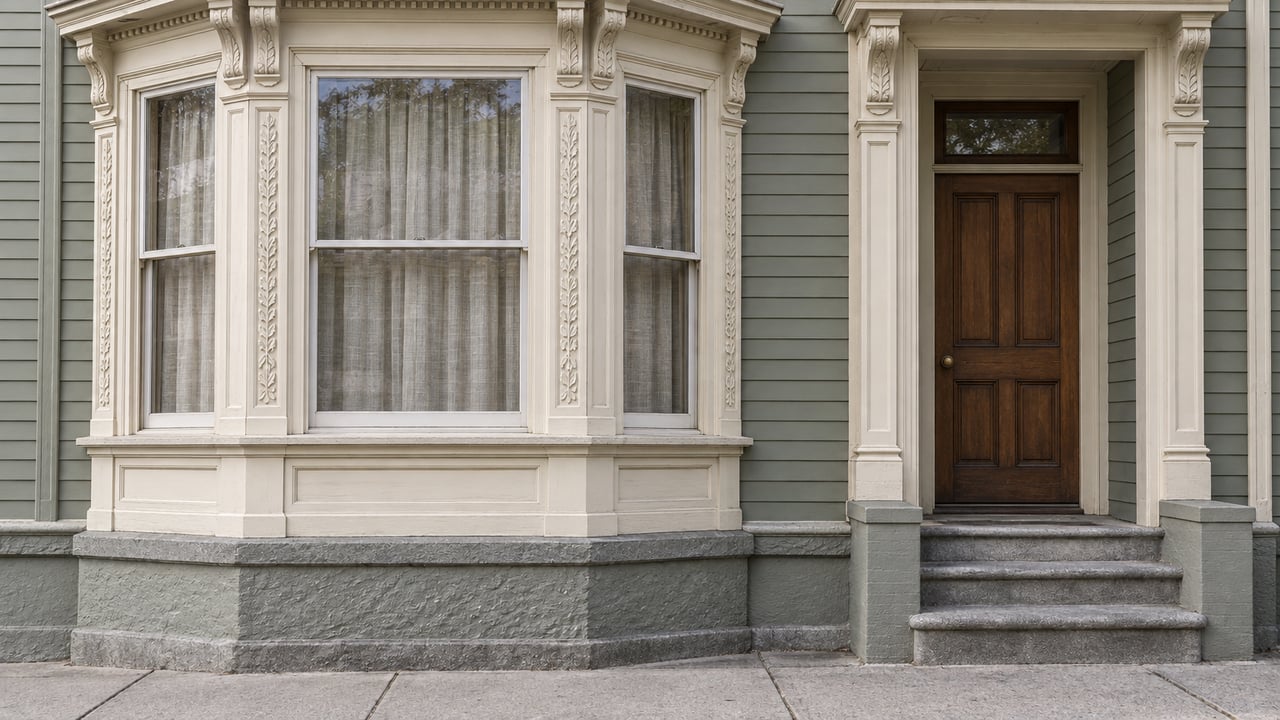
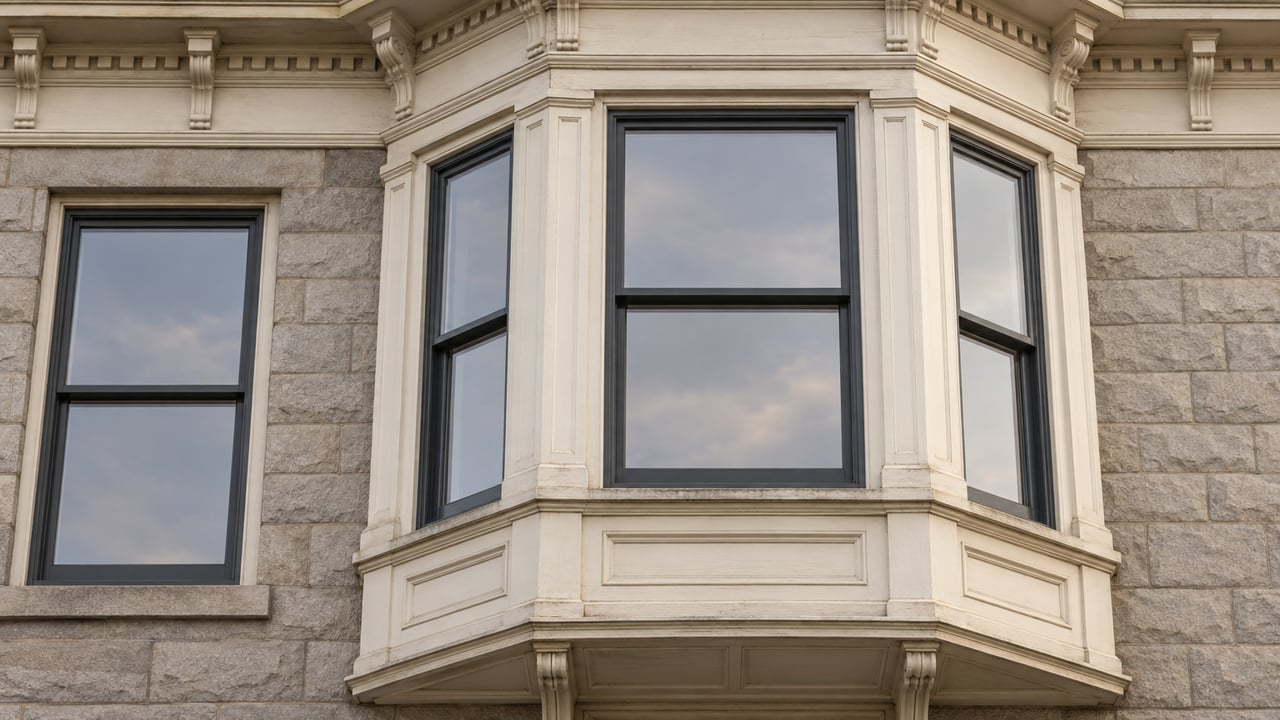
You will also see familiar San Francisco features like projecting bay windows, raised basements, and soft-story conditions in some properties. A common subtype is the double flat, which places two through-units on a single floor. Architecturally, these buildings may reflect Edwardian, Classical Revival, Exotic Revival, or Art Deco influences.
What That Means for Buyers
In practical terms, many Mission Dolores homes offer charm, scale, and street presence rather than a long list of modern tower amenities. You may find more original detailing and more intimate building layouts, but you may also encounter older systems, shared maintenance obligations, and less private outdoor space.
That tradeoff is often part of the appeal. Many buyers choose Mission Dolores because they want an authentic urban environment where the neighborhood itself functions as an extension of the home.
Urban Living Benefits
Mission Dolores works especially well for buyers who value location efficiency. SFMTA describes the Mission as a lively neighborhood with shops, eateries, landmarks, murals, parks, and small businesses, while BART highlights the mix of restaurants, markets, performance spaces, shops, and nightlife around Mission Street.
For many buyers, that means your daily routine can become far more walkable and connected. You are not simply buying square footage. You are buying access to transit, open space, dining, and services that support city living.
Transit Access in Mission Dolores
Transit is one of the neighborhood’s biggest strengths. The 16th Street Mission BART station is located at 2000 Mission Street, and the 24th Street Mission BART station is at 2800 Mission Street.
SFMTA also lists the J Church line and several bus routes serving the area, including the 14 Mission, 14R Mission Rapid, 22 Fillmore, and 33 Ashbury/18th Street. For commuters and buyers who want flexibility without depending on a car for every trip, that is a meaningful advantage.
Dolores Park as Daily Amenity
Mission Dolores Park is another major part of the neighborhood story. San Francisco Recreation and Parks says the park is nearly 16 acres and includes athletic fields, tennis courts, a basketball court, a playground, dog play areas, picnic areas, and restrooms.
The park is bounded by Church, Dolores, 18th, and 20th streets, with the J Church line running along its western edge. In a neighborhood where many older flats may not offer large private outdoor areas, proximity to Dolores Park can play an outsized role in livability.
What to Review Before You Buy
A Mission Dolores condo or flat can be a smart purchase, but due diligence matters. Older San Francisco buildings often require a closer look at structural issues, shared maintenance planning, and building records.
The goal is not to avoid older housing stock. It is to understand it clearly before you commit.
Seismic Retrofit Questions
San Francisco’s Mandatory Soft Story Retrofit Ordinance applies to wood-frame structures with five or more residential units, two or more stories over a soft or weak story, and an original permit date before January 1, 1978. This is especially relevant in Mission Dolores because many flats are wood-frame buildings with raised basements or soft-story conditions.
If you are considering a larger multi-unit building organized as condos, ask whether the property falls under the ordinance and whether required work has been completed. This can help you understand both safety planning and possible cost exposure.
HOA Financial Health
In condo buildings, the homeowners association can tell you a great deal about the property’s long-term condition. California law requires qualifying associations to conduct a reasonably competent and diligent visual inspection of accessible major components at least once every three years for reserve-study purposes.
Annual budget materials must also include an Assessment and Reserve Funding Disclosure Summary. The California Department of Real Estate notes that the reserve study should disclose to buyers and lenders how the association is funding long-term non-annual maintenance needs.
Exterior Deck and Balcony Inspections
Exterior elevated elements deserve careful attention. California Civil Code requires a visual inspection of accessible exterior elevated elements at least once every nine years, with the first inspection completed by January 1, 2025, and then every nine years after that in coordination with the reserve-study cycle.
If a building has decks, balconies, stairways, or similar exterior elements, ask for documentation showing the current status of these inspections. This can reveal whether the building is staying ahead of maintenance and compliance obligations.
Historic Status and Renovation Planning
Mission Dolores is especially rich in historic resources, and that can affect renovation plans. San Francisco Planning uses historic context statements and surveys to evaluate designation and significance, including properties connected to early residential development and post-earthquake construction.
If you are buying a home with plans for exterior changes, additions, or façade work, do not assume the process will be simple. It is wise to verify whether the building is a historic resource or contributes to a historic district before making assumptions about future improvements.
A Smart Checklist for Investors
For investors and urban professionals, Mission Dolores is often a location-driven decision. Strong transit, access to Dolores Park, and a dense mix of restaurants and services can make the neighborhood highly functional for daily life.
That said, building quality and HOA discipline often matter as much as location. A charming low-rise building can be a strong asset, but only if maintenance planning supports it.
Documents to Request
Before you make an offer on a condo or flat in Mission Dolores, ask for:
- The current HOA budget
- The latest reserve study
- The reserve funding summary
- Any known special assessments
- Records of recent capital projects
- Information on pending capital projects
- Documentation related to seismic retrofit work, if applicable
- Documentation related to exterior elevated element inspections, if applicable
These materials can help you judge whether a building’s finances, maintenance habits, and shared systems are aligned with the price you are paying.
How to Think About Value Here
Mission Dolores is not always about getting the most square footage for the money. More often, it is about balancing architecture, access, and everyday livability in one of San Francisco’s most established urban settings.
If you are comparing options, focus on the full picture. Look at the building type, condition, shared systems, HOA planning, transit access, and how often you will realistically use nearby amenities like Dolores Park and BART.
For many buyers, that combination is exactly what makes Mission Dolores compelling. The right purchase here is usually one where the building’s character is matched by careful stewardship and strong documentation.
If you are exploring Mission Dolores condos or flats and want a thoughtful, discreet perspective on building quality, location fit, and buying strategy, connect with Victoria Stewart.
FAQs
What property types are most common in Mission Dolores?
- Older flats are the most common residential property type, especially two- to four-story wood-frame buildings with one unit per floor and a common double-flat subtype.
How good is transit access in Mission Dolores?
- Transit access is strong, with nearby BART stations at 16th Street Mission and 24th Street Mission, plus Muni service including J Church, 14 Mission, 14R Mission Rapid, 22 Fillmore, and 33 Ashbury/18th Street.
Why is Dolores Park important for Mission Dolores buyers?
- Dolores Park adds nearly 16 acres of open space and recreation in a neighborhood where many older flats may have limited private outdoor space.
What HOA documents should Mission Dolores condo buyers review?
- You should review the HOA budget, reserve study, reserve funding summary, any known special assessments, and records of recent or pending capital projects.
Do historic rules matter when buying a Mission Dolores flat?
- Yes. If you plan exterior changes or additions, you should verify whether the building is a historic resource or contributes to a historic district before assuming renovations will be straightforward.