3,924 people live in Alamo Square, where the median age is 37 and the average individual income is $112,182. Data provided by the U.S. Census Bureau.
Total Population
Median Age
Population Density Population Density This is the number of people per square mile in a neighborhood.
Average individual Income
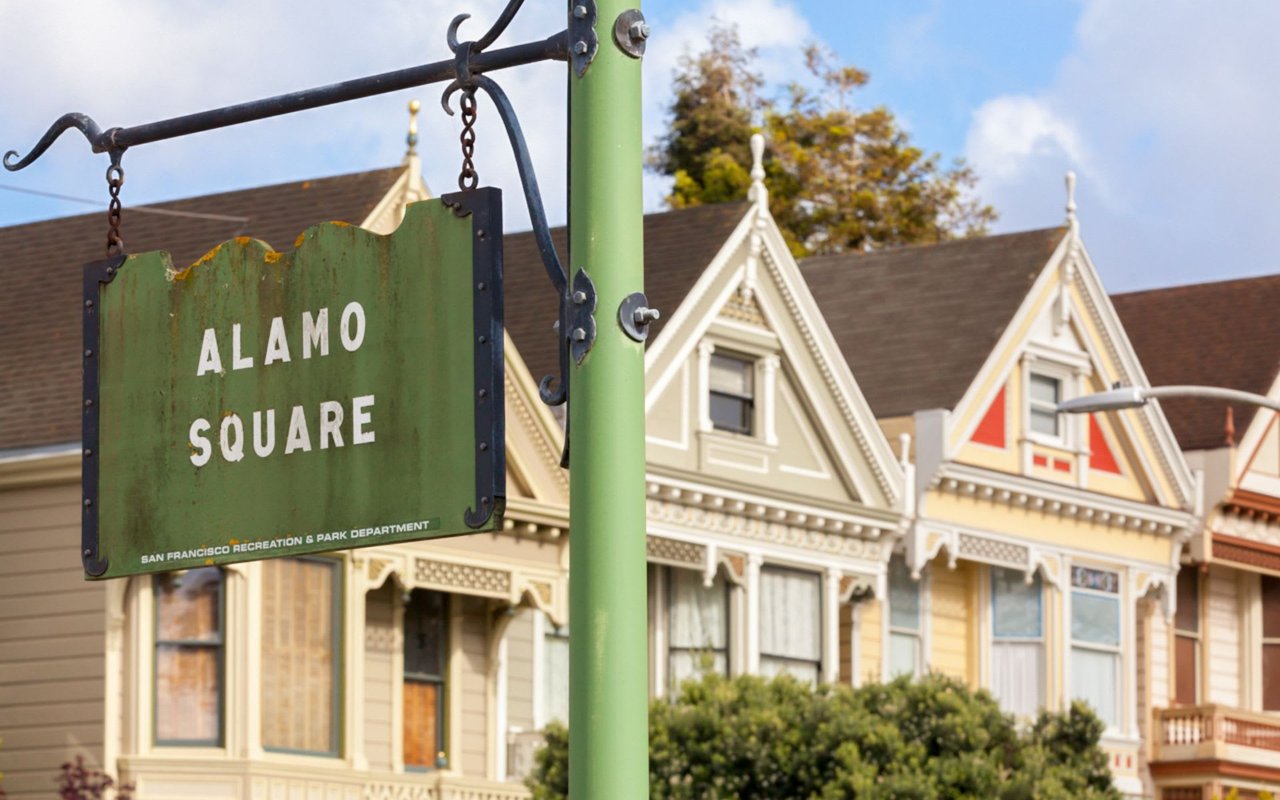
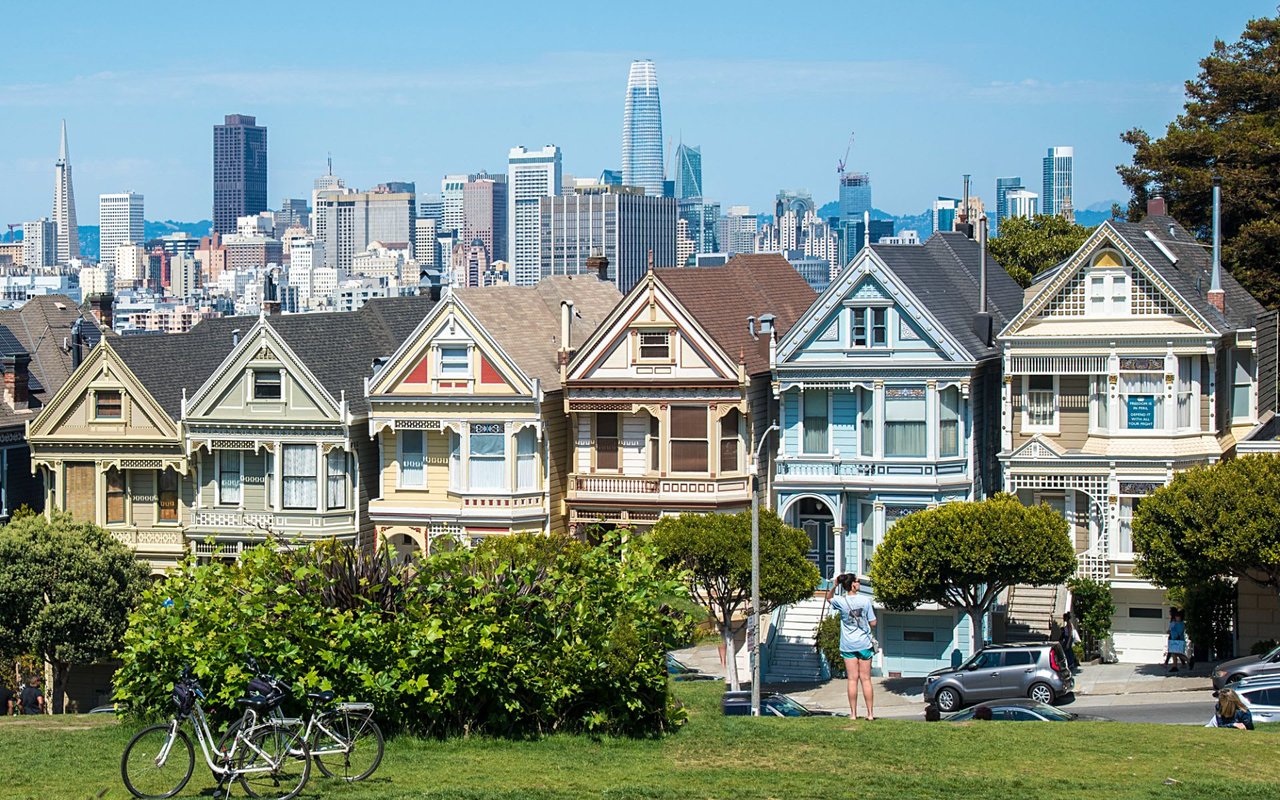
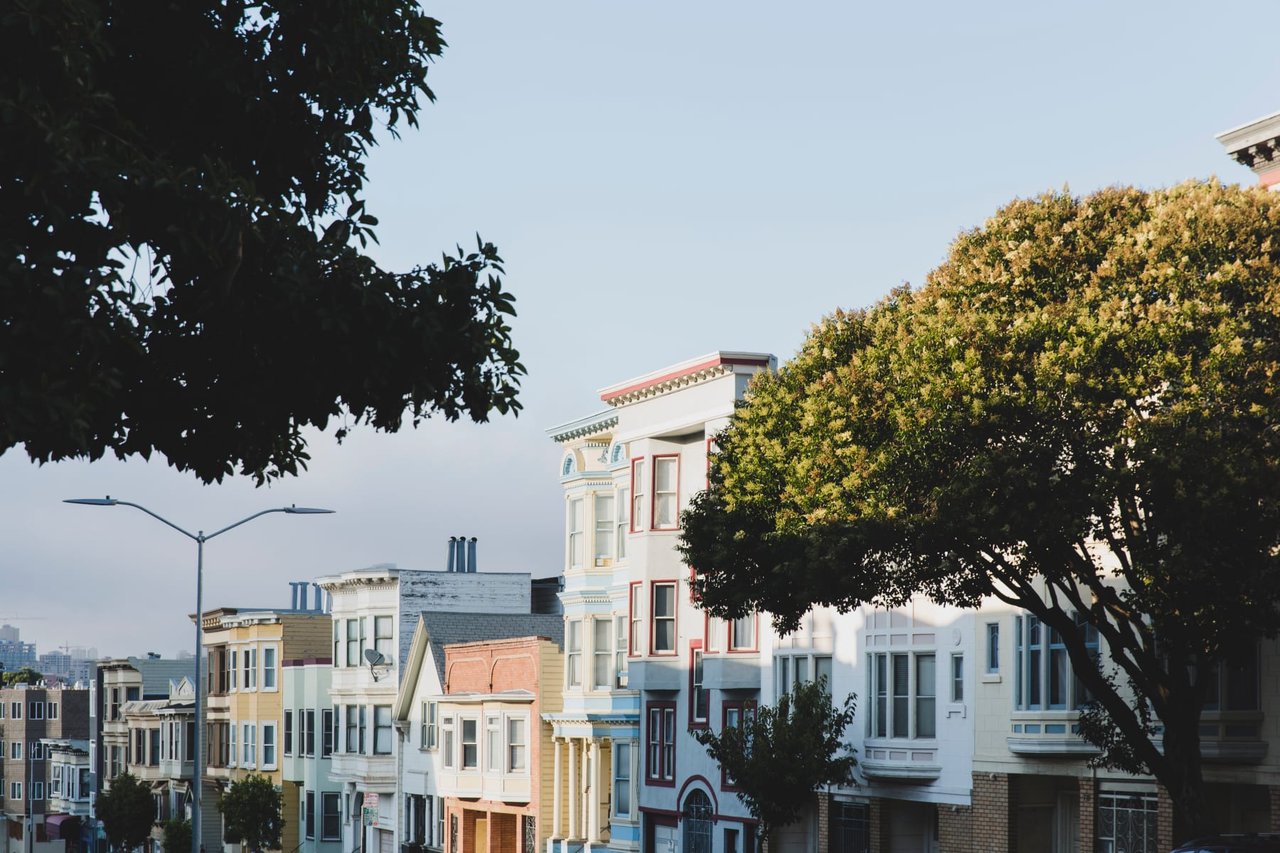
Alamo Square is famous around the world for one view: a row of pastel Victorians on Steiner Street with the downtown skyline behind them. The people who live here know the neighborhood for more than that. Past the tour buses on the park's east slope, Alamo Square is one of San Francisco's most complete residential neighborhoods. It has a hilltop park that works as a shared backyard, blocks of carefully kept 19th-century homes, and two of the city's best dining corridors a few minutes' walk away in either direction.
For buyers, the main appeal is balance. Homes here carry real historic character and are protected by the city's preservation rules. The neighborhood still has everyday conveniences you'd expect from central San Francisco, like frequent Muni lines, walkable errands, and restaurants that draw people from across the city. The trade-offs are also real: premium prices, limited inventory, steep grades, and the maintenance that comes with owning a 125-year-old house. This guide covers all of it so you can decide whether Alamo Square fits the way you want to live.
Alamo Square sits on a hill in the geographic center of San Francisco, within the larger Western Addition district. Its height gives many homes clear views east toward downtown and the Financial District. It also means you'll climb a hill to get home from almost any direction.
Brokerages and city maps draw the lines a little differently. For most buyers, the practical footprint is Golden Gate Avenue to the north, Fell Street to the south, Divisadero Street to the west, and Webster Street to the east. Some definitions stop at Hayes Street on the south or Fillmore Street on the east. When you look at listings on the edges, it helps to know that a home on Fell or Webster may be marketed as Alamo Square, NOPA, Hayes Valley, or Lower Haight depending on the agent.
That position between neighborhoods is a big part of the appeal. NOPA (North of Panhandle) and the Divisadero corridor are to the west. Hayes Valley is to the southeast, the Lower Haight is to the south, and the Fillmore is to the east. Few San Francisco addresses put this many distinct neighborhoods within a 10 to 15 minute walk.
Alamo Square's history explains why it looks the way it does today. The hilltop was set aside as public open space in the 1850s, during the era of the Van Ness Ordinance, when the city was organizing its western lands. The name is usually traced to a lone cottonwood tree on the hill, since álamo is Spanish for cottonwood or poplar. Reserving the park early meant the neighborhood grew around a large green center instead of filling it in.
Serious residential building came in the late 1800s. Between 1892 and 1896, developer Matthew Kavanaugh built the row of Queen Anne homes on Steiner Street that would become Postcard Row. Wealthy San Franciscans built large homes on the surrounding blocks during the same period, which gave the neighborhood its dense and ornate Victorian character.
The 1906 earthquake and fire shaped Alamo Square more than any other event. The fire destroyed much of the city east of Van Ness Avenue, but it did not reach this hilltop. Alamo Square's housing stock survived largely intact, and the park served as a refuge for displaced residents in the weeks afterward. That is why the neighborhood has one of the highest concentrations of pre-1906 architecture anywhere in the city.
The colors came much later. By the mid-20th century, many Victorians had been covered in plain gray paint, some of it reportedly military surplus from World War II. In 1963, local artist Butch Kardum painted his Italianate Victorian in bold blues and greens. Neighbors and other owners followed, and the "colorist" movement spread across the city. In 1984, the city formally designated the Alamo Square Historic District, which protects the neighborhood's historic buildings from demolition and inappropriate exterior changes.
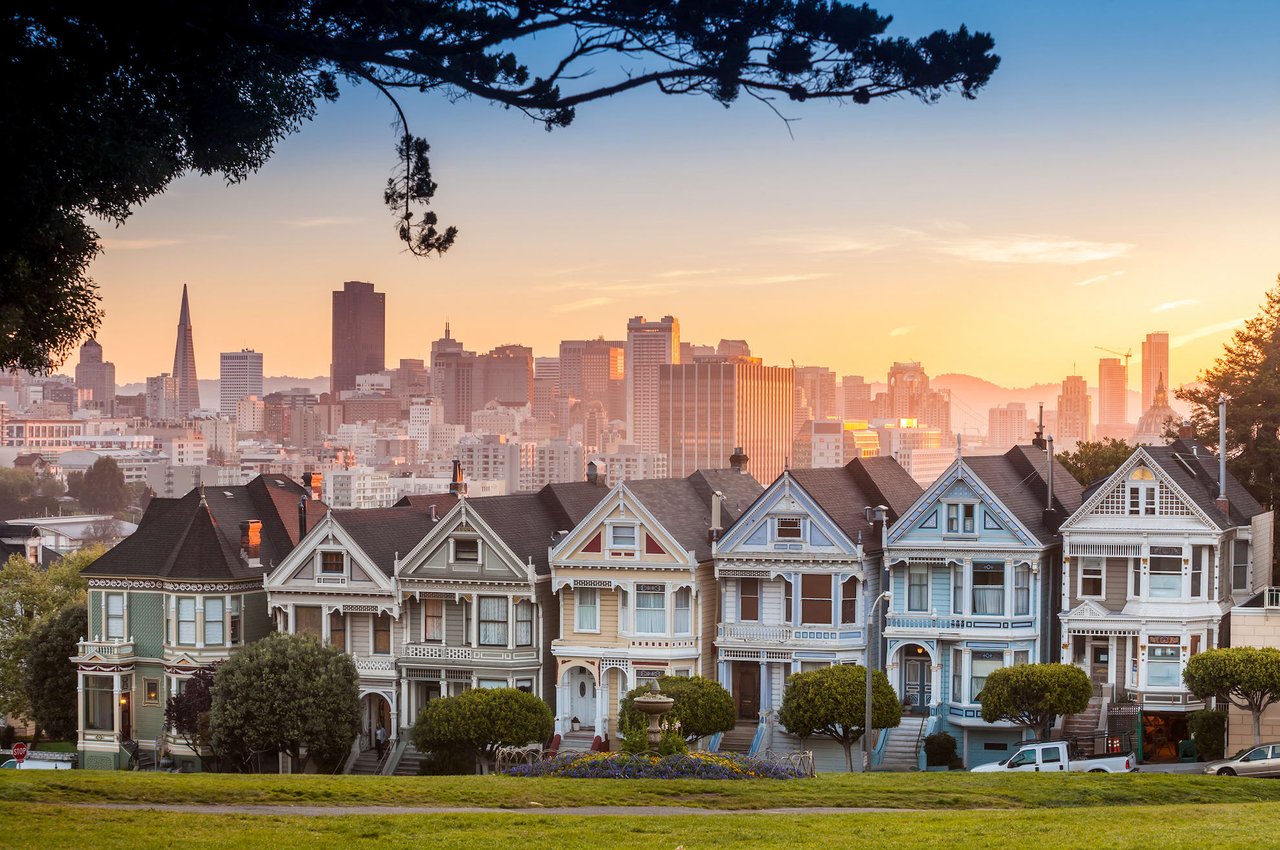
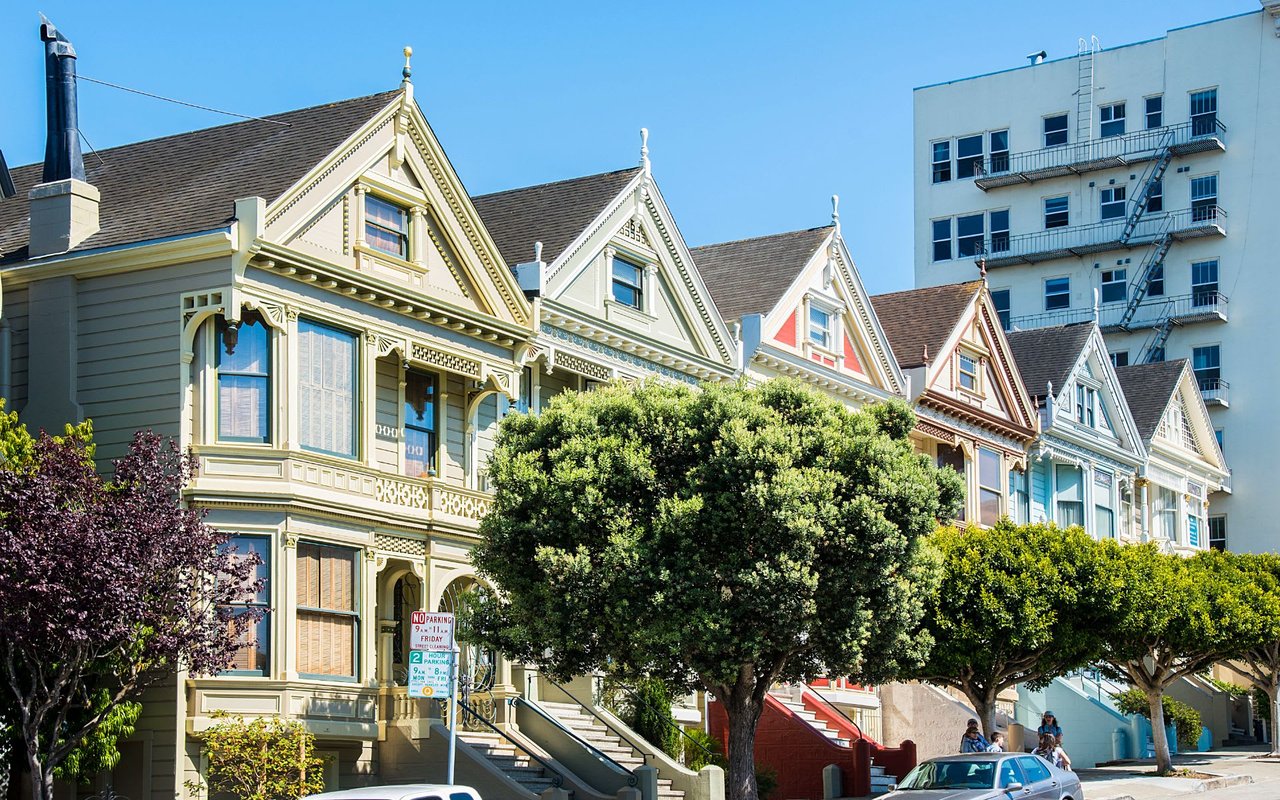
"Painted Ladies" is a general term for Victorian and Edwardian homes painted in three or more colors to highlight their architectural details. The most famous group is Postcard Row, also called the Seven Sisters, at 710 to 720 Steiner Street across from the park's eastern edge.
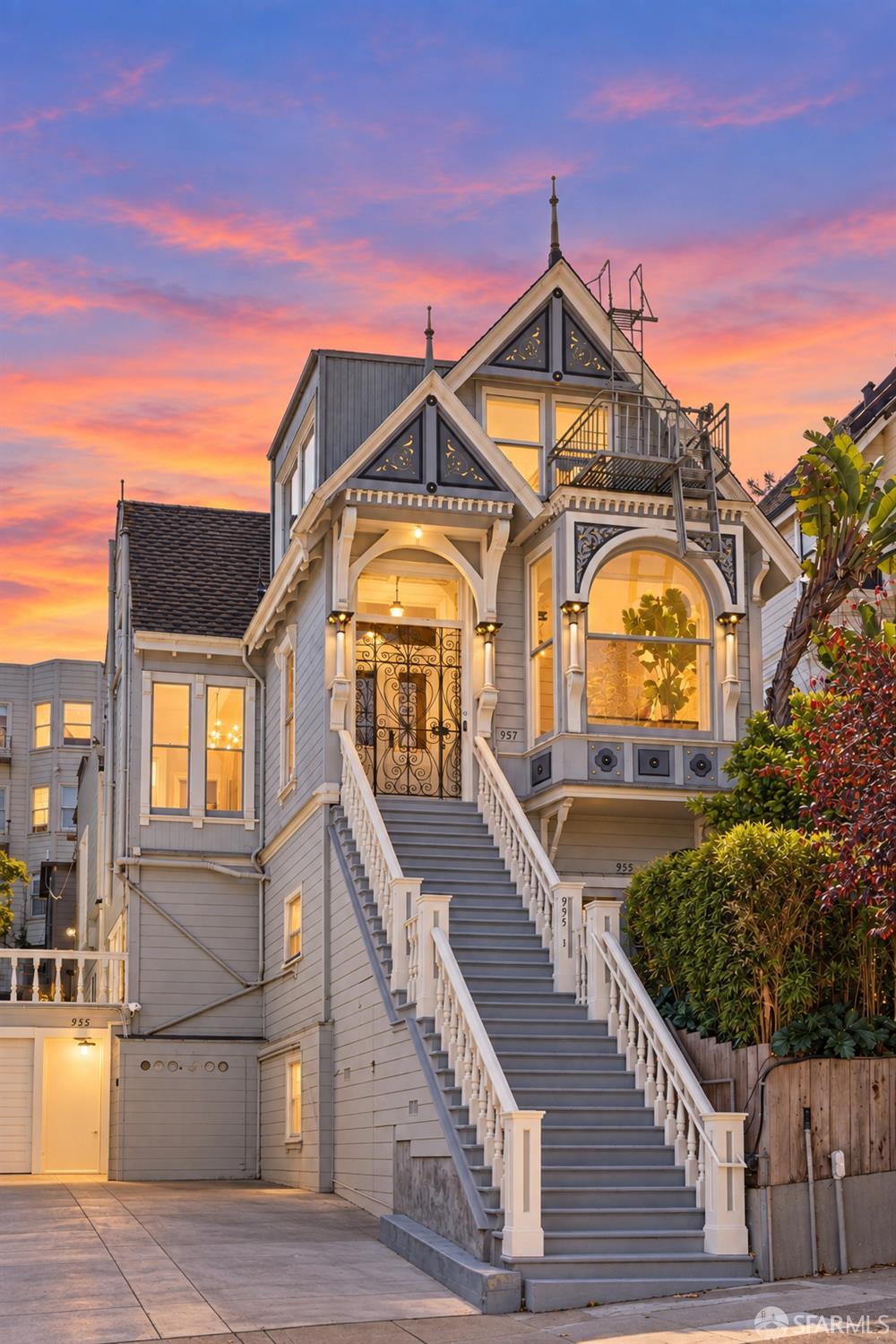
The homes are classic Queen Anne design, with steep gabled roofs, bay windows, detailed wood trim, and asymmetrical facades. What makes this block famous is where it sits. The homes run down a slope facing east, so from the park's lawn you see 19th-century wooden houses in the foreground and downtown's glass towers behind them. That contrast shows up in films like Invasion of the Body Snatchers and Five Easy Pieces, and most famously in the opening credits of Full House.
For residents, it's worth knowing that these are private homes, and the attention they get affects daily life on that stretch of Steiner. Tour buses, photo shoots, and steady foot traffic are normal on the east side of the park, especially on sunny weekends. Homes a few blocks west or north share the same architecture and historic protections with almost none of the crowds. That difference matters when you choose a block.
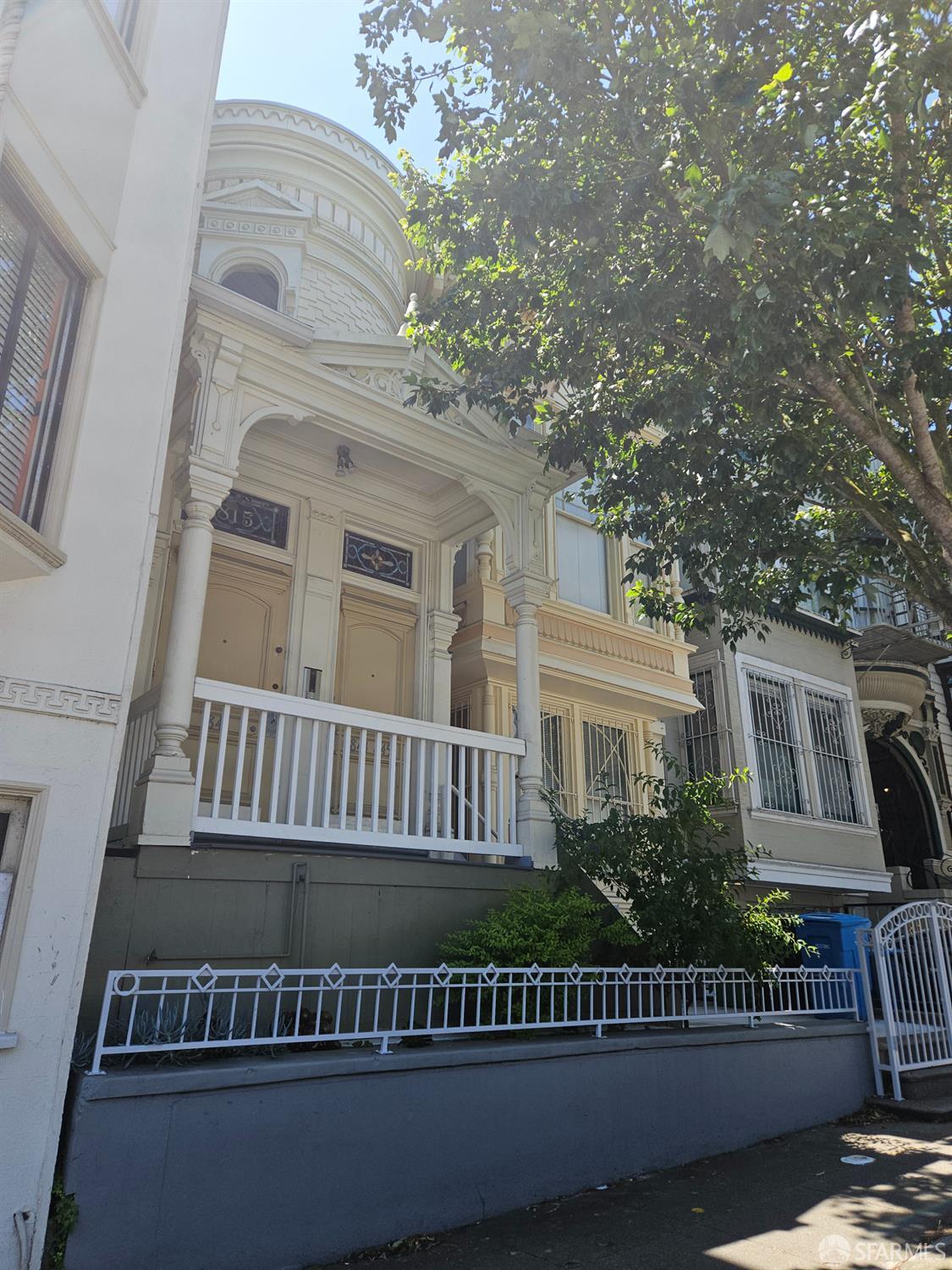
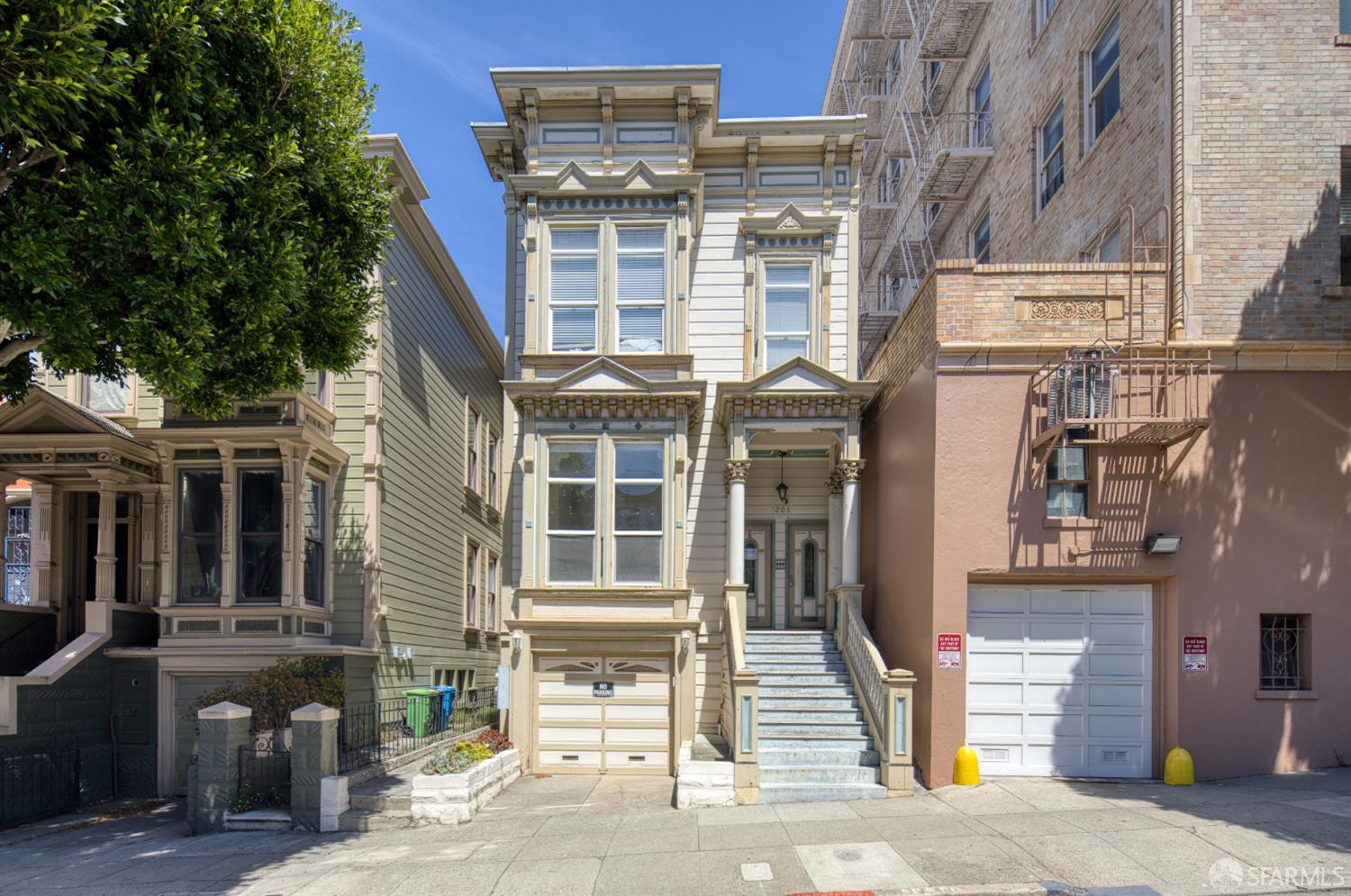
The historic district works like an open-air timeline of San Francisco residential design from the 1870s through the 1910s. Knowing the styles helps you read a listing, judge a home's condition and originality, and understand what buyers will pay extra for.
Style | Era | How to Recognize It |
|---|---|---|
Italianate | 1860s–1880s | Flat roofline behind a tall, heavily bracketed cornice; tall, narrow windows, often with arched or rounded tops; formal, symmetrical feel |
Stick / Eastlake | 1880s–1890s | Squared bay windows, vertical and angular lines, applied wood "stick work," carved and spindled ornament |
Queen Anne | 1890s–1900s | Asymmetrical facades, steep gables, corner towers or turrets, round bays, the most elaborate trim of any Victorian style |
Edwardian | 1901–1910s | Cleaner lines, restrained classical detailing, often built as multi-unit flats after the 1906 earthquake |
Queen Anne homes get most of the attention, but the Italianate and Stick-style buildings are often the best-preserved examples. One well-known home is the Westerfeld House at the corner of Fulton and Scott, a large Italianate-Stick home from the late 1880s that is one of the neighborhood's most photographed buildings after Postcard Row. Edwardian flats fill in many blocks toward the edges of the district. Their larger floor plans and more rectangular layouts often convert more easily into modern condos than the ornate Victorians do.
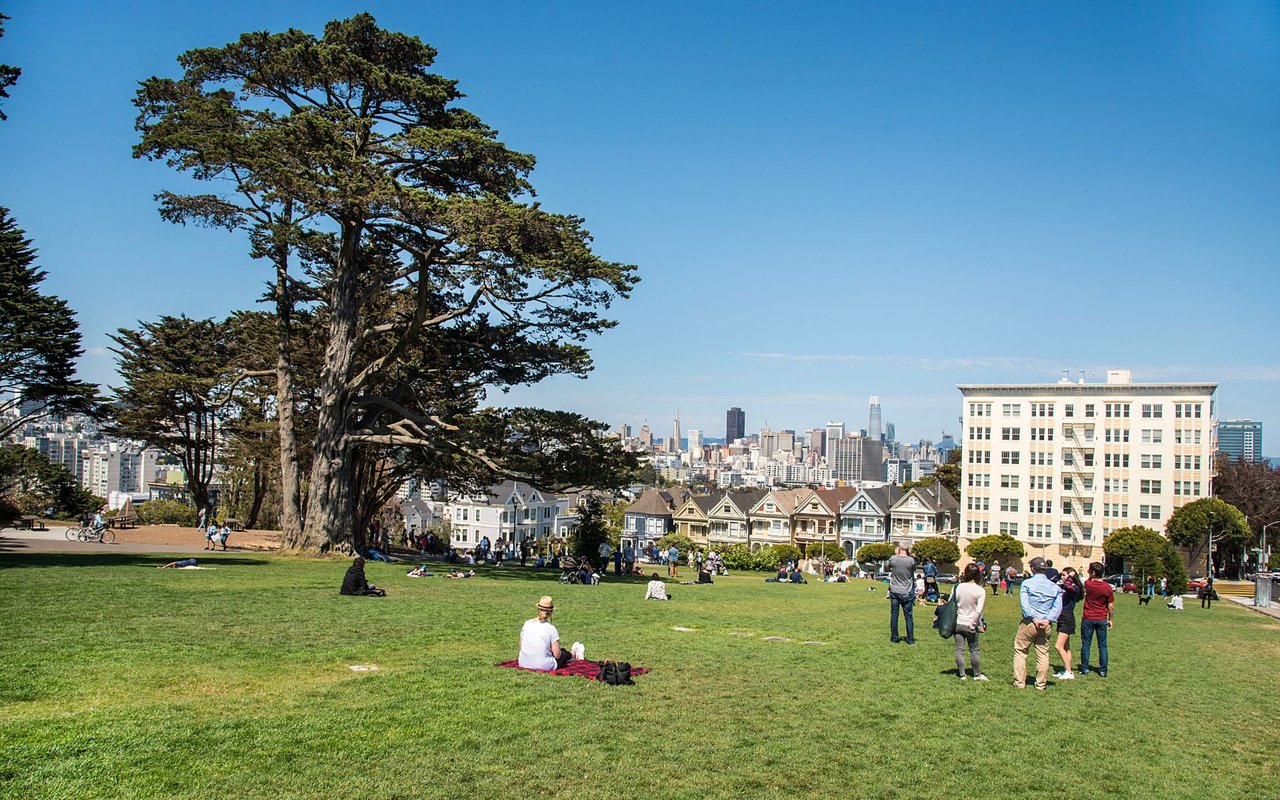
Alamo Square Park covers about 12.7 acres on top of the hill. It is bounded by Fulton Street to the north, Steiner Street to the east, Hayes Street to the south, and Scott Street to the west. It is one of the city's most visited parks for tourists, and for residents it serves as a shared front lawn, dog run, and meeting place.
The park has two sides. The east slope facing Steiner is where visitors gather for the classic Postcard Row photo, and it can be busy from late morning through sunset. The west side and the interior are where neighbors spend their time. There is a popular off-leash dog area on the western half, a children's playground, a tennis court, and wide lawns that fill up with picnics on warm afternoons. A major renovation in the mid-2010s improved the pathways, irrigation, and restrooms, and the park has been in noticeably better shape since.
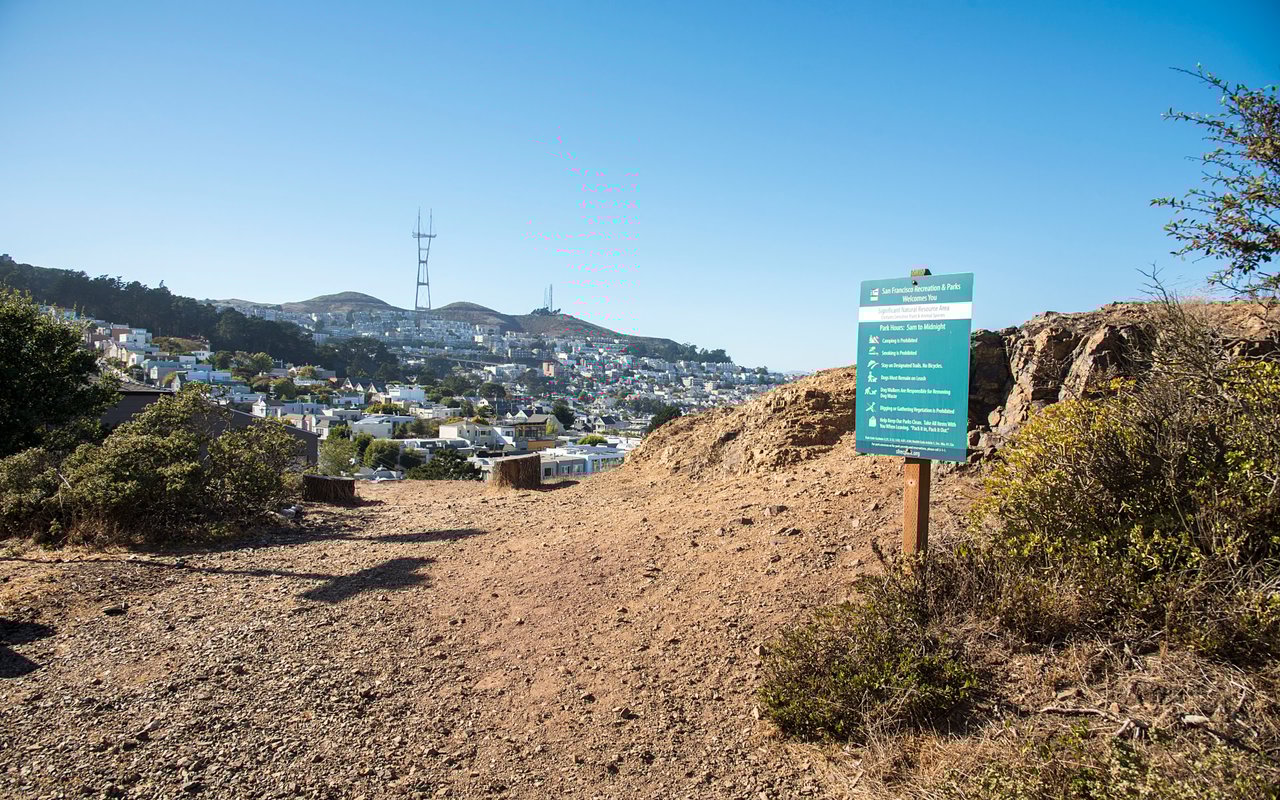
The views are the part residents rarely get tired of. From the summit on a clear day, you can see downtown, the Bay Bridge, Sutro Tower, and sometimes the Golden Gate Bridge to the north. Homes with direct park frontage or clear sightlines over the park consistently sell at the top of the neighborhood's price range.
Alamo Square is a small, tightly held, high-demand market. Because the neighborhood is a protected historic district, new construction is essentially nonexistent. Almost every sale is an existing home competing for buyers who want period character in a central location.
As a general benchmark, the overall median sale price has been around $2.2 million, and price per square foot typically falls between about $900 and $1,100. Treat these numbers as directional rather than fixed. Alamo Square's sales volume is small, so a single quarter with several large single-family sales can push the median well above a quarter dominated by condos and TICs. Price per square foot also varies depending on how much original detail a home retains and how well it has been updated.
Three trends consistently shape pricing:
Original detail commands a premium. Homes with intact pocket doors, stained glass, original wainscoting, plaster moldings, and restored facade woodwork regularly outsell comparable homes that were stripped or heavily modernized. Buyers here want the character, and they pay for it.
Move-in-ready homes get the most competition. Exterior work in the historic district requires city review, and older systems are expensive to update. Many buyers would rather pay more for a home where the seismic, electrical, and plumbing work is already finished. Well-priced turnkey homes often draw multiple offers and sell above list price.
Outdoor space and views are worth a lot. The hillside layout means some homes, particularly on the north and west slopes, have private rear gardens, walk-out decks, or clear views of the skyline or park. These features reliably push a home into the top price tier.
Most Alamo Square inventory falls into four categories. Each one suits a different kind of buyer.
Property Type | Typical Buyer | Approximate Price Range |
|---|---|---|
Tenancy-in-Common (TIC) | First-time buyers looking for the most affordable way into the neighborhood | $750K – $1.2M |
Condominium flats | Buyers who want Victorian or Edwardian character without whole-house maintenance | $1.1M – $1.8M |
Multi-family buildings (2–4 units) | Investors, or owner-occupants who want rental income | $2.2M – $4M+ |
Single-family Victorians | Buyers who want a full historic home, often near the park | $2.5M – $5M+ |
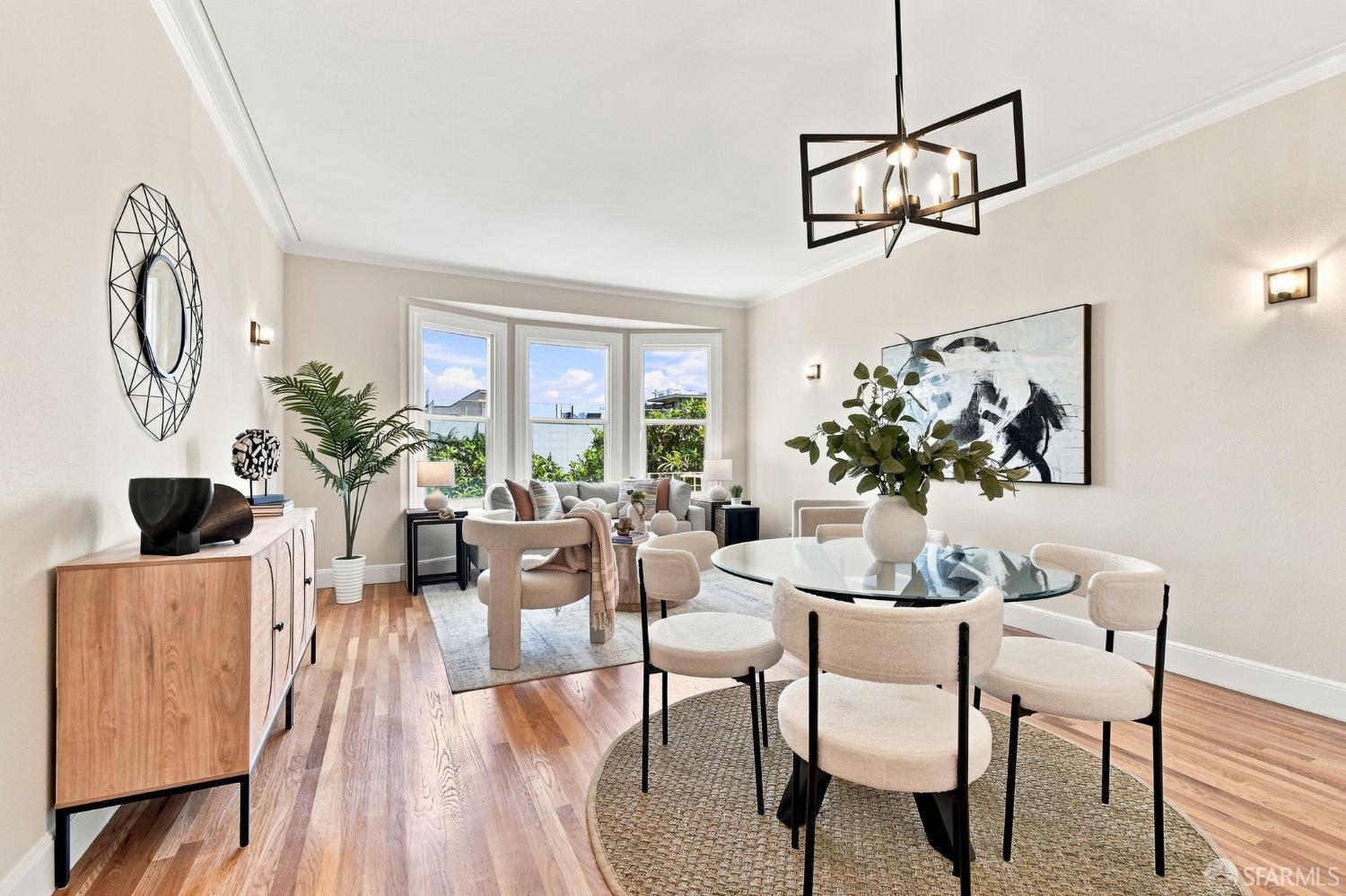
Condominium flats are usually full-floor units in converted Victorian or Edwardian buildings. The best ones keep high ceilings, crown molding, and original fireplaces while adding updated kitchens and baths. When you evaluate one, look at the HOA's finances and how the building has handled shared costs like exterior painting and seismic work, because those costs are significant in older buildings.
TICs offer the lowest entry price, but they come with fractional ownership, specialized loans, and a group agreement with co-owners. They can be an excellent option for the right buyer, and they reward careful review of the TIC agreement and the building's condo conversion prospects.
Multi-family buildings are common here because many large Victorians were divided into flats decades ago. Living in one unit and renting the others can help offset carrying costs. Rent control and tenant protections under San Francisco law make it important to understand a building's occupancy status before you commit.
Single-family Victorians are the neighborhood's top tier. Homes that are restored, updated, and close to the park are the most sought-after properties in Alamo Square.
Buying in a designated historic district involves a few considerations that don't come up in most San Francisco neighborhoods. None of them should scare off a serious buyer, but all of them should be factored into your budget and timeline.
City review of exterior changes. Alamo Square is an Article 10 historic district under the San Francisco Planning Code. Changes to a building's exterior, including windows, rooflines, entries, ornamental woodwork, and additions, generally require review by the Planning Department and, for larger projects, the Historic Preservation Commission. Original wood sash windows are typically expected to be repaired rather than replaced. When replacement is necessary, the new windows usually need to match the original in material and profile. Interior renovations are much less restricted, which is why so many homes here combine preserved exteriors with updated interiors. Paint color is generally not regulated, so the colorful tradition remains the owner's choice.
Seismic condition. Foundations and seismic bracing should be a priority in any inspection. Many older buildings have been retrofitted, and many have not. San Francisco's mandatory soft-story program applies to certain older wood-frame buildings with five or more units and ground-level openings like garages, so confirm compliance status for any building that falls into that category. For single-family homes and smaller buildings, a structural engineer's review is worth the cost.
Exterior wood maintenance. Ornate trim, siding, and shingles need regular painting and sealing, often every 7 to 10 years, to prevent dry rot. A full repaint on a detailed Queen Anne facade is a large project. Ask for the home's paint and repair history, and look closely at areas where water collects.
Older systems. Some homes still have knob-and-tube wiring or galvanized plumbing. Both can affect your ability to get homeowners insurance and usually need to be replaced. Get estimates during your inspection period so you can negotiate from real numbers.
The Mills Act. San Francisco participates in the Mills Act program, which can significantly reduce property taxes on qualifying historic properties in exchange for a long-term commitment to preservation and maintenance. For owners planning major restoration work, it can offset a meaningful share of the cost. Eligibility and application windows are set by the city, so review them early if this matters to your plans.
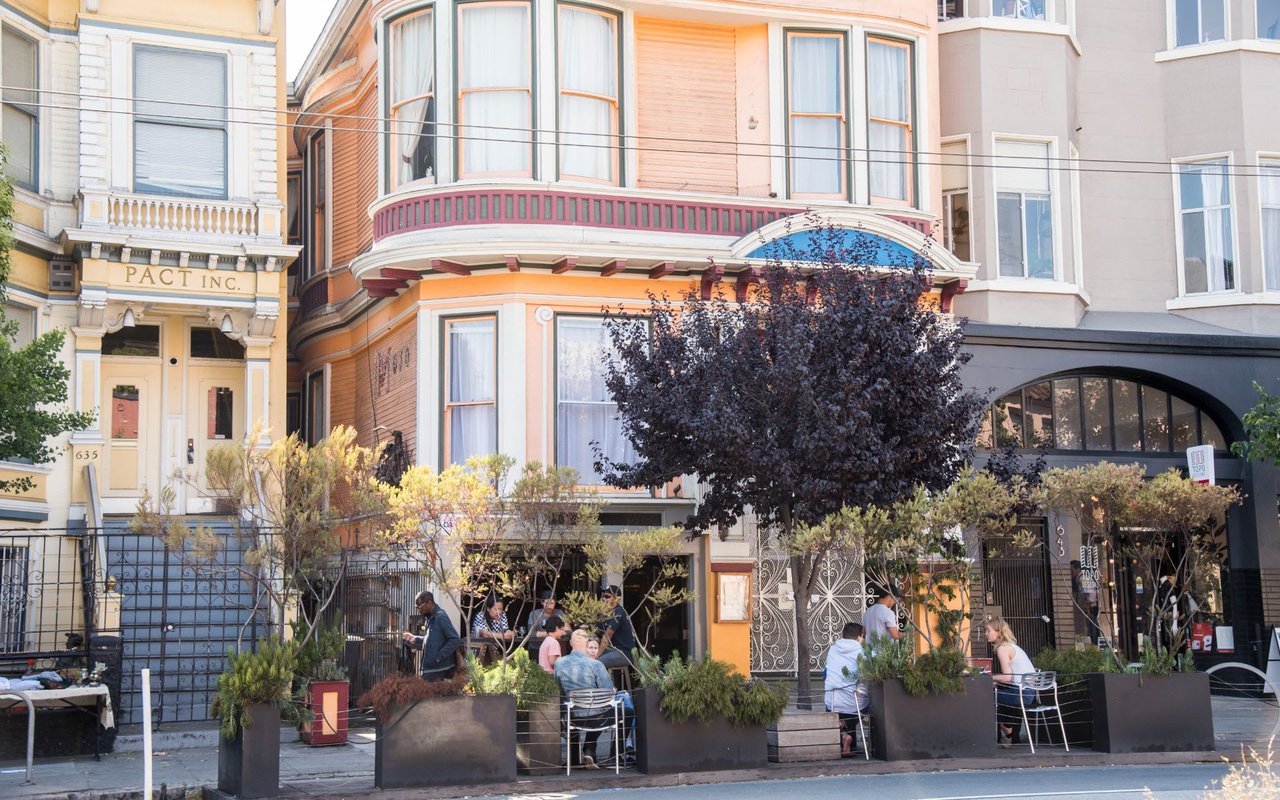
Alamo Square itself is almost entirely residential. That's by design, and it's a big part of why the streets are quiet. Residents eat and drink along the edges, with Divisadero Street to the west and Hayes Valley to the southeast.
On Divisadero, Nopa (560 Divisadero) is the local institution. Its wood-fired California cooking, late-night hours, and busy bar helped define the corridor and gave the surrounding neighborhood its name. A block north, Bar Crudo (655 Divisadero) is the neighborhood's go-to for oysters, crudo, and seafood chowder. 4505 Burgers & BBQ (705 Divisadero) serves smoked brisket, ribs, and burgers on a casual patio. For mornings, The Mill (736 Divisadero) is known for its thick-cut toast on house-baked bread and has become a regular stop for many residents.
In Hayes Valley, a Mano (450 Hayes) serves hand-made pasta and Italian dishes in a lively room. Souvla (517 Hayes) is a favorite for Greek rotisserie meats, salads, and frozen yogurt. For drinks, Anina (482 Hayes) is a tropical-themed cocktail bar with a large outdoor patio that's especially popular on sunny weekend afternoons.
Back on Divisadero, Madrone Art Bar (500 Divisadero) mixes rotating art exhibits with DJs and live music. It's one of the easiest walks from the park for a night out.
Alamo Square sits between two commercial streets with very different personalities, and most residents use both.
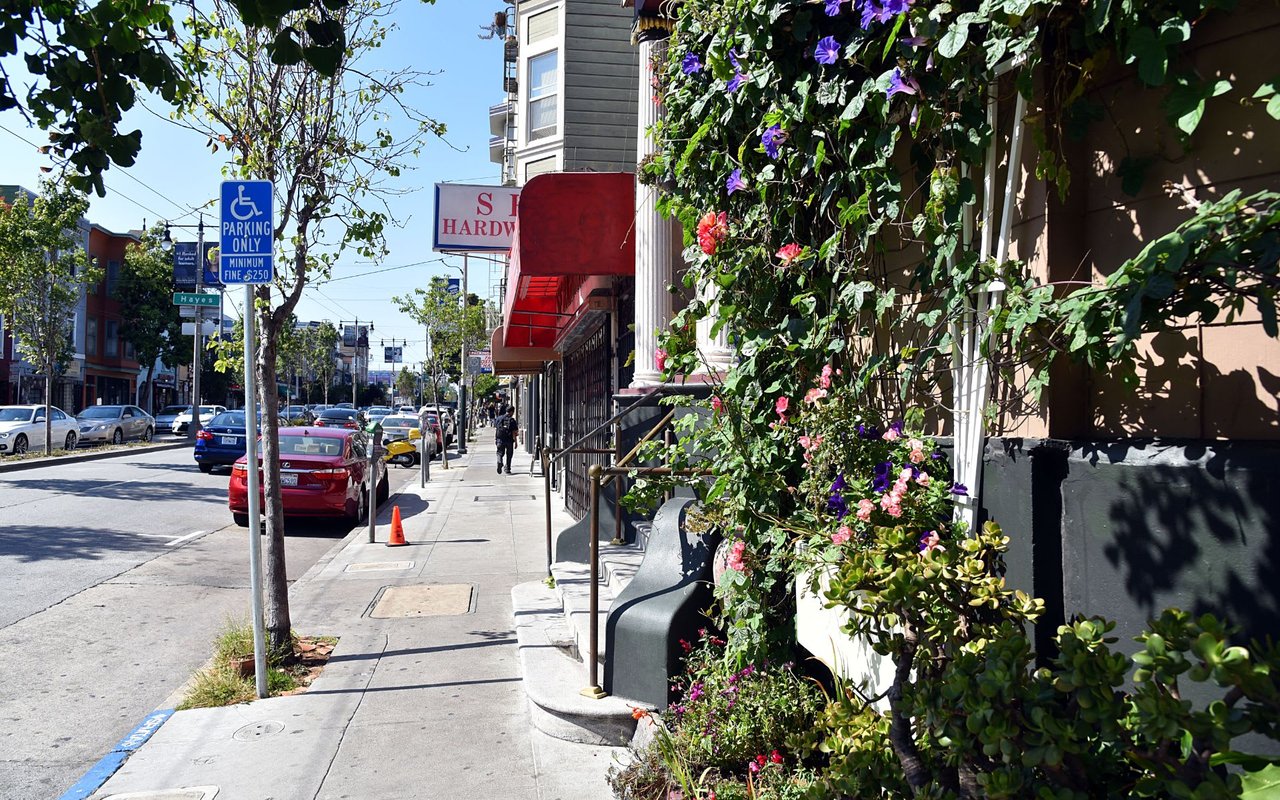
Divisadero is the everyday street. It's independent, relaxed, and neighborhood-focused, with coffee shops, casual restaurants, bars, and practical errands mixed together. Bi-Rite Market on Divisadero covers groceries with an excellent selection of local produce and prepared foods. For nightlife, The Independent (628 Divisadero) is one of San Francisco's best mid-sized music venues, booking touring indie, rock, and electronic acts in a space small enough that every show feels close. Neighborhood bars like Mini Bar make it easy to grab a drink without planning.
Fillmore Street to the east has a more polished feel. The lower Fillmore, around Geary Boulevard, is the historic Fillmore Jazz District and home to The Fillmore, the legendary concert hall that has hosted performers from Jimi Hendrix to today's touring headliners. Farther north, Upper Fillmore in Pacific Heights offers designer boutiques, beauty and skincare shops, home décor stores, and some of the city's more upscale dining. It's a longer walk or a short ride on the 22 Fillmore bus.
A simple way to think about it: Divisadero is where you go on a Tuesday night, and Fillmore is where you go when you're shopping for something specific or planning a night out.
Alamo Square is one of San Francisco's most walkable neighborhoods, with Walk Scores in the high 90s. Groceries, coffee, dining, and most daily errands are reachable on foot. The main catch is the hill. Almost every trip home ends with a climb, which residents either come to enjoy or learn to plan around.
Muni coverage is strong, and several lines connect the neighborhood in different directions.
Muni Line | Where It Runs | Why It Matters |
|---|---|---|
5 / 5R Fulton | McAllister and Fulton | Direct to Market Street and the Financial District, or west to Ocean Beach |
21 Hayes | Hayes Street | Straight through Hayes Valley to Civic Center BART and Muni Metro |
22 Fillmore | Fillmore Street | North to the Marina, south to the Mission and beyond |
24 Divisadero | Divisadero Street | North to Pacific Heights, south to the Castro and Noe Valley |
Downtown commutes on the 5R typically take about 15 to 20 minutes. The 21 Hayes gives the quickest route to BART at Civic Center for anyone heading to the East Bay or the airport.
For cyclists, the Wiggle is a well-known route that zigzags through the Lower Haight and Duboce Triangle to avoid the steepest hills. It sits just south of the neighborhood and connects riders to Market Street and the Panhandle.
For drivers, Fell and Oak Streets are one-way roads along the southern edge of the neighborhood. Heading west, they lead to Golden Gate Park and the Sunset. Heading east, they connect to the Central Freeway and US-101 for trips to the Peninsula and South Bay. Street parking falls under San Francisco's Residential Permit Parking program, which exempts residents from posted time limits. Confirm the permit area for any specific block with SFMTA before you buy. Expect parking to be tight near the park on sunny weekends, which makes a deeded garage space one of the most valuable features a home here can have.
San Francisco Unified School District assigns students through a choice-based process rather than strict neighborhood boundaries. Families should review SFUSD's current enrollment policies directly, because the district has been revising how it assigns elementary students.
Several public schools close to Alamo Square are frequently considered by local families. John Muir Elementary on Webster Street is the nearest public elementary. Rosa Parks Elementary in the Western Addition is known for its Japanese Bilingual Bicultural Program. At the high school level, Lowell High School is SFUSD's selective-admission school, while Galileo Academy of Science and Technology and Mission High School are popular comprehensive options within reach by Muni.
The area also has strong private and independent options. San Francisco Day School, a K–8 independent school on Masonic Avenue, is a short trip from the neighborhood. The Urban School of San Francisco in Haight-Ashbury is a well-regarded independent high school. Drew School in Pacific Heights and Sacred Heart Cathedral Preparatory on Cathedral Hill are both within an easy commute.
For the right buyer, Alamo Square is one of the most rewarding neighborhoods in San Francisco. It delivers on its reputation, but it asks more of homeowners than most neighborhoods do.
What residents love:
What to weigh carefully:
The buyers who are happiest in Alamo Square usually value architecture and walkability more than square footage or easy parking. They also go in with a clear understanding of what owning a historic home involves. If that sounds like you, few neighborhoods in the city offer more.
Buying in Alamo Square takes more than knowing the listings. It takes knowing which blocks are quiet and which are on the tour bus route, how a home's seismic and permit history affect its value, and how to compete for a well-priced Victorian that will draw multiple offers. The team at Nob Hill Compass has spent years helping clients buy and sell across San Francisco's historic neighborhoods, and we bring that experience to every conversation, whether you're comparing a TIC to a condo or planning a move into a single-family home near the park.
Agent Victoria Stewart Davis and the Nob Hill Compass team are glad to walk you through current inventory, recent sales, and what to expect as a buyer or seller in Alamo Square. Visit us at 1177 California Street, San Francisco, call 415-226-9387, or email [email protected] to start the conversation.
Alamo Square has 1,971 households, with an average household size of 2. Data provided by the U.S. Census Bureau. Here’s what the people living in Alamo Square do for work — and how long it takes them to get there. Data provided by the U.S. Census Bureau. 3,924 people call Alamo Square home. The population density is 68,181.773 and the largest age group is Data provided by the U.S. Census Bureau.
Total Population
Population Density Population Density This is the number of people per square mile in a neighborhood.
Median Age
Men vs Women
Population by Age Group
0-9 Years
10-17 Years
18-24 Years
25-64 Years
65-74 Years
75+ Years
Education Level
Total Households
Average Household Size
Average individual Income
Households with Children
With Children:
Without Children:
Marital Status
Blue vs White Collar Workers
Blue Collar:
White Collar:
There's plenty to do around Alamo Square, including shopping, dining, nightlife, parks, and more. Data provided by Walk Score and Yelp.
Explore popular things to do in the area, including International Chubby Runners Club of San Francisco, and Electric Fitness.
| Name | Category | Distance | Reviews |
Ratings by
Yelp
|
|---|---|---|---|---|
| Active | 0.11 miles | 0 reviews | 0/5 stars | |
| Active | 0.19 miles | 0 reviews | 0/5 stars | |
|
|
||||
|
|
||||
|
|
||||
|
|
||||
|
|
||||
|
|