By Nob Hill Compass
Moving to San Francisco is one of the most exciting decisions you can make, and one of the most logistically demanding. This is a city that rewards people who understand how it works before they arrive: distinct neighbourhoods, famous microclimates, and practicalities that make moving into a San Francisco building different from moving anywhere else. Here is what every new arrival needs to know.
Key Takeaways
- San Francisco's hills, narrow streets, and building logistics make moving day uniquely complex
- PG&E handles electricity and gas for most SF addresses
- San Francisco's microclimates are consequential — western neighbourhoods like the Sunset and Richmond are significantly cooler and foggier than sunnier areas like the Mission and Noe Valley
- California gives you 10 days to update your driver's licence and 60 days to register your vehicle after establishing residency
Planning Your Move to San Francisco
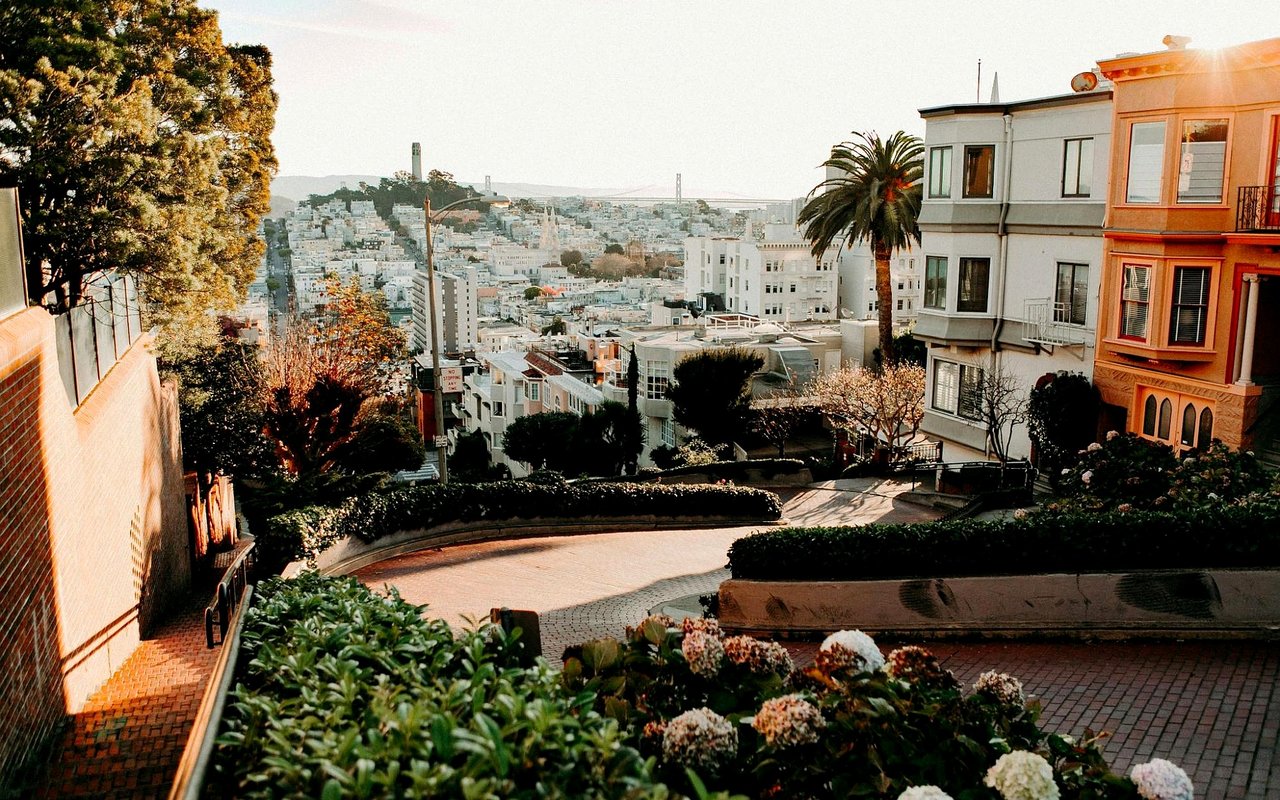
Moving into a San Francisco building requires more advance planning than almost any other city. Hills with grades of 20 to 30 percent, narrow streets, and limited curb space mean that parking a moving truck requires a temporary no-parking permit from the SFMTA, requested well ahead of move-in day. Building elevator reservations are essential in most multi-unit buildings.
Coordinate with movers at least four to six weeks in advance and get quotes from companies with specific San Francisco experience. An experienced local mover knows which streets are one-way, which buildings require elevator coordination, and how to stage a truck on a steep hill.
Coordinate with movers at least four to six weeks in advance and get quotes from companies with specific San Francisco experience. An experienced local mover knows which streets are one-way, which buildings require elevator coordination, and how to stage a truck on a steep hill.
What to Arrange Before Moving Day in San Francisco
- Moving truck permit: the SFMTA issues temporary no-parking permits to stage a moving truck
- Building elevator reservation: most multi-unit SF buildings require elevator reservations for moves
- Professional movers with SF experience: local knowledge of one-way streets, hill grades, and building access rules makes a material difference in how smoothly the day goes
- Start time: 7 or 8 AM maximizes your usable window before traffic, building activity, and the afternoon marine layer work against you
Setting Up Utilities and Getting Oriented
For most San Francisco addresses, PG&E handles electricity and gas. The SFPUC manages water and sewer; if you are a new owner rather than a renter, confirm what accounts need to be established before closing. Internet books up, so make sure to request installation several days before move-in.
California's residency requirements catch many new arrivals off guard. You have 10 days from establishing residency to update your driver's licence, and 60 days to register your vehicle with the California DMV. Residential parking permit zones cover most SF neighbourhoods; apply for the appropriate SFMTA permit promptly after move-in.
California's residency requirements catch many new arrivals off guard. You have 10 days from establishing residency to update your driver's licence, and 60 days to register your vehicle with the California DMV. Residential parking permit zones cover most SF neighbourhoods; apply for the appropriate SFMTA permit promptly after move-in.
Essential Setup Steps After Moving Into Your San Francisco Home
- PG&E service: set up electricity and gas before move-in so service is active on arrival
- Internet installation: book several days before move-in
- California DMV: update your driver's licence within 10 days and register your vehicle within 60 days of establishing residency
- Residential parking permit: apply for your SFMTA block permit promptly after move-in
Understanding San Francisco's Neighbourhoods and Microclimates
San Francisco's microclimates are a consequential feature of how life here feels. The western neighbourhoods, particularly the Sunset and Richmond, sit in the path of the marine layer rolling in from the Pacific. These areas are significantly cooler and foggier than the rest of the city, particularly in summer, when Karl the Fog can park over the western half for days while the Mission and Noe Valley enjoy warm sunshine.
Pacific Heights, Nob Hill, Presidio Heights, and the Marina each have their own character, and the neighbourhood that suits one buyer may be entirely wrong for another. Helping clients understand not just the real estate but the day-to-day experience of each neighbourhood is a core part of what we do. If you are still deciding where in San Francisco to put down roots, that is a conversation we are glad to have.
Pacific Heights, Nob Hill, Presidio Heights, and the Marina each have their own character, and the neighbourhood that suits one buyer may be entirely wrong for another. Helping clients understand not just the real estate but the day-to-day experience of each neighbourhood is a core part of what we do. If you are still deciding where in San Francisco to put down roots, that is a conversation we are glad to have.
San Francisco Neighbourhood Character at a Glance
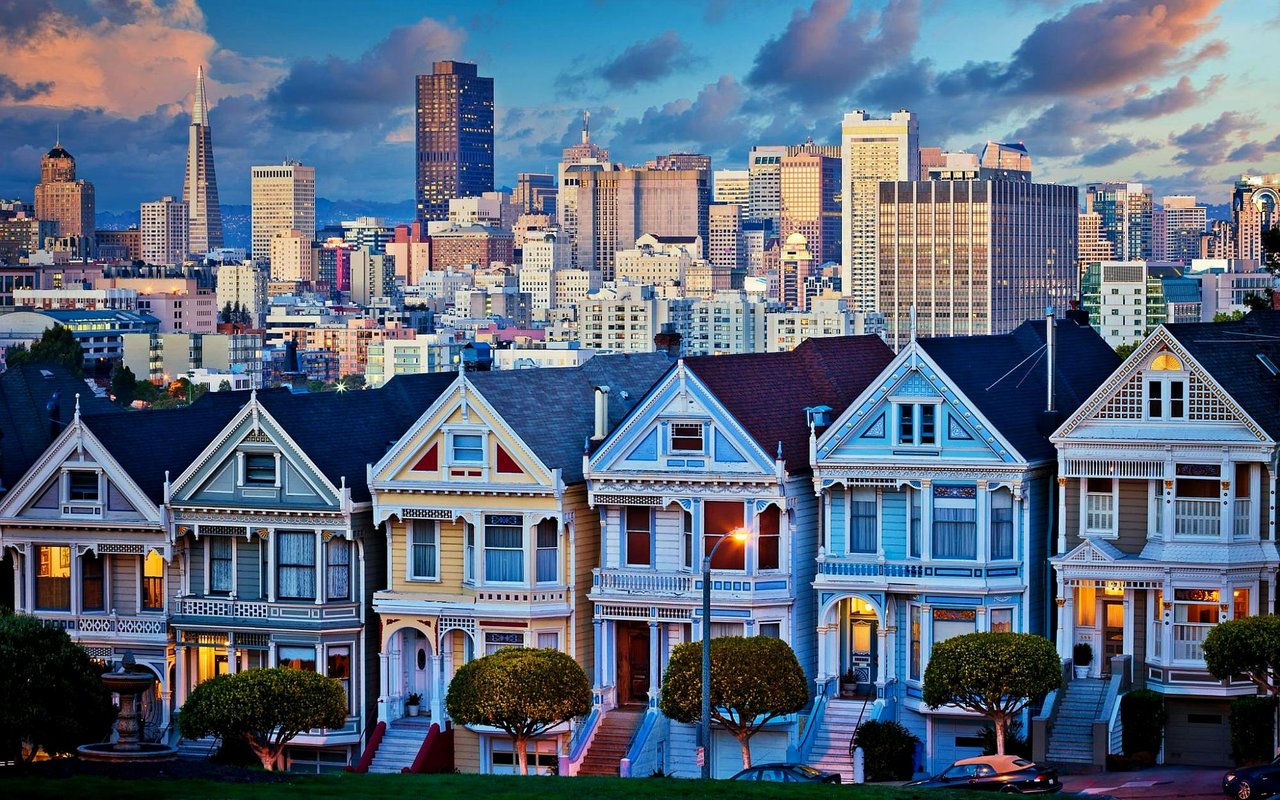
- Pacific Heights and Presidio Heights: grand Victorian and Edwardian architecture, proximity to the Presidio and the Bay, some of the city's most desirable addresses
- Nob Hill: cable cars run through it, views extend across the Bay, and the architectural stock ranges from grand pre-war buildings to classic San Francisco flats
- Noe Valley and the Mission: sunnier and warmer than the western half of the city
- Richmond and Sunset Districts: foggier and quieter, with strong community identities and easy proximity to Golden Gate Park and Ocean Beach
Getting Around San Francisco
San Francisco's transit system is one of the city's advantages. For many residents, it means not needing a car. MUNI operates buses, light rail, streetcars, and cable cars; a monthly pass runs approximately $85 to $100 on a Clipper card, which works across BART, Caltrain, and most Bay Area agencies. BART connects San Francisco to the East Bay, the Peninsula, and SFO.
If you bring a car, think of it as a tool for the broader Bay Area rather than daily city transportation. Parking is expensive and heavily regulated, so many SF residents park for the week and use transit, then take the car for weekend trips.
If you bring a car, think of it as a tool for the broader Bay Area rather than daily city transportation. Parking is expensive and heavily regulated, so many SF residents park for the week and use transit, then take the car for weekend trips.
Getting Around the City and the Bay Area
- Clipper card: the universal transit card for MUNI, BART, Caltrain, and most Bay Area agencies
- MUNI monthly pass: approximately $85 to $100 for unlimited city transit
- BART: connects San Francisco to the East Bay, SFO, and south toward Millbrae
- Car use in SF: most useful for weekend trips beyond the city
FAQs
When is the best time of year to move to San Francisco?
September and October are the most pleasant months, when the marine layer retreats, temperatures warm, and the city experiences what locals call its true summer. Spring is reasonable, though windier. July and August can be cooler and foggier than newcomers expect.
Should I rent first or buy when moving to San Francisco?
For most newcomers, renting first is a sound approach, as gives you time to learn the city from the inside before committing to a purchase. San Francisco's neighbourhoods have distinct characters and microclimates, and spending six to twelve months here before buying gives you the knowledge to make a confident decision. The right answer depends on your timeline and financial position.
What do new San Francisco residents most commonly overlook when moving in?
The moving truck permit is the most consistently overlooked step, and arriving without it can derail the day. The 10-day driver's licence update window also catches people off guard. And new arrivals frequently underestimate how dramatically San Francisco's weather varies by neighbourhood, and how much that shapes daily life once you are settled.
Partner with Nob Hill Compass
Whether you have just closed on your San Francisco home or are still deciding where to put down roots, we know this city well and are glad to share what we know.
Reach out at Nob Hill Compass to connect with our team.
Reach out at Nob Hill Compass to connect with our team.