Understanding the complex dynamics of real estate pricing requires examining a range of variables, from location and condition to architectural style and neighborhood amenities. One factor that consistently plays a critical role is a property’s age. The relationship between a home’s construction year and its market performance is nuanced, and buyers and sellers alike benefit from grasping these subtleties. In exploring the home age and market value relationship, consumers can better anticipate how a property will fare on the market and what strategic decisions may strengthen their position.
New Construction: Premium Pricing and Contemporary Appeal
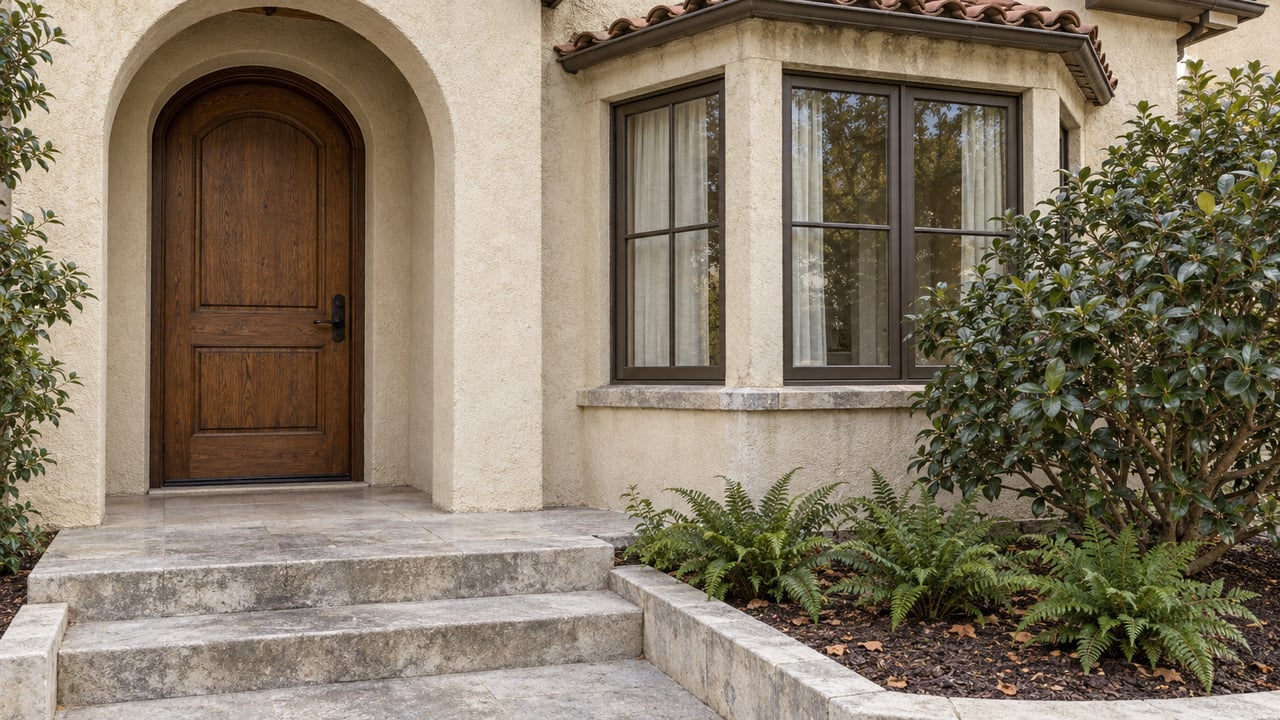
Homes built within the last decade generally command higher prices due to modern amenities and fewer anticipated repairs. These properties often feature open floor plans, current design trends, energy-efficient windows and appliances, and higher-grade insulation. Buyers are attracted to the “move-in ready” convenience, which can justify a premium price tag.
Additionally, newer homes are typically more compliant with current safety codes and environmental regulations. Electrical systems, plumbing, foundation work, and roofing materials are often under warranty or expected to last through many more years of use. This translates into lower near-term maintenance costs for homeowners, a factor that strengthens the home’s overall market value.
Despite these advantages, new construction does not always guarantee the highest long-term appreciation. Market value depends heavily on local demand, builder reputation, and surrounding development. Still, at the point of sale, newer properties generally benefit from strong buyer interest and competitive pricing.
Additionally, newer homes are typically more compliant with current safety codes and environmental regulations. Electrical systems, plumbing, foundation work, and roofing materials are often under warranty or expected to last through many more years of use. This translates into lower near-term maintenance costs for homeowners, a factor that strengthens the home’s overall market value.
Despite these advantages, new construction does not always guarantee the highest long-term appreciation. Market value depends heavily on local demand, builder reputation, and surrounding development. Still, at the point of sale, newer properties generally benefit from strong buyer interest and competitive pricing.
Mid-Century Homes: Balancing Deficits and Desirability
Homes built between the 1950s and early 2000s occupy a middle ground that presents both opportunities and challenges. These properties may feature solid construction and established neighborhoods with mature landscaping, which many buyers appreciate. They often come with more generous lot sizes compared to newly developed communities.
However, mid-century homes frequently require updates to remain competitive. Kitchens, bathrooms, HVAC systems, and roofing may be approaching the end of their lifespan if not already replaced. Outdated layouts — such as compartmentalized rooms or smaller primary suites — can also affect market value.
Still, these homes can offer excellent returns when thoughtfully renovated. Strategic upgrades, such as replacing windows for energy efficiency or refreshing outdated interiors, can significantly improve a property’s desirability and pricing power. For many buyers, the combination of a stable neighborhood and a well-maintained mid-century home strikes the right balance between cost and character.
However, mid-century homes frequently require updates to remain competitive. Kitchens, bathrooms, HVAC systems, and roofing may be approaching the end of their lifespan if not already replaced. Outdated layouts — such as compartmentalized rooms or smaller primary suites — can also affect market value.
Still, these homes can offer excellent returns when thoughtfully renovated. Strategic upgrades, such as replacing windows for energy efficiency or refreshing outdated interiors, can significantly improve a property’s desirability and pricing power. For many buyers, the combination of a stable neighborhood and a well-maintained mid-century home strikes the right balance between cost and character.
Historic Homes: Charm, Character, and Considerations
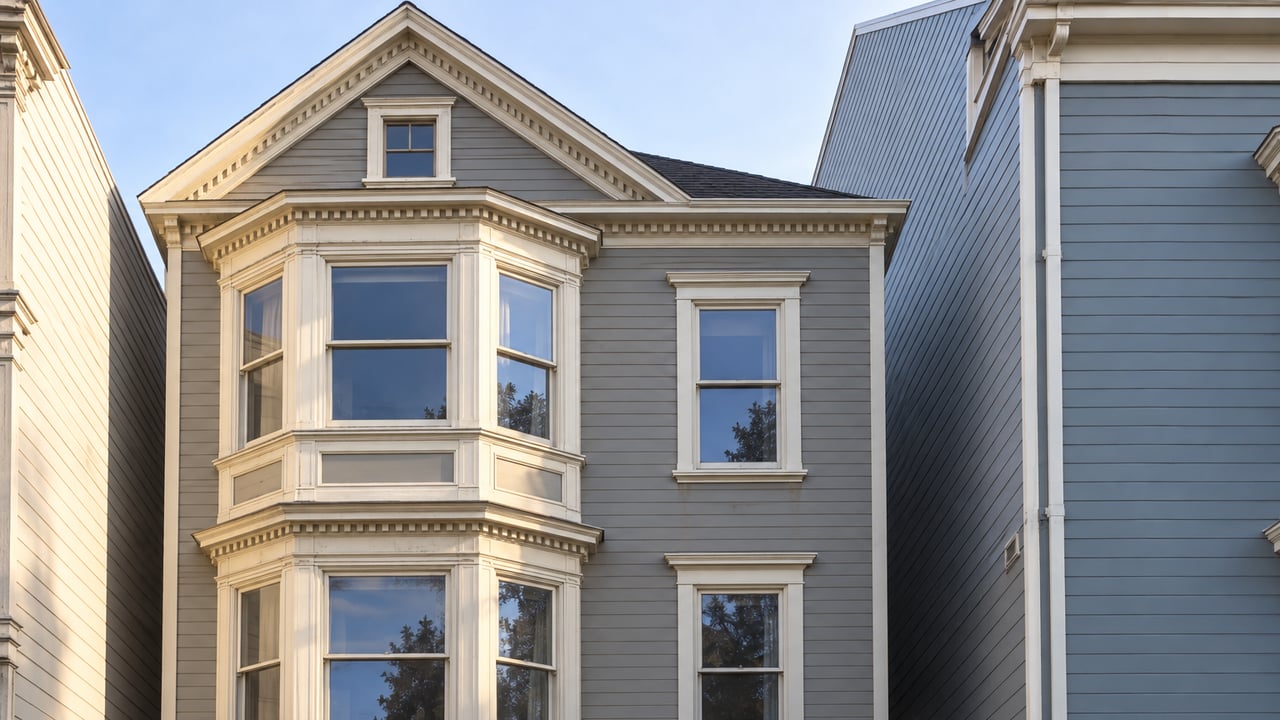
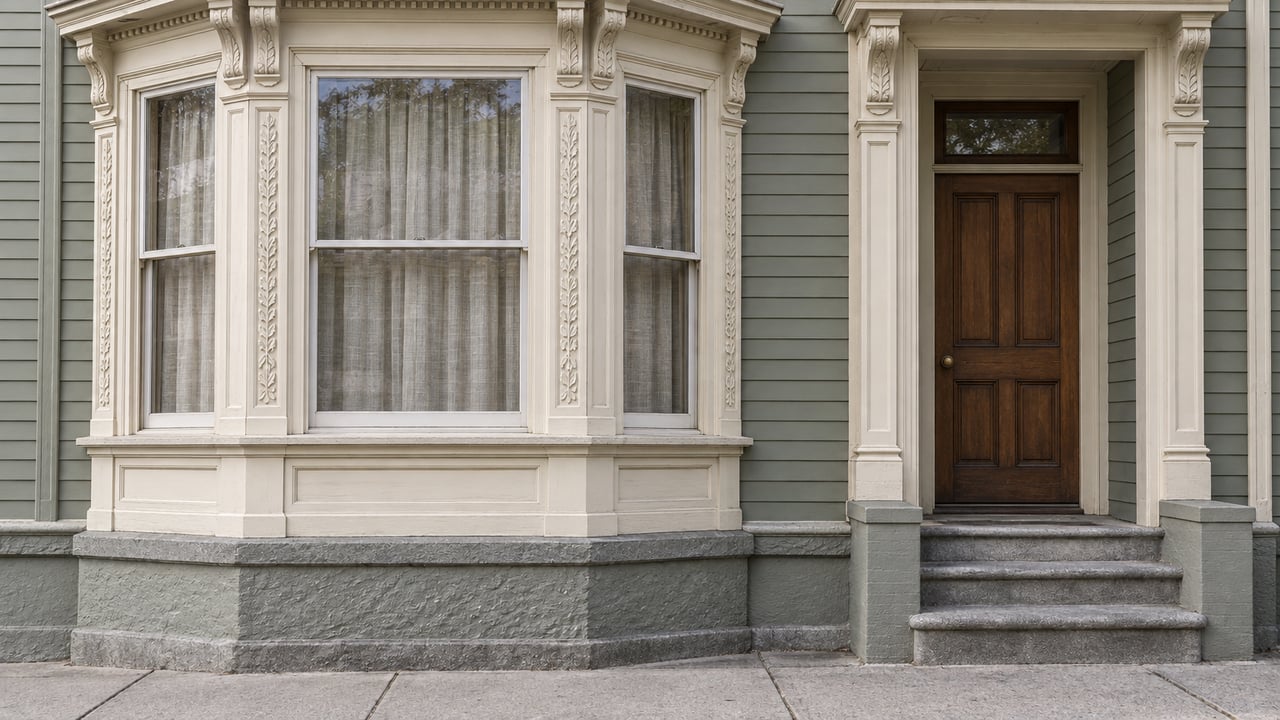
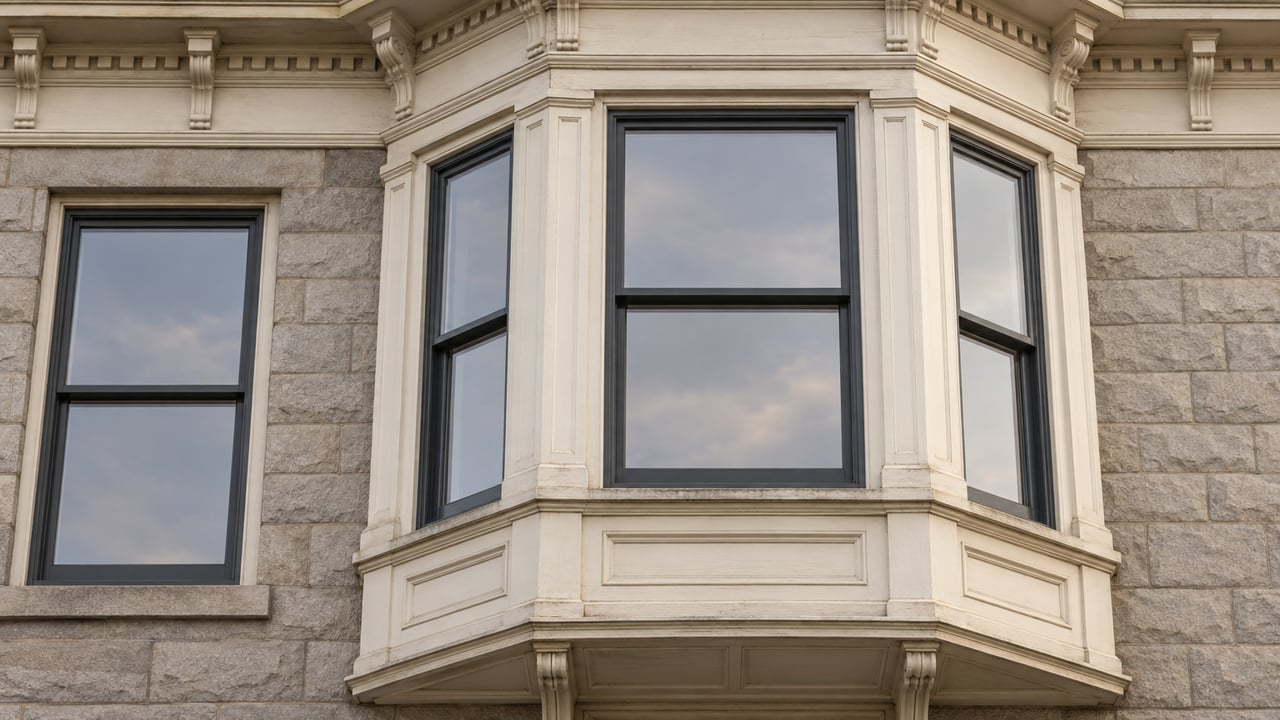
Older homes with historical significance often attract a passionate subset of buyers who seek distinctive architecture and a sense of heritage. These properties may include features such as original hardwood floors, ornate moldings, unique floor plans, and craftsmanship rarely replicated in modern construction.
However, owning a historic home comes with unique considerations. Maintenance costs can be higher due to aging infrastructure, specialized materials, or preservation requirements. Insurance premiums may also differ due to structural age or location within designated historical districts.
Despite these challenges, historical properties can achieve strong market values if they have been properly restored and maintained. For buyers who value aesthetics and legacy, these homes often hold enduring appeal. This demonstrates once again that the home age and market value relationship is guided as much by buyer preference as by property characteristics.
However, owning a historic home comes with unique considerations. Maintenance costs can be higher due to aging infrastructure, specialized materials, or preservation requirements. Insurance premiums may also differ due to structural age or location within designated historical districts.
Despite these challenges, historical properties can achieve strong market values if they have been properly restored and maintained. For buyers who value aesthetics and legacy, these homes often hold enduring appeal. This demonstrates once again that the home age and market value relationship is guided as much by buyer preference as by property characteristics.
Renovation and Its Influence on Market Value
Regardless of a home’s age, renovations play a crucial role in preserving or enhancing value. Thoughtfully planned updates can significantly shift how a property competes within its age category. Renovations to kitchens and bathrooms typically offer the highest return on investment, but improvements to energy efficiency, structural integrity, and curb appeal also have meaningful impact.
It is important to distinguish between cosmetic updates and major structural changes. While cosmetic updates can increase visual appeal and marketability, structural upgrades — such as replacing outdated electrical panels or addressing foundational issues — ensure long-term stability and safety. For properties on the older end of the spectrum, these upgrades can be vital to maintaining or increasing market value.
It is important to distinguish between cosmetic updates and major structural changes. While cosmetic updates can increase visual appeal and marketability, structural upgrades — such as replacing outdated electrical panels or addressing foundational issues — ensure long-term stability and safety. For properties on the older end of the spectrum, these upgrades can be vital to maintaining or increasing market value.
Location and Lifestyle Trends in Pricing
The desirability of a home’s location can either amplify or neutralize the effects of age. In highly sought-after neighborhoods, even older homes with limited updates may command premium prices. Conversely, in areas with weaker demand, newer homes may still face pricing pressure.
Lifestyle trends also influence this dynamic. For example, today’s buyers often prioritize convenience, connectivity, energy efficiency, and open layouts. Homes that align with these preferences — regardless of age — tend to attract stronger offers. Meanwhile, properties that lack alignment with modern expectations may require price adjustments or targeted renovations to remain competitive.
Lifestyle trends also influence this dynamic. For example, today’s buyers often prioritize convenience, connectivity, energy efficiency, and open layouts. Homes that align with these preferences — regardless of age — tend to attract stronger offers. Meanwhile, properties that lack alignment with modern expectations may require price adjustments or targeted renovations to remain competitive.
What Buyers and Sellers Should Consider
For buyers, understanding how home age influences market value helps shape realistic expectations. Newer homes may offer convenience and efficiency, while older homes may provide charm and the potential for increased value through renovation. Buyers should balance lifestyle preferences with long-term cost considerations.
For sellers, accurately positioning a home within its age category is essential. Highlighting upgrades, showcasing unique features, and addressing maintenance issues ahead of listing can significantly strengthen a property’s market performance. Sellers with older homes may benefit from pre-listing inspections to identify improvements that enhance buyer confidence.
For sellers, accurately positioning a home within its age category is essential. Highlighting upgrades, showcasing unique features, and addressing maintenance issues ahead of listing can significantly strengthen a property’s market performance. Sellers with older homes may benefit from pre-listing inspections to identify improvements that enhance buyer confidence.
Learn More with Nob Hill Compass
The relationship between home age and market value is multifaceted, influenced not just by the year a home was built but by maintenance, location, buyer preferences, and market conditions. Whether a property is new, mid-century, or historic, each category offers distinct advantages and considerations that affect value.
For personalized guidance about buying or selling a home — and how age may impact your property’s performance — readers are encouraged to reach out to Nob Hill Compass for expert support and insight.
For personalized guidance about buying or selling a home — and how age may impact your property’s performance — readers are encouraged to reach out to Nob Hill Compass for expert support and insight.